


Ad
Best Air Purifiers Under ₹30,000 in India
Filtersclear all
- Under 30 sq ft (4)
- Under 60 sq ft (5)
- Under 120 sq ft (5)
- Under 240 sq ft (6)
- Under 480 sq ft (9)
- Under 960 sq ft (15)
- Under 1920 sq ft (16)
- Under 3840 sq ft (16)
Ad

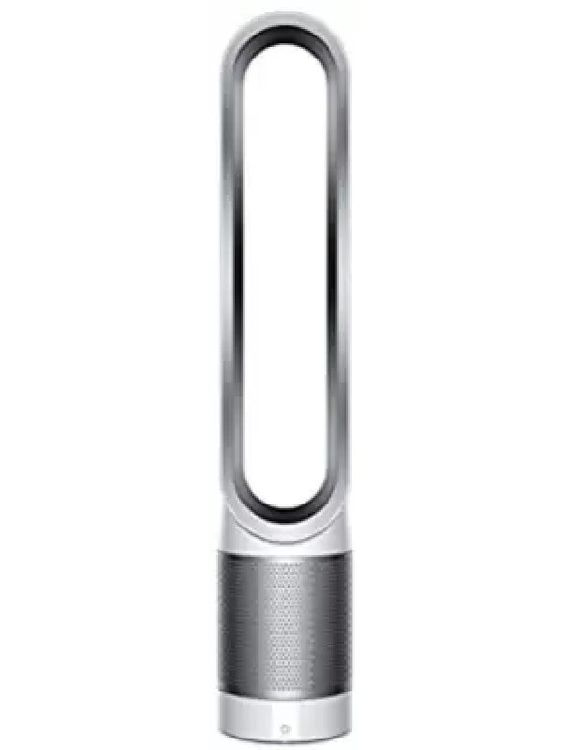
Dyson Pure Cool Link Tower Air Purifier
- ABS Plastic Material
- 450 sqft Coverage Area
- Suitable for: Medium size room
- Remote, Mobile App Control Type ₹29,900
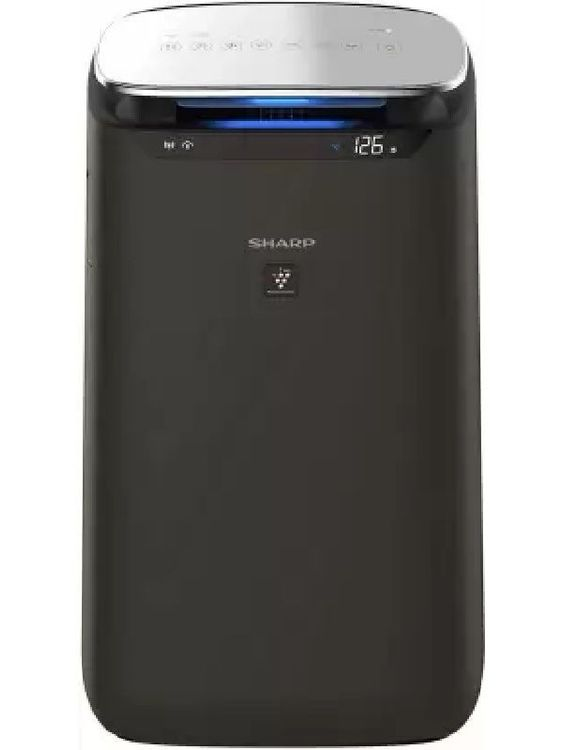
Sharp Air Purifier Fp J80MH
- Plastic Material
- 680 sqft Coverage Area
- Suitable for: Hospital, School, Restaurant, Home And Office
- Push Buttons Control Type ₹29,990
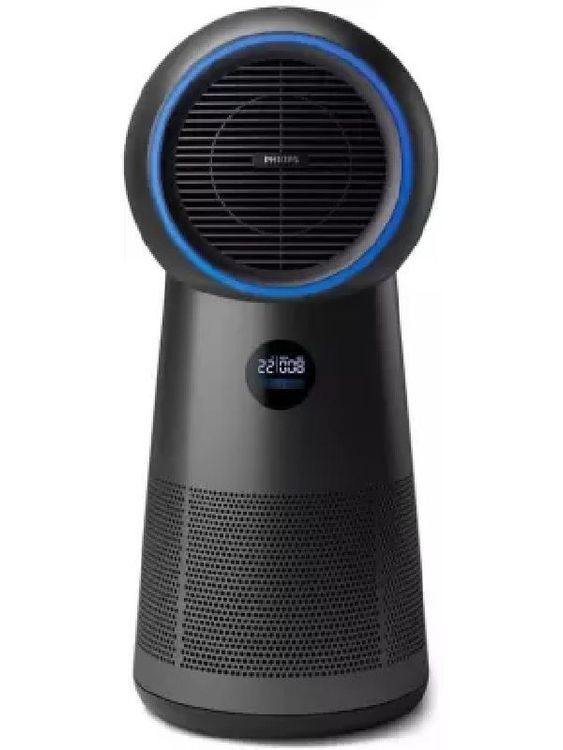
Philips AMF220 65
- Plastic Material
- 215 sqft Coverage Area
- Suitable for: Home, Office
- Touch Button, Remote Control Type ₹26,999
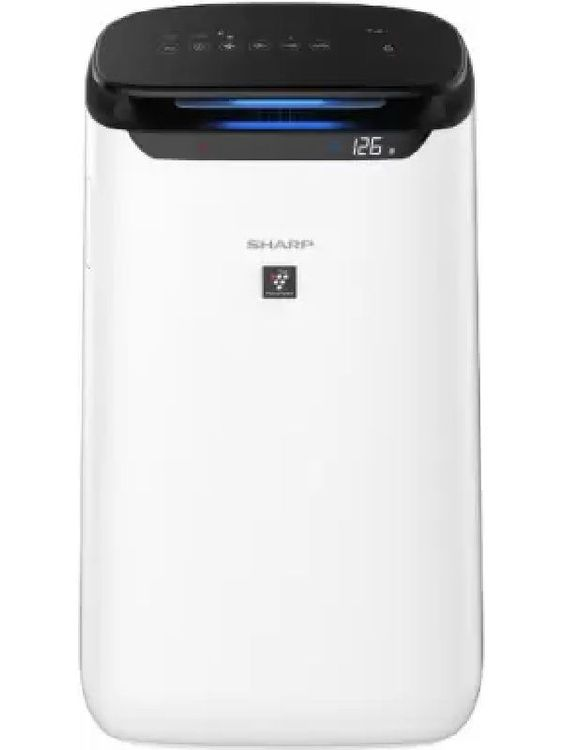
Sharp Fp-J60M W Air Purifier With Digital
- Plastic Material
- 520 sqft Coverage Area
- Suitable for: Hospital, School, Restaurant, Home And Office
- Push Buttons Control Type ₹26,500
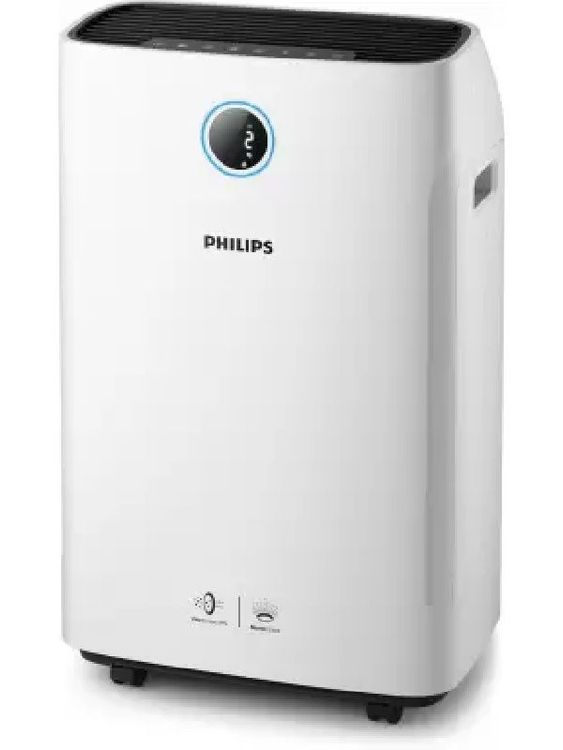
Philips AC3821 20
- Plastic Material
- 861 sqft Coverage Area
- Suitable for: House
- Touch Sensitive Buttons Control Type ₹24,123
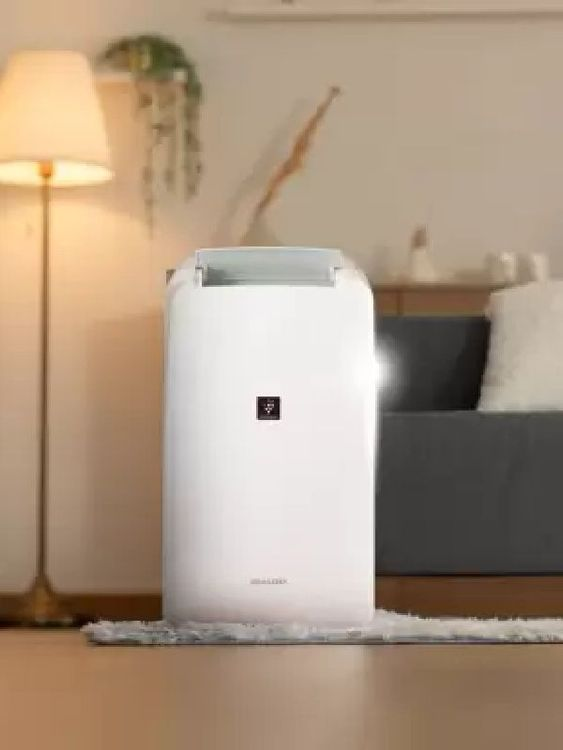
Sharp Dehumidifier DW P10MW
- 250 sqft Coverage Area
- Suitable for: Room ₹25,990
Ad
Best Air Purifiers Under 30,000 in India
In India, air pollution is a big problem. Cities like Delhi, Mumbai, and Bangalore often have bad air quality. Dust, smoke from vehicles, and allergens make it hard to breathe clean air indoors. This is why many people are buying air purifiers. These devices help remove harmful particles from the air. If you have a budget of under 30,000 rupees, you can still find good options. In this guide, I will explain how to choose the right one. I will also review top models from different brands. This includes popular ones like Philips, Coway, Honeywell, Levoit, Dyson, Sharp, and Qubo. As a technology journalist, I have looked at the latest models available in India. My goal is to help you make a smart choice for your home or office.
Air pollution in India comes from many sources. Factories, construction, and traffic release tiny particles called PM2.5. These can enter your lungs and cause health issues like asthma or allergies. During winter, smog gets worse in northern cities. Even indoors, dust, pet hair, and cooking smoke add to the problem. An air purifier can filter out these pollutants. It pulls in dirty air, cleans it, and sends out fresh air. With rising awareness, the market for air purifiers has grown. Brands now offer features like smart controls and quiet operation. But with so many choices, picking one can be confusing. That's where this buying guide comes in.
How Air Purifiers Work: A Simple Explanation
Air purifiers are like vacuum cleaners for the air. They use fans to draw in air from the room. The air then passes through filters that trap dirt and pollutants. The clean air comes out the other side. Most models have multiple layers of filters. The first is a pre-filter. It catches large particles like dust and hair. This protects the main filters from getting clogged too fast.
The key filter is usually a HEPA filter. HEPA stands for High-Efficiency Particulate Air. It can capture 99.97% of particles as small as 0.3 microns. That's smaller than a human hair! In India, where dust is common, a true HEPA filter is important. Some purifiers also have activated carbon filters. These remove odors, gases, and chemicals like volatile organic compounds (VOCs) from paints or cleaners.
Other types include ionizers, which charge particles to make them stick to surfaces. Or UV lights that kill bacteria and viruses. But for most homes, a combination of HEPA and carbon filters works best. The machine's power is measured by CADR, or Clean Air Delivery Rate. This tells how much clean air it produces per hour. Higher CADR means faster cleaning for larger rooms.
In India, look for models tested for local conditions. Pollution here includes high levels of dust and smoke. Some purifiers have sensors that detect air quality and adjust speed automatically. This saves energy and keeps the air fresh without you doing anything.
Key Features to Consider When Buying an Air Purifier Under 30,000
Before you buy, think about your needs. Here are the main things to check. This will help you find the best air purifier under 30,000 in India.
1. Room Size and Coverage
Match the purifier to your room's size. Most models list the area they can cover, like 200 to 500 square feet. For a small bedroom, 200-300 sq ft is enough. For living rooms, go for 400 sq ft or more. In India, apartments are often compact, so measure your space first. Look for ACH, or Air Changes per Hour. A good purifier should change the air 4-5 times per hour for best results.
2. CADR Rating
CADR shows how effective the purifier is. For dust, pollen, and smoke, higher numbers are better. Aim for at least 200-300 m³/h for medium rooms. In polluted cities like Delhi, a high CADR helps clean air faster during bad AQI days.
3. Filter Types and Replacement
True HEPA H13 or H14 filters are ideal. They last 6-12 months, depending on use. Activated carbon helps with smells from cooking or pets. Check the cost of replacement filters. In India, they range from 1,000 to 5,000 rupees. Some brands like Philips offer easy-to-find spares.
4. Noise Level
You don't want a noisy machine, especially at night. Look for models under 50 dB on high speed. Many have a sleep mode that runs quietly, around 20-30 dB. This is like a whisper.
5. Energy Efficiency
Power use matters for your electricity bill. Models under 50 watts are good. In India, where power cuts happen, some have battery backups or low-power modes.
6. Smart Features
Many under 30,000 have app control via Wi-Fi. You can monitor air quality on your phone. Voice control with Alexa or Google Assistant is common. Sensors for PM2.5 and auto mode adjust based on pollution.
7. Build Quality and Warranty
Choose durable brands. Most offer 1-2 years warranty. In humid areas like Mumbai, look for rust-proof designs.
8. Additional Perks
Some double as fans or humidifiers. Portability with wheels or handles is useful. Child locks prevent kids from changing settings.
Budget is key. Under 30,000, you get solid features without extras like advanced AI. Compare prices on sites like Amazon or Flipkart for deals. Read user reviews from Indian buyers for real feedback on dust handling.
Top Air Purifiers Under 30,000 in India: Our Picks
I selected these based on performance, user ratings, and availability in India. Prices are approximate as of October 2025 and may vary. I included a mix of brands for variety. Each has pros, cons, and suggestions for use.
1. Philips AC3059/65 Air Purifier
This Philips model is popular in India for its reliable performance. It costs around 27,799 rupees. The CADR is 520 m³/h, making it fast at cleaning air. It covers up to 48 square meters, or about 516 square feet. That's good for medium living rooms or large bedrooms.
Key features include a true HEPA filter, activated carbon layer, and pre-filter. The AeraSense sensor detects PM2.5 in real time and shows it on a display. It has Wi-Fi for app control. You can set schedules or check filter life from your phone. Noise is low at 20 dB in sleep mode.
Pros: High CADR for quick purification, smart app integration, easy-to-replace filters.
Cons: Slightly bulky, filter replacements cost around 2,500 rupees.
Suggestions: Use it in polluted cities like Delhi during winter. Place it in the center of the room for best airflow. If you have allergies, run it on auto mode all day. For families with kids, the child lock is handy.
2. Coway Airmega 150 Air Purifier
Coway is known for Korean technology adapted for India. Priced at about 15,000-20,000 rupees (check current deals), it has a CADR of around 240 m³/h. It suits rooms up to 355 square feet. The green true HEPA filter captures 99.99% of particles.
It has a washable pre-filter and deodorization filter for odors. The air quality indicator changes color: blue for good, red for bad. Auto mode adjusts fan speed. It's quiet at 22 dB.
Pros: Energy-efficient (35 watts), slim design, 3-year warranty.
Cons: No app control in basic model, smaller coverage than some.
Suggestions: Ideal for bedrooms or small offices. If you have pets, it handles dander well. Clean the pre-filter weekly in dusty areas. Pair it with a humidifier in dry seasons for better comfort.
3. Honeywell Air Touch V5 Air Purifier
Honeywell is a trusted name in India. This model is around 10,000-15,000 rupees. CADR is 300 m³/h for dust, covering up to 465 square feet. It uses HiSiv and HEPA filters to trap pollutants and gases.
The touch panel shows real-time PM2.5 levels. It has Wi-Fi for app monitoring. Child lock and timer are included. Noise is 28 dB in low mode.
Pros: Affordable filters (under 2,000 rupees), UV light for germs, sturdy.
Cons: Louder on high speed (55 dB), basic design.
Suggestions: Great for families in high-dust areas like construction zones. Use UV mode during flu season. Place near windows to filter incoming air. For asthma patients, it reduces triggers effectively.
4. Levoit Core 300 Air Purifier
Levoit offers value for money at about 10,000-12,000 rupees. CADR is 240 m³/h, for rooms up to 219 square feet. The 3-stage filtration includes HEPA, carbon, and pre-filter.
It has a display off option for dark rooms. Timer and sleep mode keep it silent at 24 dB. No smart features, but easy controls.
Pros: Compact and portable, ozone-free, low power (45 watts).
Cons: No sensors, manual operation only.
Suggestions: Best for small spaces like kids' rooms. If you smoke indoors, the carbon filter helps with odors. Replace filters every 6 months in polluted areas. It's a good starter purifier for first-time buyers.
5. Dyson TP10 Cool Gen1 Air Purifier
Dyson brings premium tech under 30,000 with discounts (around 25,000-28,000 rupees). CADR is high at about 290 m³/h. It covers up to 800 square feet as a fan-purifier combo. The sealed HEPA filter captures 99.95% of ultrafine particles.
Air Multiplier technology projects cool air. Remote control and oscillation for even distribution. Auto mode with sensors.
Pros: Bladeless design safe for kids, quiet (under 40 dB), stylish.
Cons: Higher filter cost (4,000 rupees), no humidifier.
Suggestions: Use in hot Indian summers as a cooling fan. Place in living rooms for whole-room purification. If you have allergies, the night mode dims lights. It's worth the price for Dyson's build quality.
6. Sharp FP-J80M-H Air Purifier
Sharp uses Plasmacluster ions for extra cleaning. Priced at 29,750 rupees, CADR is 408 m³/h. Covers up to 680 square feet. Filters include HEPA, carbon, and pre-filter.
Ions neutralize viruses and odors. Haze mode for heavy pollution. Quiet at 15 dB.
Pros: Effective against microbes, 10-year filter life claim, energy-saving.
Cons: Bulkier, ions may produce ozone (minimal).
Suggestions: Ideal for homes with elderly or during monsoon mold. Run haze mode in smoggy days. Clean filters monthly. Good for large spaces like halls.
7. Qubo Smart Air Purifier Q500
Qubo is an Indian brand with smart features. Around 15,000 rupees, CADR 500 m³/h. Covers 500 square feet. 7-stage filtration with HEPA and UV.
App control, voice integration. Portable with handle.
Pros: Affordable smart tech, UV for sterilization, low noise.
Cons: Newer brand, app bugs sometimes.
Suggestions: For tech-savvy users, integrate with home automation. Use in offices for remote monitoring. Replace filters affordably.
Maintenance Tips for Your Air Purifier
To keep it working well, clean the pre-filter every 2 weeks. Vacuum or wash it. Change main filters as per indicator. In India, dust builds up fast, so check often. Place the unit 1-2 feet from walls for airflow. Run it 24/7 on low for best air quality. Avoid near kitchens to prevent oil clogging. Annual servicing costs little but extends life.
Conclusion: Breathe Easier with the Right Choice
Choosing an air purifier under 30,000 in India is smart for health. Models like the Philips AC3059/65 or Dyson TP10 offer great value. Consider your room size, features, and budget. With pollution rising, investing now pays off. Check latest prices and read reviews before buying. Clean air means better sleep, fewer allergies, and peace of mind.
Ad
 |
|
Further Informations
Registered Office Address
807, 808, 8th Floor,
IRIS Tech Tower Sohna Road Sector 48,
Gurugram, Haryana - 122018