



Ad
Best Air Purifiers Under ₹10,000 in India
Filtersclear all
- Under 30 sq ft (6)
- Under 60 sq ft (9)
- Under 120 sq ft (19)
- Under 240 sq ft (25)
- Under 480 sq ft (68)
- Under 960 sq ft (76)
- Under 1920 sq ft (76)
- Under 3840 sq ft (76)
Ad

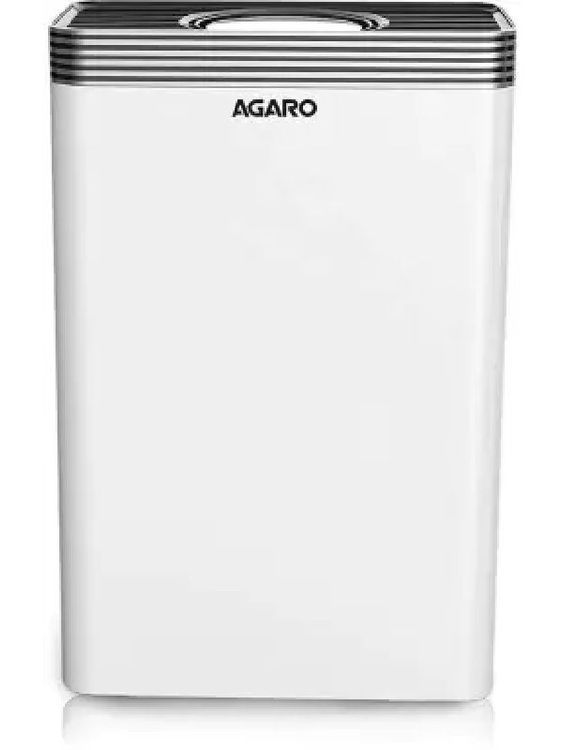
Agaro Purewave
- 625 sqft Coverage Area
- Suitable for: Room ₹9,999
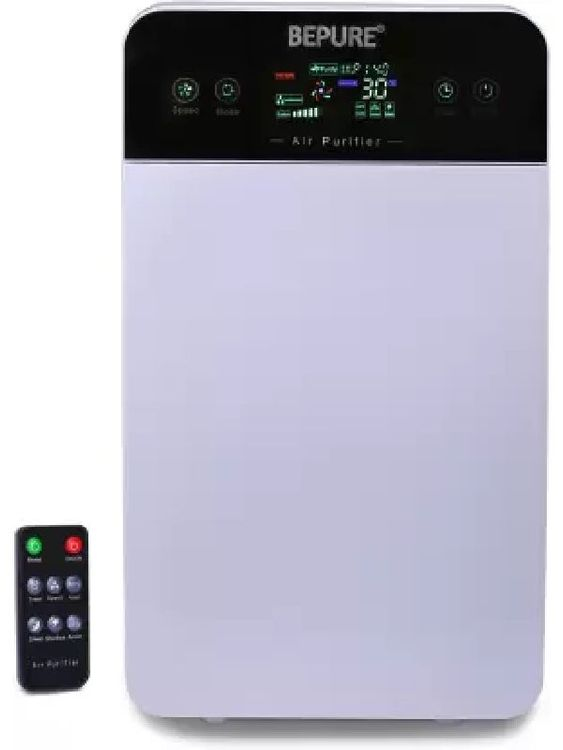
Bepure B1 4 Stage Hepa Technology Remote Control based
- 500 sqft Coverage Area
- Suitable for: Room ₹4,999
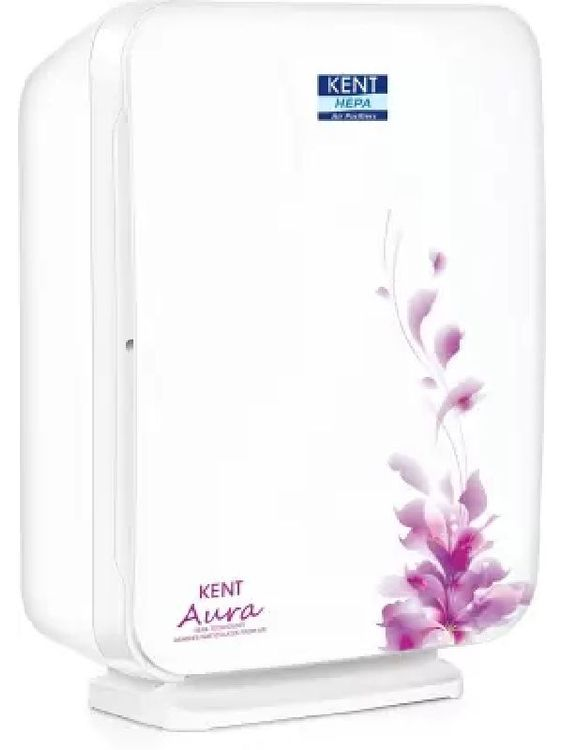
Kent Aura
- Plastic Material
- 270 sqft Coverage Area
- Suitable for: Home
- Touch Control Type ₹7,999
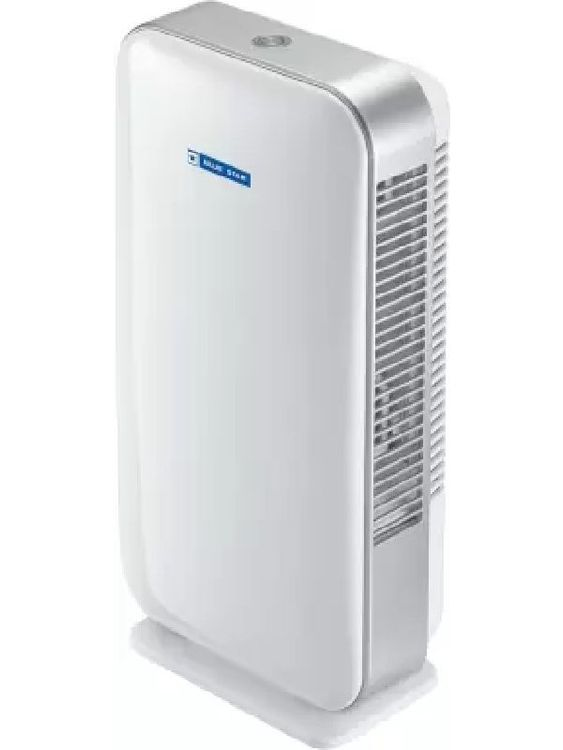
Blue Star BS-AP90RAP
- ABS Material
- 110 sqft Coverage Area
- Suitable for: Office, Room
- Touch Panel Control Type ₹9,989
Jonathan Portable Room Air Purifier
- 50 sqft Coverage Area
- Suitable for: Room ₹7,500
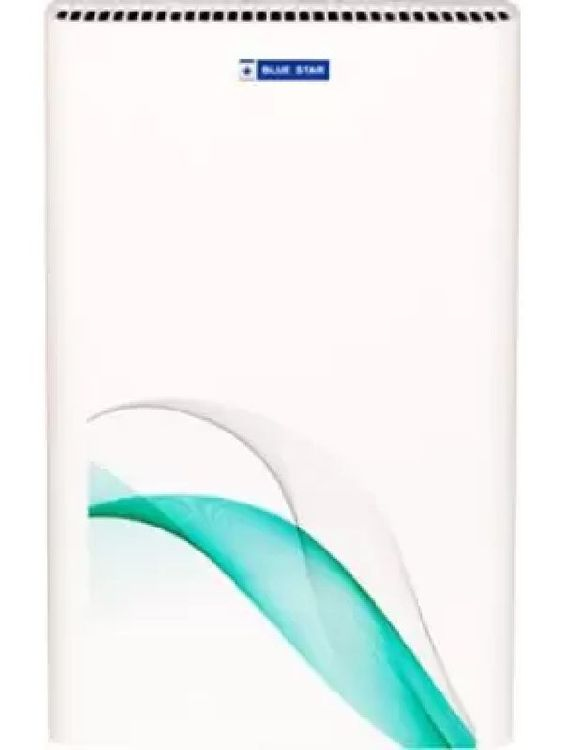
Blue Star BS-AP300DAI
- ABS Material
- 300 sqft Coverage Area
- Suitable for: Room
- Button Control Type ₹6,990
Ad
Best Air Purifiers Under 10,000 in India 2025
In today's world, clean air is no longer a luxury—it's a necessity. India faces some of the worst air pollution globally, with cities like Delhi, Mumbai, and Bangalore often topping charts for high AQI levels. Dust, smoke from vehicles, industrial emissions, allergens, and even indoor pollutants like cooking fumes and pet dander can harm our health. Respiratory issues, allergies, and long-term problems like asthma are on the rise, especially among kids and the elderly. That's where air purifiers come in. These devices help filter out harmful particles, making your home a safer space to breathe.
If you're on a tight budget, don't worry. You can find effective air purifiers under 10,000 INR that deliver good performance without breaking the bank. This guide is tailored for Indian buyers, considering local factors like high dust levels, humid climates in coastal areas, and the need for affordable filter replacements. We'll cover how these machines work, what to look for when buying one, and our top recommendations from a mix of brands. Whether you're in a small apartment in Chennai or a family home in Kolkata, there's something here for you.
As a technology journalist, I've reviewed dozens of gadgets, and air purifiers stand out for their real impact on daily life. With pollution seasons peaking in winter across North India, now is the perfect time to invest. Let's dive in and help you choose the best air purifier under 10,000 in India for 2025.
How Air Purifiers Work: A Simple Explanation
Air purifiers are like vacuum cleaners for the air. They pull in dirty air, pass it through filters, and blow out clean air. Most models use a fan to circulate air, and the key part is the filtration system.
The most common filter is HEPA (High-Efficiency Particulate Air), which traps tiny particles as small as 0.3 microns—think dust, pollen, and smoke. Many also have activated carbon filters to absorb odors, gases, and volatile organic compounds (VOCs) from paints or cleaning products. Pre-filters catch larger bits like hair or lint, extending the life of main filters.
In India, where dust is a big issue due to construction and traffic, look for multi-stage filtration. Some purifiers add ionizers or UV lights to kill bacteria and viruses, which is useful during flu seasons or in humid regions like Kerala. Smart models connect to apps, showing real-time air quality and letting you control them remotely—handy if you're away from home in busy cities like Hyderabad.
These devices don't create fresh air; they clean what's already there. Place them in rooms where you spend most time, like bedrooms or living areas. For best results, run them on medium speed during the day and low at night to avoid noise.
Key Factors to Consider When Buying an Air Purifier Under 10,000 in India
Choosing the right air purifier isn't just about price. Here are the main things to think about, especially for Indian homes:
1. Room Size and CADR (Clean Air Delivery Rate)
CADR measures how quickly the purifier cleans air. For a 200-300 sq ft room (common in Indian apartments), aim for at least 150-200 m³/h CADR. Too low, and it won't handle pollution effectively. Check the manufacturer's rating for smoke, dust, and pollen—higher is better for dusty areas like Punjab or Rajasthan.
2. Filter Types and Replacement Costs
HEPA H13 or higher is ideal, capturing 99.97% of particles. Carbon filters are essential for odors from Indian cooking (think spices and oil). Pre-filters are a must in high-dust zones. Filters last 6-12 months; replacements cost 1,000-3,000 INR. Brands like Philips and Honeywell offer easy-to-find spares in India via Amazon or Flipkart.
3. Noise Level
No one wants a noisy machine disturbing sleep. Look for under 50 dB on high speed—quiet as a whisper. Models with sleep modes are great for bedrooms.
4. Energy Consumption
Electricity bills matter in India. Choose models under 50W; they won't add much to your monthly costs. Energy Star-rated ones are efficient.
5. Smart Features and Controls
Wi-Fi connectivity, app control, and auto mode (adjusts based on air quality) add convenience. Voice control with Alexa or Google Assistant is a bonus. Under 10,000, you get basic smarts in brands like Mi.
6. Build Quality and Warranty
Durable plastic bodies withstand Indian humidity. Go for 1-2 year warranties. Check BIS certification for safety.
7. Additional Features
UV-C lights for germ killing, child locks, and air quality indicators (color-coded LEDs) are useful. For allergies, focus on high HEPA ratings.
8. India-Specific Needs
In polluted cities, prioritize high CADR for PM2.5. For coastal areas, rust-resistant models. Budget for ongoing costs—filters and power.
Weigh these against your needs. A family with pets might need strong odor control, while asthma patients prioritize HEPA. Read user reviews on Indian sites like Amazon.in for real feedback.
Top Air Purifiers Under 10,000 in India: Our Mixed Brand Recommendations
Based on recent tests, user ratings, and availability in India (via e-commerce and stores like Croma or Reliance Digital), here are our top picks. Prices fluctuate but are under 10,000 as of October 2025. We've mixed brands for variety, including global leaders and budget-friendly options.
1. Philips AC0920 Smart Air Purifier
Price: Around 7,500 INR
Philips is a trusted name in India for home appliances. The AC0920 covers up to 300 sq ft, perfect for small bedrooms or offices. It has a true HEPA filter that removes 99.97% of viruses, allergens, and PM2.5. Real-time AQI display and smart sensors adjust speed automatically.
Pros: Quiet operation (under 45 dB), energy-efficient (27W), app control via Clean Home+. Easy filter changes.
Cons: No UV light, basic design.
Ideal for: Allergy sufferers in urban areas like Delhi. Filter replacements cost about 1,500 INR. User reviews praise its effectiveness during Diwali smoke.
2. Xiaomi Mi Air Purifier 3
Price: Around 8,999 INR
Xiaomi (Mi) brings affordable tech to India. This model has a 360-degree intake for fast cleaning, with CADR of 380 m³/h—great for medium rooms (up to 484 sq ft). OLED display shows PM2.5 levels, and Mi Home app lets you schedule runs. HEPA and carbon filters handle dust and odors well.
Pros: High CADR for price, voice control with Alexa, low noise (31 dB in sleep mode).
Cons: App can be glitchy, filters last 6 months.
Ideal for: Tech-savvy users in apartments. In Mumbai's humid air, it reduces mold smells. Suggestions: Pair with Mi's smart humidifier for balanced humidity.
3. Honeywell Air Touch V4
Price: Around 7,999 INR
Honeywell is known for reliable filtration. The Air Touch V4 has a CADR of 300 m³/h, covering 388 sq ft. Three-stage filtration (pre-filter, HEPA, activated carbon) traps pollutants effectively. Touch controls and child lock make it family-friendly.
Pros: Washable pre-filter saves money, real-time AQI, quiet at 22 dB low.
Cons: No app, bulkier design.
Ideal for: Homes with kids or pets in Bangalore. During monsoon, it handles damp odors. Filter costs: 2,000 INR yearly.
4. Levoit Core 300
Price: Around 8,499 INR
Levoit is gaining popularity in India for value. This compact purifier has a CADR of 187 m³/h for 215 sq ft rooms. True HEPA H13 filter captures 99.97% particles, with aroma pad for essential oils. Timer and sleep mode included.
Pros: Portable (under 3 kg), energy-saving (28W), ozone-free.
Cons: No smart features, smaller coverage.
Ideal for: Small spaces like study rooms in Chennai. Users love its simplicity for daily dust.
5. Coway Airmega Aim
Price: Around 9,499 INR
Coway, a Korean brand, excels in filtration. CADR of 249 m³/h for 355 sq ft. GreenHEPA technology with anti-virus coating, plus mood lights. Auto mode and filter indicator.
Pros: Long filter life (8,500 hours), quiet (22 dB), stylish design.
Cons: Higher initial cost in budget, no UV.
Ideal for: Modern homes in Hyderabad. Great for virus protection post-COVID.
6. Sharp FP-F40E-W
Price: Around 8,999 INR
Sharp uses Plasmacluster ion technology to neutralize germs. CADR 240 m³/h for 320 sq ft. HEPA and carbon filters, with haze mode for heavy pollution.
Pros: Ionizer reduces static dust, energy-efficient (27W), spot mode for targeted cleaning.
Cons: No app, louder on high (49 dB).
Ideal for: Dusty areas like Rajasthan. Effective against bacteria in humid climates.
7. Dyson Pure Cool Me (as an Example from Dyson)
Price: Around 9,999 INR (on discounts; regular 11,999 INR)
Dyson brings premium tech to the mix. The Pure Cool Me is a personal purifier with focused airflow via Core Flow technology. HEPA filter captures 99.95% pollutants as small as 0.1 microns. Oscillates 70 degrees, with LCD display for air quality.
Pros: Precise cooling and purification, quiet (under 40 dB), magnetic remote.
Cons: Smaller coverage (personal use, up to 100 sq ft), expensive filters (3,000 INR).
Ideal for: Desk or bedside in polluted cities like Delhi. A few suggestions for this example: Use the timer for night runs to save energy; place it near your bed for targeted clean air during sleep; combine with Dyson's app for monitoring if upgraded; clean the outer grille weekly in dusty India to maintain efficiency; consider it for travel within home due to portability.
These picks are based on CADR tests, user feedback from Reddit and Amazon, and availability in India. Prices include GST; check for deals on festive sales.
Maintenance Tips for Your Air Purifier
To keep it running well: Clean pre-filters monthly, replace main filters as indicated, run daily in polluted seasons, place away from walls for better circulation. In India, avoid direct sunlight to prevent plastic fading.
Conclusion: Breathe Easier with the Right Choice
Air purifiers under 10,000 offer great value in India, tackling local pollution challenges effectively. From Philips' smart features to Dyson's precise tech, there's a model for every need. Prioritize CADR and filters for your room size. With rising AQI, investing now protects your family's health. Shop from trusted sites, read warranties, and enjoy cleaner air. If pollution worsens, consider upgrading later. Stay healthy!
Ad
 |
|
Further Informations
Registered Office Address
807, 808, 8th Floor,
IRIS Tech Tower Sohna Road Sector 48,
Gurugram, Haryana - 122018