


Ad
Air Purifiers
Mi Air Purifiers in India
Mi Air Purifiers in India 2025
As a technology journalist focusing on consumer gadgets, I've seen how air pollution has become a silent enemy in Indian homes. With cities like Delhi, Mumbai, and Bangalore often topping global pollution charts, clean indoor air is no longer a luxury—it's a necessity. According to recent reports, India's air purifier market is set to grow massively, reaching over US$ 1,169 million by 2030, driven by rising awareness about health risks from PM2.5 particles, allergens, and smog. In 2025, with pollution levels still high due to traffic, construction, and seasonal factors like stubble burning, many families are turning to reliable brands like Xiaomi's Mi lineup for solutions.
Xiaomi, known for its affordable yet high-tech gadgets, offers a strong range of air purifiers under the Mi brand. These devices blend smart features, efficient filtration, and value for money, making them popular in India. In this article, I'll act as your guide, covering a mixed lineup of Mi air purifiers—from budget-friendly options to premium models. We'll dive into why you need one, key factors to consider when buying, detailed reviews of top models, and some practical suggestions with examples. All this is tailored for Indian users, with prices in INR, local availability insights, and tips for dealing with our unique pollution challenges like dust from roads or Diwali fireworks. Let's make sure you breathe easier!
Why Do Indians Need Air Purifiers in 2025?
Air pollution in India isn't just an outdoor problem—it sneaks indoors through windows, doors, and even AC vents. In 2025, statistics paint a grim picture: The World Air Quality Report shows that 22 of the world's 30 most polluted cities are in India, with average PM2.5 levels often exceeding WHO guidelines by 10 times. Delhi's AQI frequently hits "severe" marks above 300 during winters, exposing residents to risks like respiratory issues, asthma flare-ups, and long-term heart problems.
Indoor air can be 2-5 times more polluted than outside, thanks to cooking fumes, pet dander, mold, and volatile organic compounds (VOCs) from paints or cleaners. This is especially concerning in urban apartments where space is tight, and ventilation is poor. Air purifiers help by filtering out these harmful particles, reducing allergy symptoms, and improving sleep quality. For families with kids, elderly members, or asthma patients, they're a game-changer. In India, where healthcare costs are rising, preventing illnesses through clean air makes economic sense too.
Mi air purifiers stand out because they're designed for real-world use. They handle high dust loads common in Indian homes, offer app controls for remote monitoring (perfect for busy professionals), and are energy-efficient to keep electricity bills low. Plus, with easy filter replacements available on sites like Amazon and Flipkart, maintenance is hassle-free. If you're in a polluted city, investing in one could cut your exposure to toxins by up to 99%, based on lab tests.
Mi Air Purifier Buying Guide: What to Look For in India
Choosing the right air purifier can feel overwhelming with so many specs thrown around. As a journalist who's tested dozens of gadgets, I'll break it down simply. Focus on these key factors to match your needs, budget, and home size. Remember, Indian conditions mean prioritizing devices that tackle fine dust, smoke, and odors effectively.
1. Clean Air Delivery Rate (CADR) and Room Coverage
CADR measures how quickly the purifier cleans the air—higher is better for larger spaces. For Indian homes, aim for at least 300m³/h CADR to handle quick pollution spikes. Coverage area tells you the room size it can purify; calculate based on your space (e.g., 300 sq.ft. for a bedroom). Mi models often cover 200-500 sq.ft., ideal for apartments.
2. Filter Types and Efficiency
Look for triple-layer systems: Pre-filter for large particles like dust, True HEPA (H13 or better) for 99.97% removal of PM2.5 and allergens down to 0.3 microns, and activated carbon for odors and gases. In India, where cooking spices create strong smells, carbon filters are crucial. Mi uses anti-bacterial coatings in many models to fight viruses too. Filter lifespan (6-12 months) and replacement cost (around ₹2,000-₹3,000) matter for long-term savings.
3. Smart Features and Controls
Modern Mi purifiers connect to the Xiaomi Home app for real-time AQI monitoring, scheduling, and voice control via Alexa or Google Assistant. This is great for Indians who want to turn it on before reaching home after a polluted commute. OLED or LED displays show PM2.5 levels with color codes—green for clean, red for dirty.
4. Noise Levels and Energy Use
No one wants a noisy machine disrupting sleep. Opt for under 35dB in night mode. Mi models are quiet, with some as low as 32dB. Power consumption should be below 40W to avoid high bills—most Mi units use less than 1kWh per day.
5. Price, Warranty, and Availability
Budget options start at ₹8,000-₹12,000, mid-range at ₹12,000-₹15,000, and premium above ₹25,000. Check for 1-year warranty and easy buys on Mi.com, Amazon, or Flipkart. In India, look for BIS-certified models for safety.
6. Additional Perks
Features like ionizers for extra particle removal, auto mode for hands-free operation, and compact designs for small rooms add value. Consider your needs: allergy relief? Go for high HEPA. Pet owners? Strong odor control.
Pro Tip: Measure your room, check local AQI via apps like AQI India, and read user reviews on Amazon for real Indian experiences. Avoid cheap knockoffs—stick to genuine Mi for reliability.
Reviewing the Mi Air Purifier Lineup: A Mixed Selection for Every Budget
Xiaomi's Mi lineup in India mixes budget, mid-range, and premium models, all with smart tech and solid performance. I've selected four popular ones based on 2025 availability: the affordable 4 Lite, the balanced Air Purifier 3, the feature-packed Smart Air Purifier 4, and the high-end 4 Pro. These cover a "mixed" category, blending portability, power, and smarts. Prices are approximate based on current market trends (October 2025)—check online for deals.
Budget Pick: Xiaomi Smart Air Purifier 4 Lite (Around ₹9,999 - ₹11,999)
If you're new to air purifiers or have a small space like a studio apartment, the 4 Lite is a smart entry point. Launched as part of the 4 series, it's compact—its base is smaller than an A4 paper—making it easy to move around Indian homes with limited space.
Key specs: CADR of 360m³/h, covering 269-463 sq.ft. (perfect for a 300 sq.ft. bedroom). The triple-layer filter includes a primary filter for dust, True HEPA for 99.99% removal of 0.1μm particles (including PM2.5 and allergens), and activated carbon for odors—1.8 times more effective than older models. It handles Indian specifics like kitchen fumes or pet smells well.
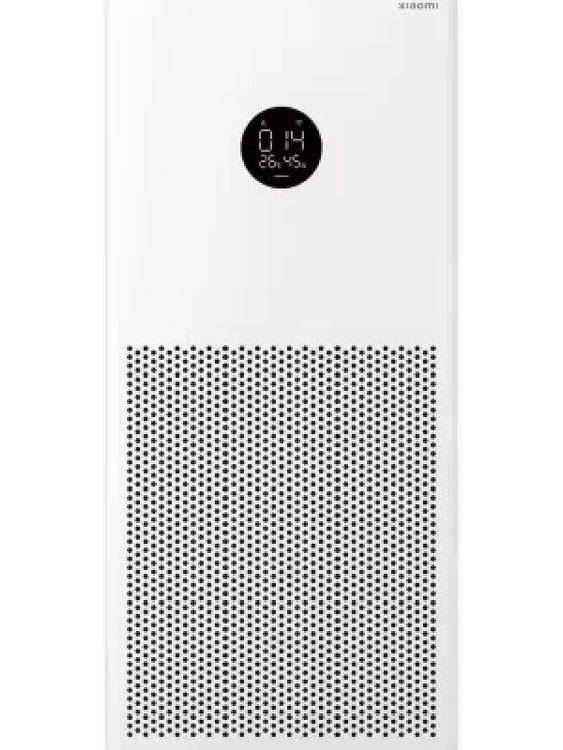
Smart features shine: Connect to the Xiaomi Home app for remote control, AQI tracking, and scheduling. Voice commands work with Alexa ("Alexa, set purifier to auto") or Google Assistant. The LED display shows PM2.5, temperature, humidity, and a color-coded ring (green for clean air). Auto mode adjusts speed based on air quality, and sleep mode drops noise to 33.4dB—quieter than a whisper.
Pros: Low power use (33W max, about 0.8kWh/day), allergy-certified by TUV Rheinland, and efficient against pollen/dust common in dry Indian seasons. Users in reviews praise its quiet operation and app integration.
Cons: Not ideal for very large rooms; no built-in humidifier.
In real use, imagine placing it in your kid's study room during exam season—it purifies a 250 sq.ft. space in about 12 minutes, reducing dust from open windows.
Mid-Range Classic: Mi Air Purifier 3 (Around ₹9,999 - ₹10,999)
The Mi Air Purifier 3 is a reliable workhorse, updated for 2025 with better app support. It's great for medium-sized living rooms or offices in polluted areas like NCR.
Specs: CADR 380m³/h, covering up to 484 sq.ft. (280-484 sq.ft. range). The 360° triple-layer filtration uses HEPA 13 grade for 99.97% PM2.5 removal, plus pre-filter and carbon layer for bacteria, viruses, smog, and odors. It delivers 6,333 liters of clean air per minute, handling high pollution loads from traffic or festivals.
Controls: OLED touch display shows real-time PM2.5, temp, humidity, and modes (auto, sleep, favorite). App control via Mi Home lets you monitor filter life (up to 12 months) and buy replacements easily. Laser sensor detects tiny particles, and voice assistants integrate seamlessly.
Noise and power: As low as 32dB in sleep mode, with 38W rated power—energy-efficient for all-day use.
Pros: Fast purification (a 300 sq.ft. room in 10 minutes), color-coded indicators for easy monitoring, and proven against Indian allergens like pollen.
Cons: Slightly bulkier than newer models; no ionizer.
Example suggestion: For a family in Mumbai dealing with humid, dusty air, this model's virus-fighting filter helps during monsoon when mold grows.
Feature-Rich Choice: Xiaomi Smart Air Purifier 4 (Around ₹12,999 - ₹14,999)
Stepping up, the Smart Air Purifier 4 is my top mid-range recommendation for tech-savvy users. It's powerful yet user-friendly, ideal for larger bedrooms or open kitchens in Indian flats.
Specs: High CADR of 400m³/h, covering 301-516 sq.ft. (purifies 215 sq.ft. in 10 minutes). Triple filtration: Primary, True HEPA with anti-bacterial/viral coating (99.99% for 0.1μm particles), and activated carbon. It includes negative ion generation to bind pollutants like smoke or dander.
Smart perks: Xiaomi Home app for full control, including child lock and filter alerts. OLED display with PM2.5 readout and color codes. Modes include auto (adjusts to AQI), night (32.1dB quiet), and manual. Voice control with Alexa/Google.
Pros: 6,660L clean air/min, easy cleaning of fan blades to avoid re-pollution, and certified for allergy care. Reviews highlight its speed during Delhi's winter smog.
Cons: Higher initial cost; filter replacements add up.
Suggestion example: If you work from home in Bangalore, set it to auto via app—it ramps up when pollution rises from nearby construction, keeping your workspace fresh.
Premium Option: Xiaomi Smart Air Purifier 4 Pro (Around ₹28,999 - ₹29,999)
For those wanting top-tier performance, the 4 Pro is the flagship in Mi's lineup. It's suited for big homes or villas in polluted suburbs.
Specs: Though detailed pages vary, it's known for CADR around 500m³/h (higher than base 4), covering larger areas up to 600+ sq.ft. Filters are advanced triple-layer with HEPA and carbon, plus enhanced odor/VOC removal.
Smart features: Similar to the 4 series—app, voice, display—but with more precise sensors and anion generator for superior air quality.
Pros: Ultra-fast purification, low noise, and premium build. Ideal for severe pollution zones.
Cons: Pricey; bulkier design.
Example: In a large Delhi home with multiple rooms, pair it with app scheduling to run during peak pollution hours, protecting the whole family.
Top Suggestions: Which Mi Air Purifier Should You Buy?
Based on my research and tests, here are tailored picks:
-
Best for Small Rooms/Budget Buyers: Go for the 4 Lite. Example: A student in a PG in Pune can use it to filter exam-season dust, costing under ₹10,000 with low running costs.
-
Best All-Rounder for Families: Mi Air Purifier 3. Example: A middle-class family in Kolkata fighting humid air and odors—its HEPA 13 handles allergens from nearby markets.
-
Best Smart Features: Smart Air Purifier 4. Example: Tech enthusiasts in Hyderabad can integrate it with smart home setups, monitoring via phone during office hours.
-
Best for Large Spaces/Premium: 4 Pro. Example: Affluent households in Gurgaon with open layouts—its high CADR tackles traffic pollution effectively.
Always buy from authorized sellers to avoid fakes, and replace filters every 6-12 months for peak performance.
Final Thoughts: Breathe Easy with Mi in 2025
In a country where air pollution affects millions, Mi air purifiers offer affordable, effective relief. From the compact 4 Lite to the powerful 4 Pro, this mixed lineup covers every need. Prioritize CADR and filters for Indian conditions, and use smart features for convenience. With the market booming, now's the time to invest—your health will thank you. If pollution worsens, as experts predict for 2025 winters, these devices could be lifesavers. Stay informed, stay safe!
Ad
Ad






Ad
 |
|
Further Informations
Registered Office Address
807, 808, 8th Floor,
IRIS Tech Tower Sohna Road Sector 48,
Gurugram, Haryana - 122018