Comparos.In brings you, comparison of Samsung Galaxy S26 Ultra and Xiaomi 17 Ultra. The price of Samsung Galaxy S26 Ultra is 1.40 Lakh and Xiaomi 17 Ultra is 1.40 Lakh. Samsung Galaxy S26 Ultra is available in 6.9 inch size, Ram 16 GB and 5000 mAh Mobile whereas Xiaomi 17 Ultra is available in 6.9 inch size, Ram 16 GB and 6000 mAh mobile. Apart from prices, you can also find detailed comparisons of these Mobiles based on Refresh rate, Front Camera, Rear Camera convenience features like processor, chipset and warranty. Comparisons between these Mobiles have been carried out to help you make the correct buying decision between Samsung Galaxy S26 Ultra and Xiaomi 17 Ultra.
Samsung Galaxy S26 Ultra vs Xiaomi 17 Ultra Comparison Overview
| Key Highlights | Samsung Galaxy S26 Ultra | Xiaomi 17 Ultra |
|---|
| Brand | Samsung | Xiaomi |
| Price | 1.40 Lakh | 1.40 Lakh |
| Display Size | 6.9 inch | 6.9 inch |
| Ram | 16 GB | 16 GB |
| Battery | 5000 mAh | 6000 mAh |



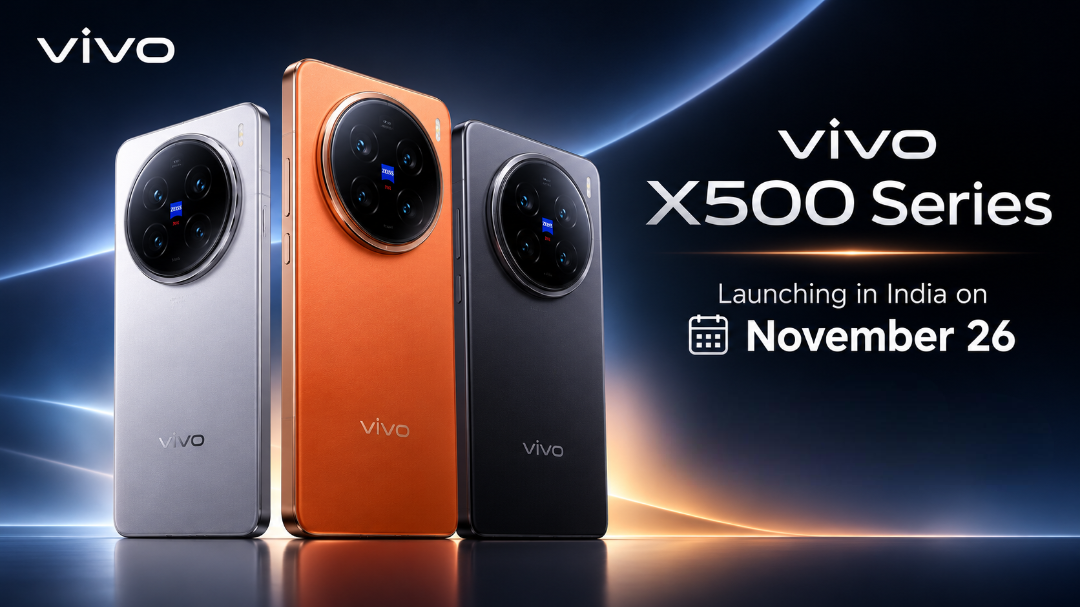
 MobileVivo X500 Series Set for India Launch: Specs, Features, and Expected Pricing