


- News
- All News
- Mobiles
- Laptops
- Watches
- Cameras
- Printers
- Refrigerators
- Televisions
- Air Conditioners
- Washing Machines
- Air Purifiers
- Water Purifiers
- Expert Reviews
- All Reviews
- Mobiles
- Laptops
- Watches
- Cameras
- Printers
- Refrigerators
- Televisions
- Air Conditioners
- Washing Machines
- Air Purifiers
- Water Purifiers
- Articles
- All Articles
- Mobiles
- Laptops
- Watches
- Cameras
- Printers
- Refrigerators
- Televisions
- Air Conditioners
- Washing Machines
- Air Purifiers
- Water Purifiers
- Videos
- Videos

Ad
Apple Advances Smart Glasses with Siri AI Integration and Developer Support


on Google
on Google
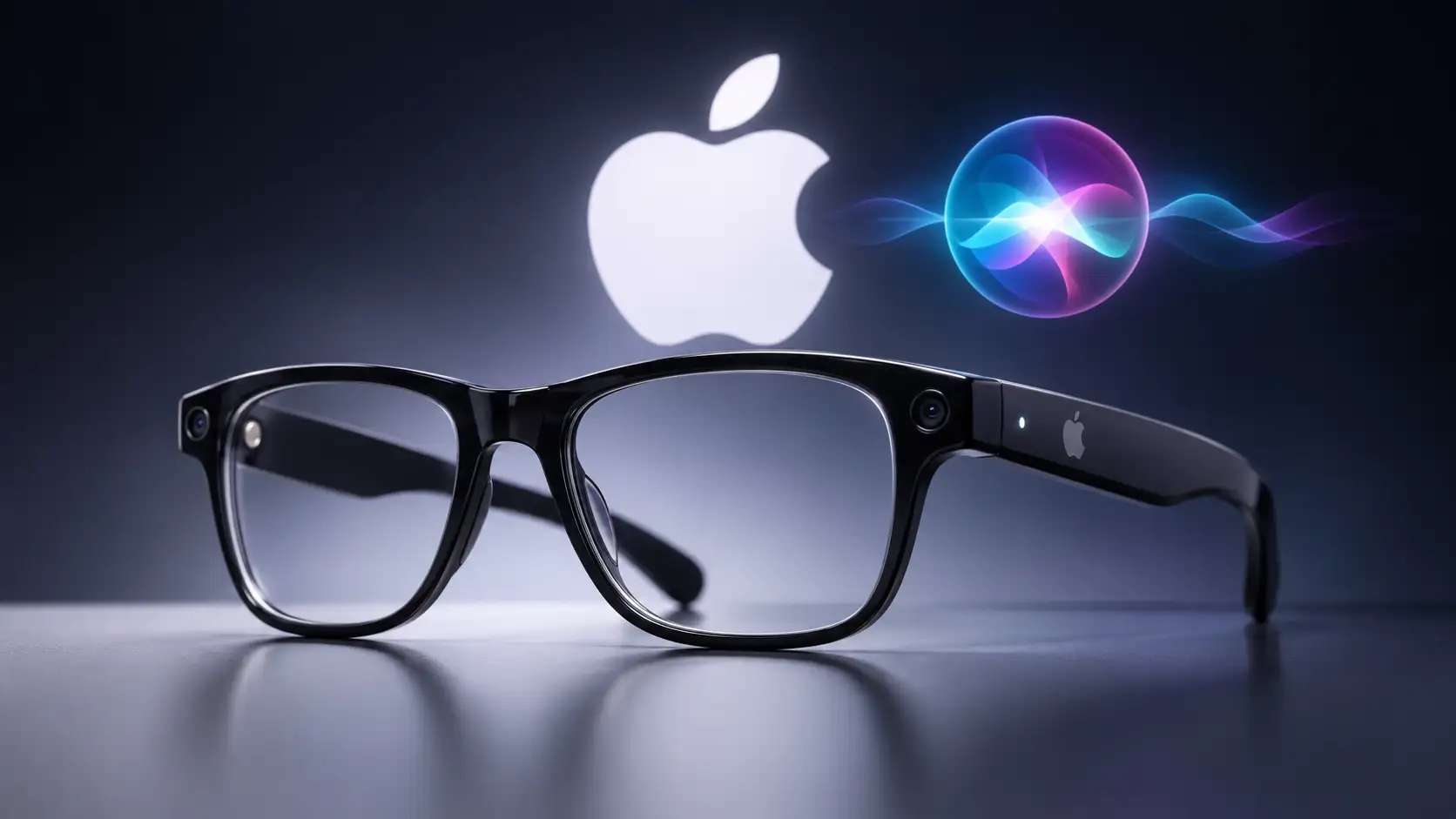
Apple is getting ready to step into the smart glasses market, with Siri AI as the main way people will interact with the device. The company has been working on its own glasses, internally code-named N50, and hopes to stand out by tying them closely to its developer ecosystem. Like other smart glasses out there, they’re expected to come with cameras, microphones, and speakers.
Key Highlights
- Apple is building the N50 smart glasses, with Siri AI as the main way to use them
- The glasses will support Wi-Fi and run visionOS 28, powered by a custom processor based on Apple Watch chips
- Developers will be able to let Siri control app functions without opening the apps or reaching for a phone
- Privacy protections include on-device processing and limits on recording and facial recognition
- Apple is expected to unveil the glasses at WWDC 2027, with pricing still unannounced
Key Features and Siri Integration
Aspect | Details |
Developer access | Developers can expose app functions to Siri, so you can act by voice without opening apps or using your phone. |
Groundwork | Began with the iOS 27.3 beta and its new Siri capability, promised in 2024. |
How it works | Updated AI models let Siri control apps via voice and a chatbot-style interface. |
Timeline | Apple’s own apps get controls with iOS 27.3 in December; third-party support follows next year. |
Example uses | Booking a restaurant table or a cab. |
Wi-Fi support | Some third-party features work even when your iPhone isn’t nearby. |
Android | Not supported. |
Hardware, Software, and Privacy Measures
Aspect | Details |
Software | Simplified visionOS 28, derived from Vision Pro. |
Processor | Custom chip based on older Apple Watch silicon. |
Design | Slimmer than Meta’s second-gen Ray-Bans, with flush oval cameras and a front indicator light. |
Colors | Several options expected. |
Visual intelligence | Identifies buildings, suggests meals, translates conversations and signs, answers questions about nearby objects. |
Everyday features | Navigation, calls, messages, calendars, reminders, music, smart-home controls. |
Privacy | On-device processing, limits on recording and facial recognition, sensing-only cameras. |
Market Context and Launch Timeline
Apple thinks its App Store and developer community could help it pull ahead of Meta and Google. Meta and OpenAI are building AI agents for their own glasses, and Samsung and Google plan to launch AI glasses in 30 designs. Other brands are experimenting with ChatGPT integration and lenses that tint on their own.
Apple is reportedly working on more than one pair, though the first won’t have an AR display. Staff have called it “AirPods for your face.” The hardware is nearly final, but the software is running behind, so delays could happen. Expect a reveal at WWDC 2027 in June, with no price yet.
Ad
Ad
Confused? Choose Your Phone
What Matters Most


Get TheWeekly Brief
One email each morning: the launches,
the price changes and the reviews
worth reading.

Ad
Ad
 |

807, 808, 8th Floor,
IRIS Tech Tower Sohna Road Sector 48,
Gurugram, Haryana - 122018