
Ad
Ad
Stanford Researchers Use AI to Design 16 New Bacteriophage Viruses
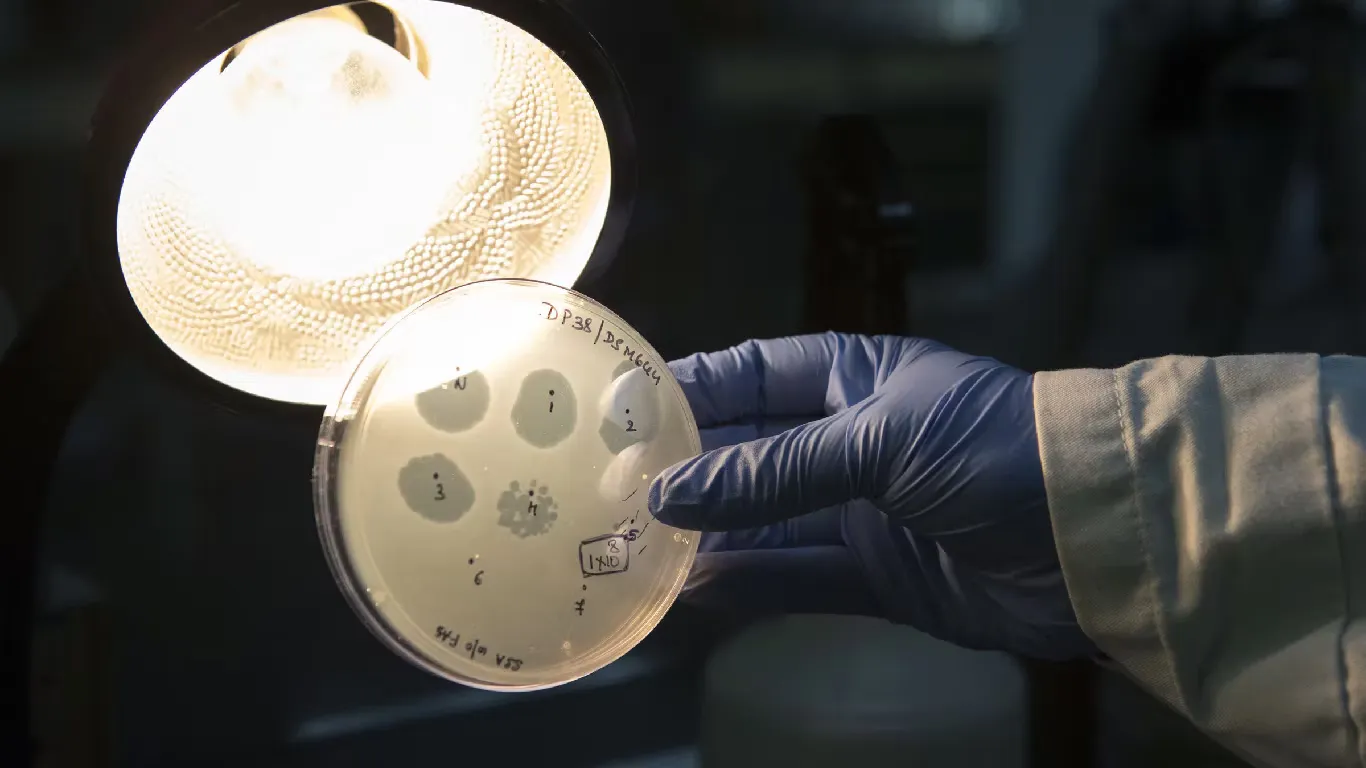
Researchers at Stanford University and the Arc Institute have used artificial intelligence to design 16 new viruses that infect bacteria but do not harm humans. This marks the first time AI has created entire viral genomes that function in laboratory settings. The development could signal a major advance in using AI for disease treatment, but it also raises safety and biosecurity concerns.
Key Highlights
- Stanford and Arc Institute used AI to design 16 new bacteriophage viruses in the lab.
- AI models Evo 1 and Evo 2 generated viral genomes that infect E. coli but do not harm humans.
- Some synthetic viruses outperformed the well-known Phi X-174 bacteriophage in laboratory tests.
- Researchers and experts raised biosafety and biosecurity concerns about AI-designed viruses.
- The study may advance phage therapy but highlights the need for regulation in AI genome design.
AI Designs Functional Viral Genomes
The study focused on bacteriophages, viruses that infect bacteria. Scientists limited the project to these viruses and conducted all work in secure laboratories. The team used genome language models named Evo 1 and Evo 2. These models operate similarly to text-generating AI but analyze DNA sequences instead of language.
The AI models were trained on large datasets of genetic material, including sequences from viruses, bacteria, plants, and humans. Researchers then refined the focus to a specific family of bacteriophages related to Phi X-174, a well-known virus that targets E. coli bacteria.
After training, the AI generated a vast number of potential viral genomes. Scientists screened these results and selected about 300 promising candidates for laboratory testing. They synthesized the DNA and introduced it into E. coli bacteria. Sixteen of these designs produced viable viruses capable of replicating inside bacterial cells.
Some of the synthetic viruses performed better than the original Phi X-174, demonstrating that AI can create effective biological designs rather than merely copying existing ones. One virus carried a unique genetic feature that would have taken natural evolution much longer to develop.
Implications for Medicine and Safety
Brian Hie, an assistant professor at Stanford, described this as a significant step in generative AI's capabilities. He noted that it is the first time AI has designed a complete genome that can replicate and function within cells. Hie said this technology could greatly improve human health by enabling new drugs and therapies.
The research may also support phage therapy, which uses viruses to target harmful bacteria, including those resistant to antibiotics. However, the study has prompted concerns about biosafety and biosecurity. Dr. Thomas Inglesby and Dr. Moritz Hanke from Johns Hopkins University wrote that the findings raise urgent questions about the safe use of AI in creating viral genomes. They warned that designing viruses with the potential to cause disease should not be pursued.
The Stanford team emphasized that their work did not involve viruses that infect humans, animals, or plants. They also clarified that viruses are not living organisms, and designing a living cell would require much more complex genomes.
Context and Future Considerations
This breakthrough follows other advances in AI and biology, such as Google DeepMind's AlphaFold, which predicts protein structures. In 2024, AlphaFold's creators received the Nobel Prize for their work. The ability of AI to design new genomes could lead to further innovation but also highlights the need for careful regulation to prevent misuse.
While the viruses created in this study do not affect humans, the research has started discussions about regulating AI in genome design to address potential risks.
Ad
Ad

Airtel and Croma Offer Up to Rs 23,000 Discount on iPhone Models for Members
Airtel and Croma have launched exclusive offers for Airtel Insiders, providing up to Rs 23,000 off on various iPhone models including the latest iPhone 17 series, with additional cashback and exchange bonuses available.
21-Aug-2026 02:30 AM

IIT Delhi Graduate Hemant Kumar Bhukar Secures AIR 7 in ISRO Scientist Selection
Hemant Kumar Bhukar, an IIT Delhi graduate and Intel engineer, secured All India Rank 7 in the ISRO Scientist ‘A’ selection process while balancing a full-time job, highlighting his disciplined approach and technical expertise.
21-Aug-2026 01:30 AM
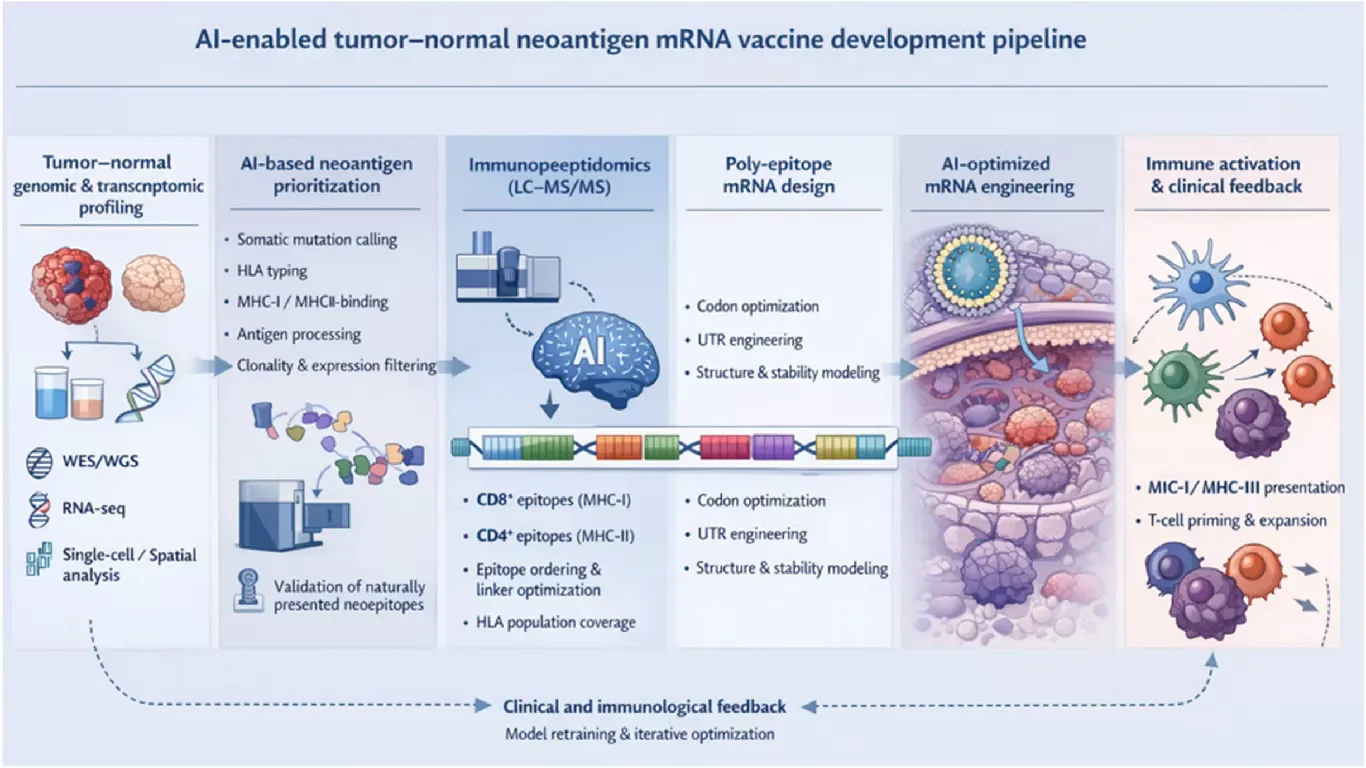
AI’s Role in Cancer Vaccine Sparks Debate on Disease Cures and Timelines
Moderna and Merck’s mRNA vaccine shows promise against melanoma, sparking debate on AI’s role in medical breakthroughs. Tech leaders predict rapid disease cures, but doctors urge caution due to biological complexity.
20-Aug-2026 09:30 PM

Xiaomi Launches Redmi Watch 6 Active with 1.85-inch AMOLED Display and 18-Day Battery Life
Xiaomi has launched the Redmi Watch 6 Active in China for CNY 349. The smartwatch features a 1.85-inch AMOLED display, up to 18 days battery life, over 140 sports modes, and Bluetooth calling support.
20-Aug-2026 08:30 PM
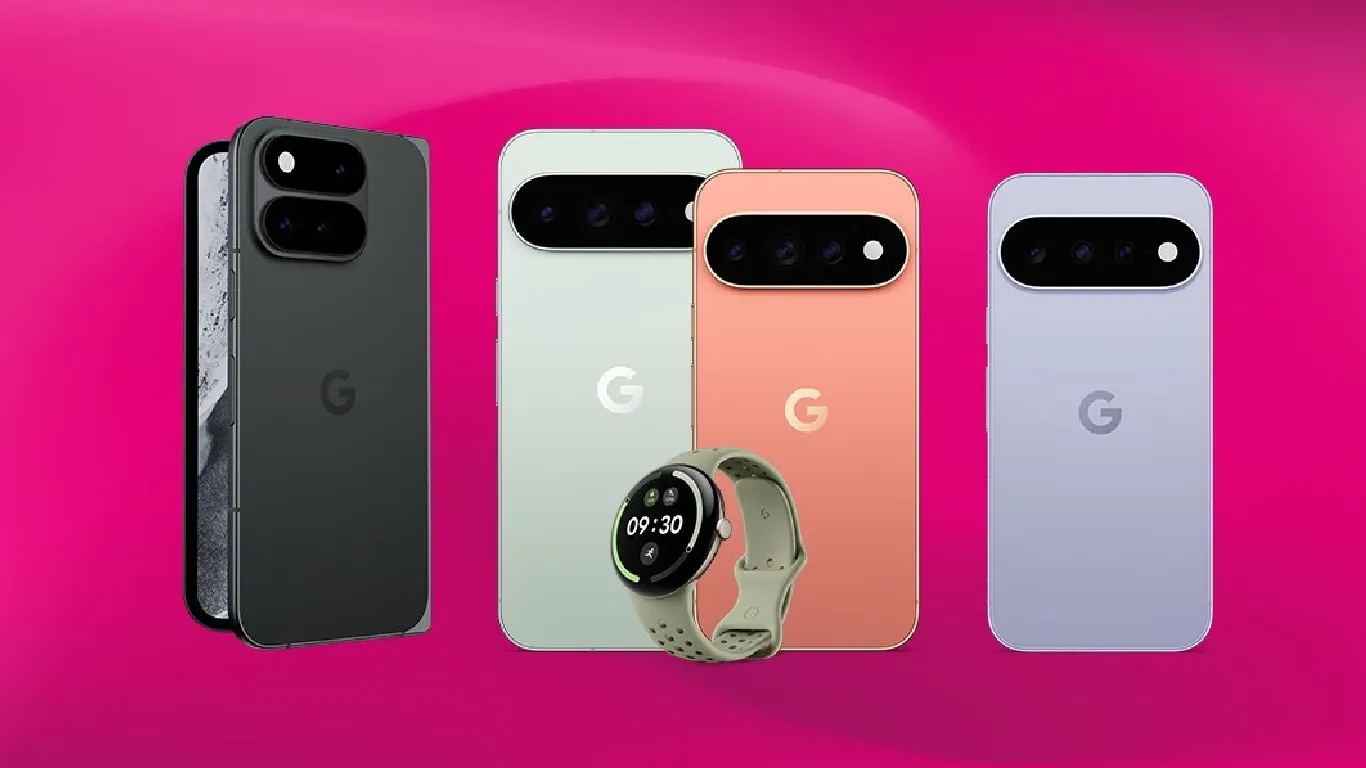
US Carrier Deals for the Latest Pixel 11 Series and Pixel Watch 5
The Pixel 11 series and Pixel Watch 5 are now available in the US, with T-Mobile, AT&T, and Verizon offering significant discounts and trade-in deals. Offers include free devices, monthly credits, and accessory discounts for eligible customers.
20-Aug-2026 01:30 PM

Netflix Co-Founder Reed Hastings Critiques 'Family' Workplace Culture Amid Layoff Trends
Netflix co-founder Reed Hastings criticizes describing workplaces as 'family,' arguing it creates unrealistic expectations during layoffs. He supports a sports team model, as tech industry leaders debate workplace culture amid economic pressures.
20-Aug-2026 02:30 AM
Ad
Ad
Ad






Latest Televisions In India






Upcoming Televisions In India






Ad
Ad
Ad
 |
|
Delente Technologies Pvt. Ltd.
807, 808, 8th Floor,
IRIS Tech Tower Sohna Road Sector 48,
Gurugram, Haryana - 122018