
Ad
How to Prevent iPhone Overheating During Extreme Heat in India
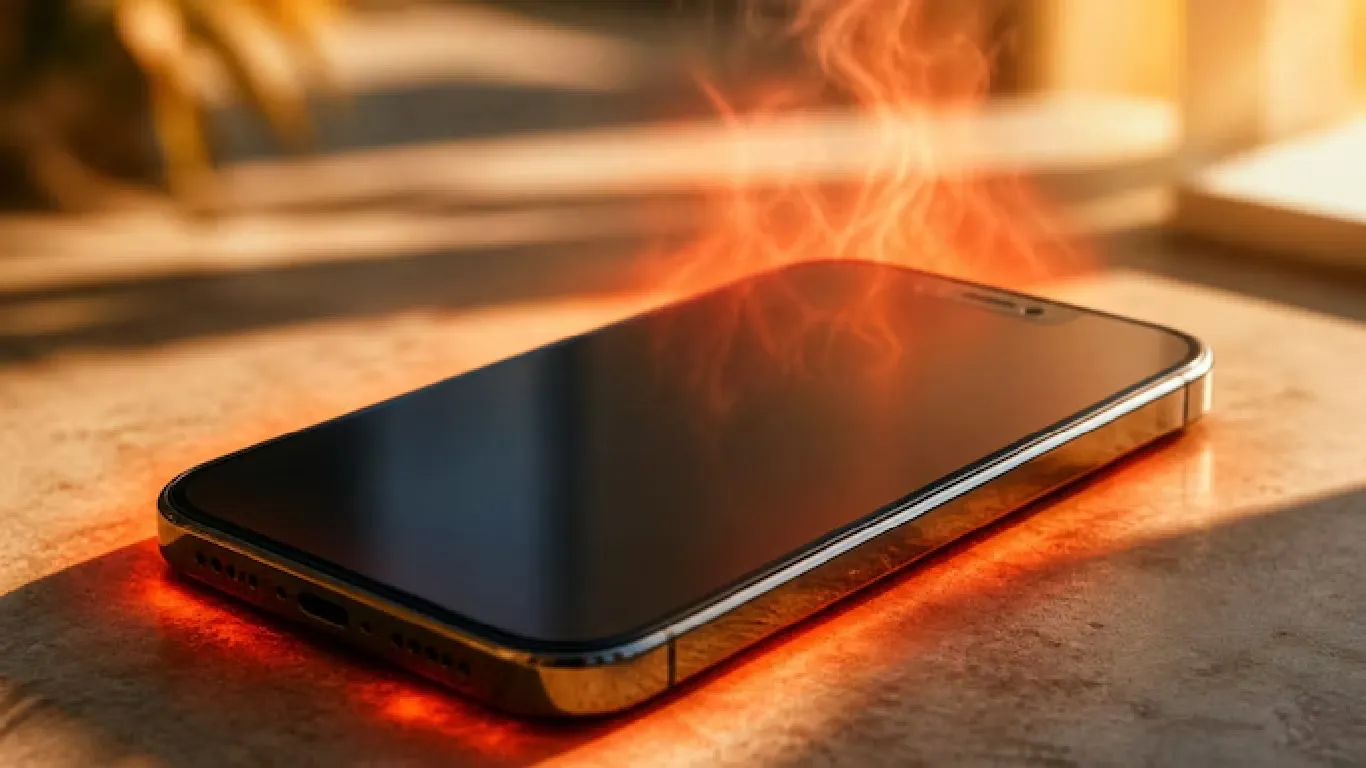
As temperatures in India rise above 45 degrees Celsius, many iPhone users are experiencing overheating issues. High ambient heat puts extra strain on your device's thermal systems. This can affect performance, battery health, and usability.
Key Highlights
- iPhones operate best between 0°C and 35°C ambient temperatures.
- Overheating can cause screen dimming, charging pauses, and performance slowdowns.
- Wireless charging and thick cases can increase device heat.
- Low Power Mode reduces background activity and helps prevent overheating.
- Direct sunlight exposure significantly raises iPhone temperature.
Apple recommends using iPhones in environments between 0°C and 35°C (32°F to 95°F). When temperatures exceed this range, the device's internal safeguards activate to prevent damage. Overheating can result from several factors, including weather, heavy app usage, charging habits, direct sunlight, and background processes.
How iPhones Respond to Overheating
When an iPhone detects high internal temperatures, it enters thermal management mode. This protects the device from damage or fire. Users may notice several warning signs. The screen may dim automatically, making it difficult to see outdoors. This reduces heat from the display, which is a major heat source.
During charging, a "Charging on Hold" notification may appear. This pauses charging until the device cools down. Sometimes, charging is limited to 80% to protect the battery. The camera may lag, and the flash can be disabled. Overall performance may slow, causing apps to load more slowly and scrolling to feel less smooth.
In extreme cases, the iPhone displays a black warning screen with a thermometer icon. Most functions are restricted except for emergency calls until the device cools.
Tips to Prevent iPhone Overheating
To keep your iPhone functional during a heatwave, manage its environment carefully. Avoid using wireless chargers, as they generate more heat. Prefer wired charging, and charge your device in a cool or air-conditioned space.
If your phone has a thick or rugged case, remove it when the device feels warm. These cases can trap heat, acting like insulation. Allowing the metal frame to breathe helps the device cool more efficiently.
Keep your iPhone out of direct sunlight, whether you are outdoors or indoors near windows. When temperatures rise, use Low Power Mode. This reduces background activity and processor speed, helping to prevent overheating.
Recognizing and Responding to Overheating
Watch for signs like automatic screen dimming, charging pauses, or performance slowdowns. If you see the thermometer warning, stop using the device and move it to a cooler place. Allow it to return to normal temperature before resuming use.
By following these steps, you can help protect your iPhone from heat-related issues during extreme weather.
Ad
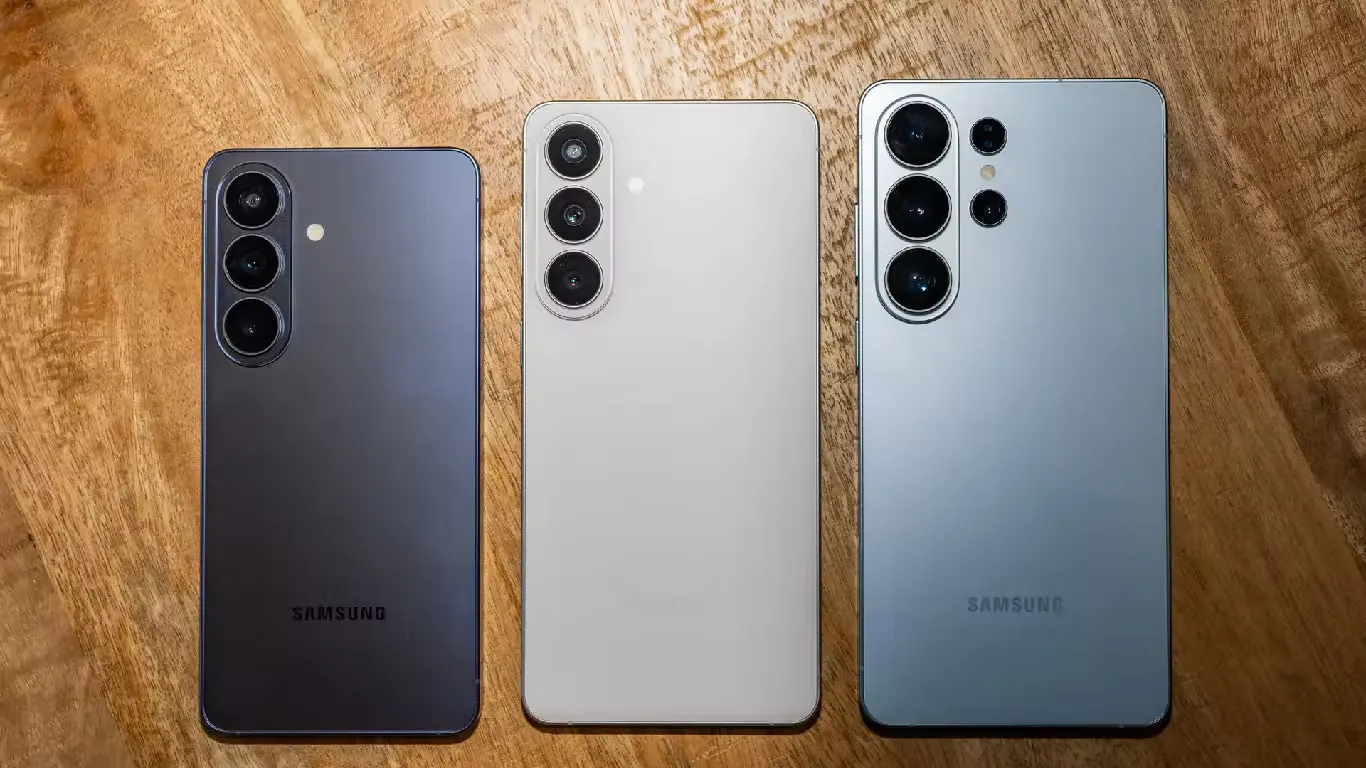
Major Discounts on Samsung Galaxy S26 Series and Competing Smartphones in 2026
Samsung's Galaxy S26 series and other major smartphones from Apple, Google, Xiaomi, and OnePlus are now offered at substantial discounts, with savings up to £250 on select models, reflecting increased competition in the mobile market.
02-May-2026 05:30 AM

Global Debate Grows Over Access to Anthropic’s Claude Mythos AI System
Anthropic’s Claude Mythos AI, known for detecting critical software vulnerabilities, is available only to select US companies. India and other nations seek access, while the US restricts expansion due to security and strategic concerns.
02-May-2026 03:30 AM
Why Smartphones Remain Unmatched Despite Efforts to Replace Them
Smartphones remain the most successful gadget, with Apple iPhone revenue up 22 percent and global sales nearing 1.5 billion units annually. Despite new AI-first devices in development, no alternative matches the smartphone's versatility or market size.
02-May-2026 02:30 AM
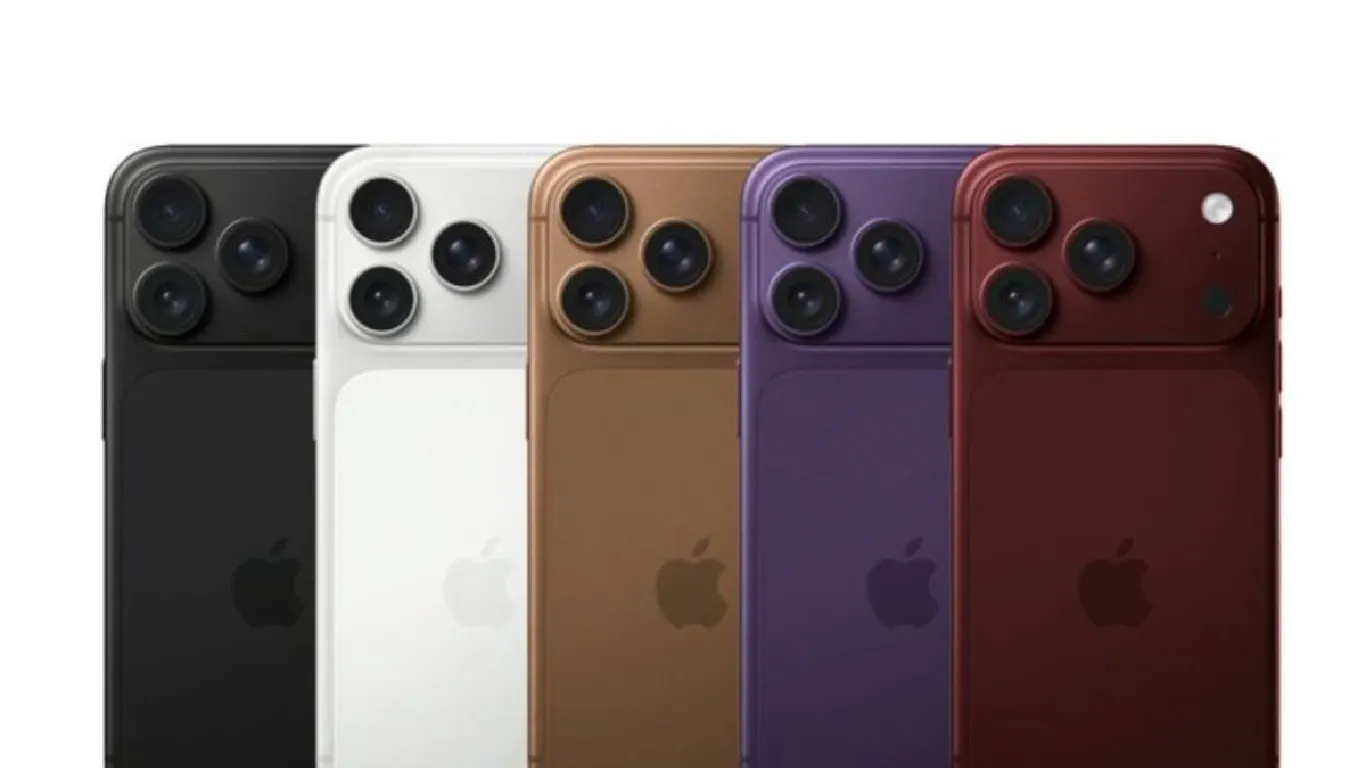
Apple May Keep iPhone 18 Pro Prices Steady Despite RAM Cost Increases
Apple is likely to maintain the iPhone 18 Pro and Pro Max starting prices in the US, despite rising RAM costs. Higher storage variants may see price increases, as Apple adopts an aggressive pricing strategy for its upcoming models.
02-May-2026 02:30 AM
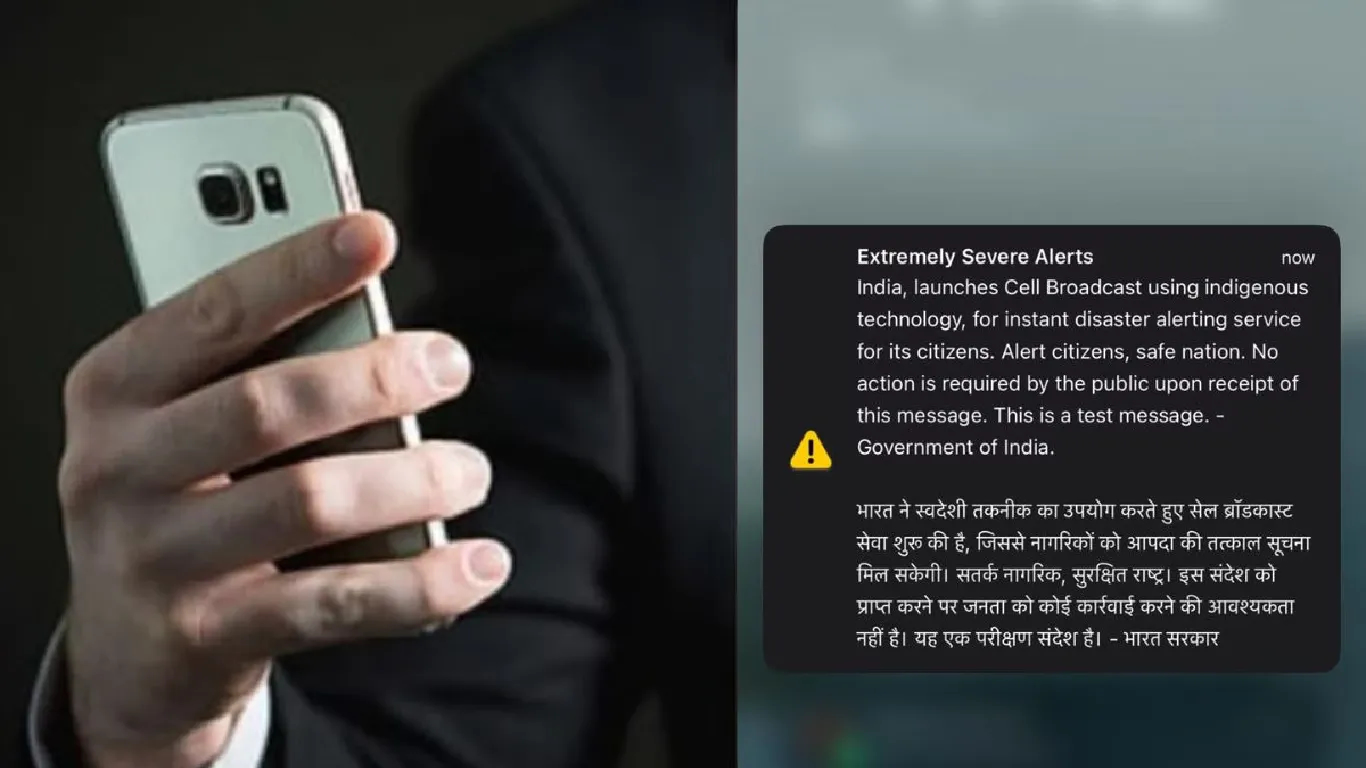
NDMA Emergency Alert on Phones: What It Means and What to Do
The NDMA is testing a new Cell Broadcast emergency alert system in India, sending real-time notifications to mobile users in specific areas. These alerts are part of a government trial and require no action from recipients.
02-May-2026 01:30 AM
India Conducts Nationwide Mobile Disaster Alert System Trial Using Cell Broadcast Technology
India's government conducted a nationwide test of its mobile-based disaster alert system, using SMS and Cell Broadcast technology to deliver emergency alerts in multiple languages to users across all states and union territories.
02-May-2026 01:30 AM
Ad
Ad






Latest Televisions In India






Upcoming Televisions In India





Ad
Ad
 |
|
Delente Technologies Pvt. Ltd.
807, 808, 8th Floor,
IRIS Tech Tower Sohna Road Sector 48,
Gurugram, Haryana - 122018