
Ad
Ad
US Accuses Moonshot AI of IP Theft Over Kimi K3 Model Amid Industry Pushback
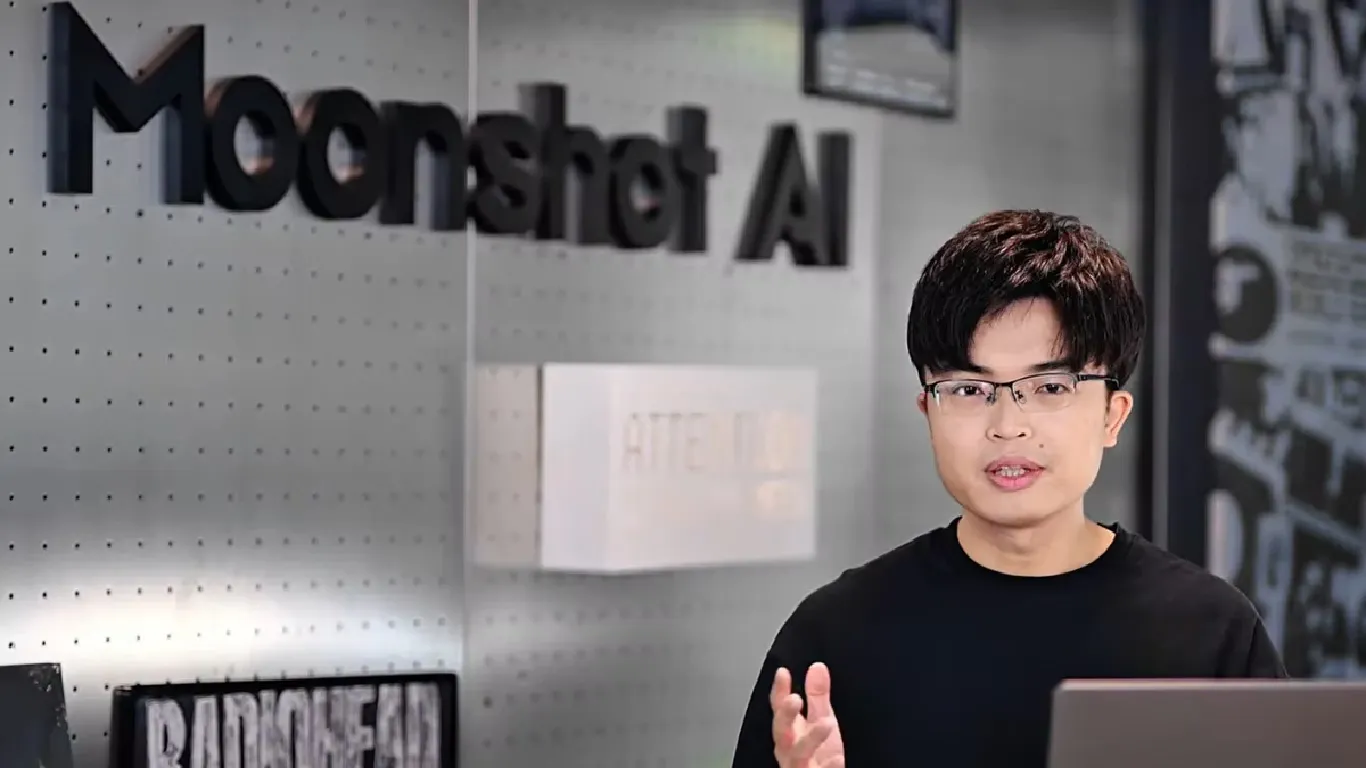
The United States has accused Chinese AI startup Moonshot AI of stealing intellectual property. Officials claim Moonshot AI built its latest model, Kimi K3, using technology derived from Anthropic's AI models. This accusation has renewed calls in Washington for stricter measures against Chinese AI companies.
Key Highlights
- US accuses Moonshot AI of using Anthropic's Fable model to develop Kimi K3.
- Officials allege Moonshot AI used Nvidia GB300 servers for large-scale AI model distillation.
- Nvidia CEO Jensen Huang and Elon Musk oppose broad restrictions on Chinese open-weight AI models.
- Nearly 200 Silicon Valley companies urge targeted safeguards instead of a blanket ban.
US Allegations Against Moonshot AI
Michael Kratsios, Director of the White House Office of Science and Technology Policy, stated that Moonshot AI used Anthropic's Fable AI model to develop Kimi K3. He said the administration has evidence that Moonshot AI created a sophisticated internal platform for large-scale distillation of US AI models. This platform allegedly allowed the company to switch methods and avoid detection.
Kratsios also claimed that Moonshot AI acquired Nvidia GB300-equipped servers and accessed additional GB300 systems in Thailand for model training. While acknowledging that AI distillation is a common practice for creating efficient models, he argued that Moonshot AI engaged in "large-scale, covert industrial distillation" aimed at stealing proprietary US technology.
US Treasury Secretary Scott Bessent confirmed that the administration is investigating whether Chinese AI firms improperly distilled American models. Companies found guilty of intellectual property theft could face sanctions. However, the US is not planning a blanket ban on Chinese AI models or companies. Instead, targeted restrictions may be imposed to reduce American reliance on Chinese AI platforms.
Industry Response and Open-Weight AI Debate
Kimi K3, Moonshot AI's latest open-weight large language model, stands at the center of the controversy. Open-weight models allow developers to download, customize, and run them on their own infrastructure. US officials are concerned that Kimi K3 may have been built using improperly obtained American technology. They also worry that China's AI sector is quickly narrowing the gap with the US.
Despite these concerns, many US tech leaders oppose broad restrictions. Nvidia CEO Jensen Huang told Axios that American companies should be allowed to use Chinese AI models. He argued that banning these models would be counterproductive. Huang described Chinese open-source AI as "excellent" and said downloading such models does not automatically create security risks. He believes open models improve security because researchers can inspect and strengthen them.
Huang also stated that affordable and accessible AI models like Kimi K3 could increase demand for Nvidia's chips and infrastructure. Tesla CEO Elon Musk supported Huang's view, agreeing that the US should not fear Chinese AI models.
Silicon Valley's Position
Nearly 200 Silicon Valley companies, including Y Combinator and Proton, have urged the administration not to restrict access to Chinese open-weight AI models. In letters organized by the Little Tech Association, these companies said American startups depend on affordable open AI models. They warned that broad restrictions would harm US innovation more than China's. Instead, they called for targeted safeguards against intellectual property theft while maintaining access to widely available AI models.
Ad
Ad
Is Your Sony TV Having HDMI Audio Issues? A Fix Might Finally Be Here
Sony is rolling out firmware updates for select Bravia TVs affected by HDMI audio sync and Dolby Vision problems. Here is what owners need to know.
21-Sep-2026 09:01 AM
Indians Are Flying To Dubai For Cheaper iPhones. Does The Math Work Out?
Indians are travelling to Dubai for cheaper iPhone 18 Pro models. Here is the India-UAE price gap and whether the savings can cover travel costs.
21-Sep-2026 08:48 AM
Google Pixel 11 Pro vs Pixel 10 Pro: Detailed Comparison of Features and Performance
The Google Pixel 11 Pro offers incremental upgrades over the Pixel 10 Pro, including better CPU performance, improved battery life, higher wireless charging speeds, and enhanced camera features, but at a higher price.
17-Sep-2026 04:30 PM
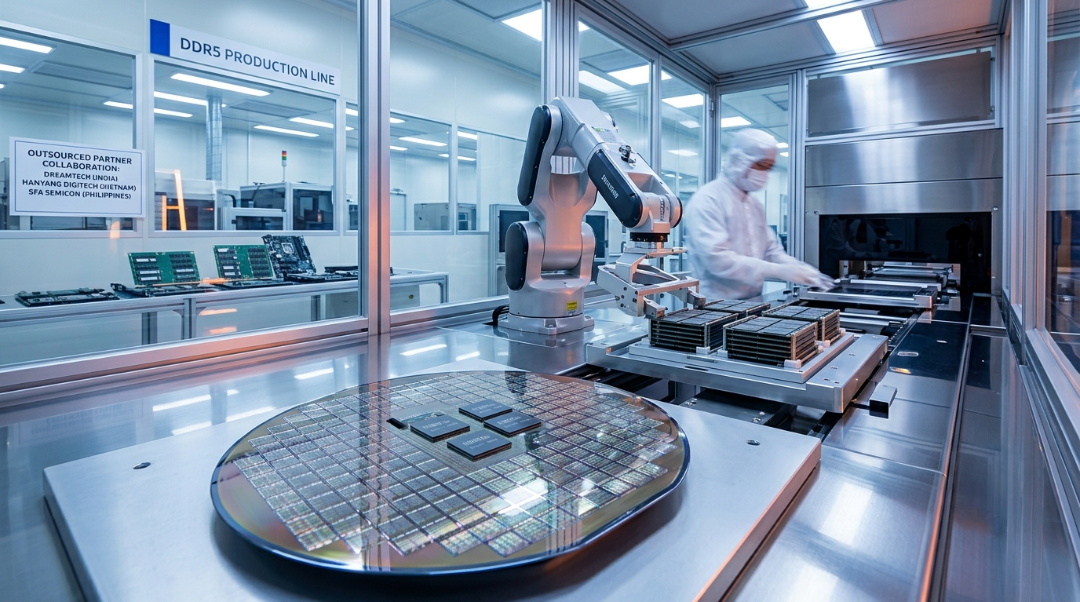
Samsung Shifts Focus to HBM Memory Production Amid Rising AI Hardware Demand
Samsung is shifting its focus to HBM memory chip production to meet growing AI hardware demand, urging partners to accelerate DDR5 lines and collaborating with firms in India, Vietnam, and the Philippines to support this transition.
17-Sep-2026 03:30 PM
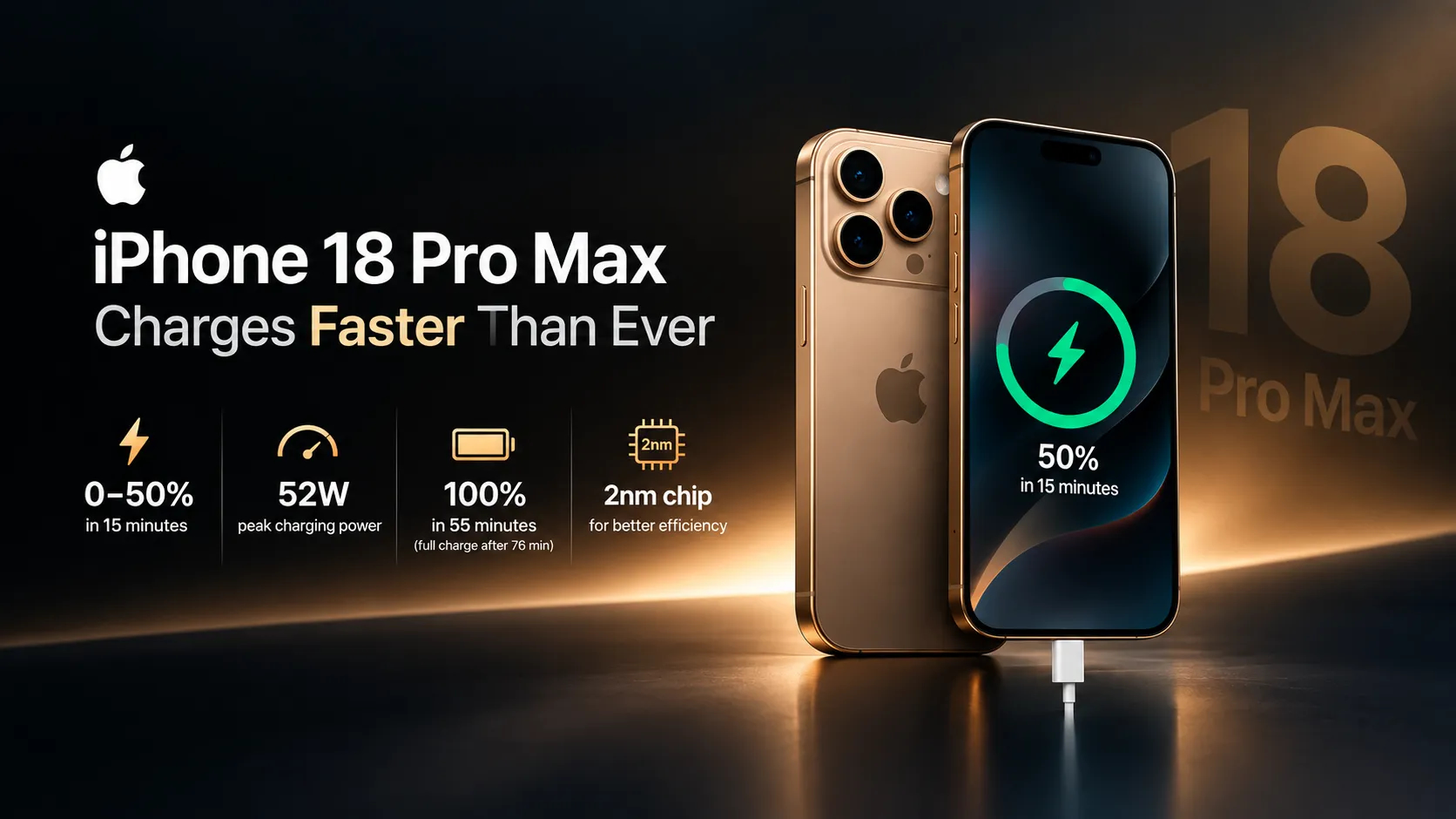
iPhone 18 Pro Max Sets New Charging Speed Record for Apple Devices
The iPhone 18 Pro Max achieves 50 percent charge in 15 minutes and can reach a peak of 52W charging power, marking a significant improvement over previous iPhone models and reflecting Apple’s focus on faster charging.
16-Sep-2026 06:30 PM
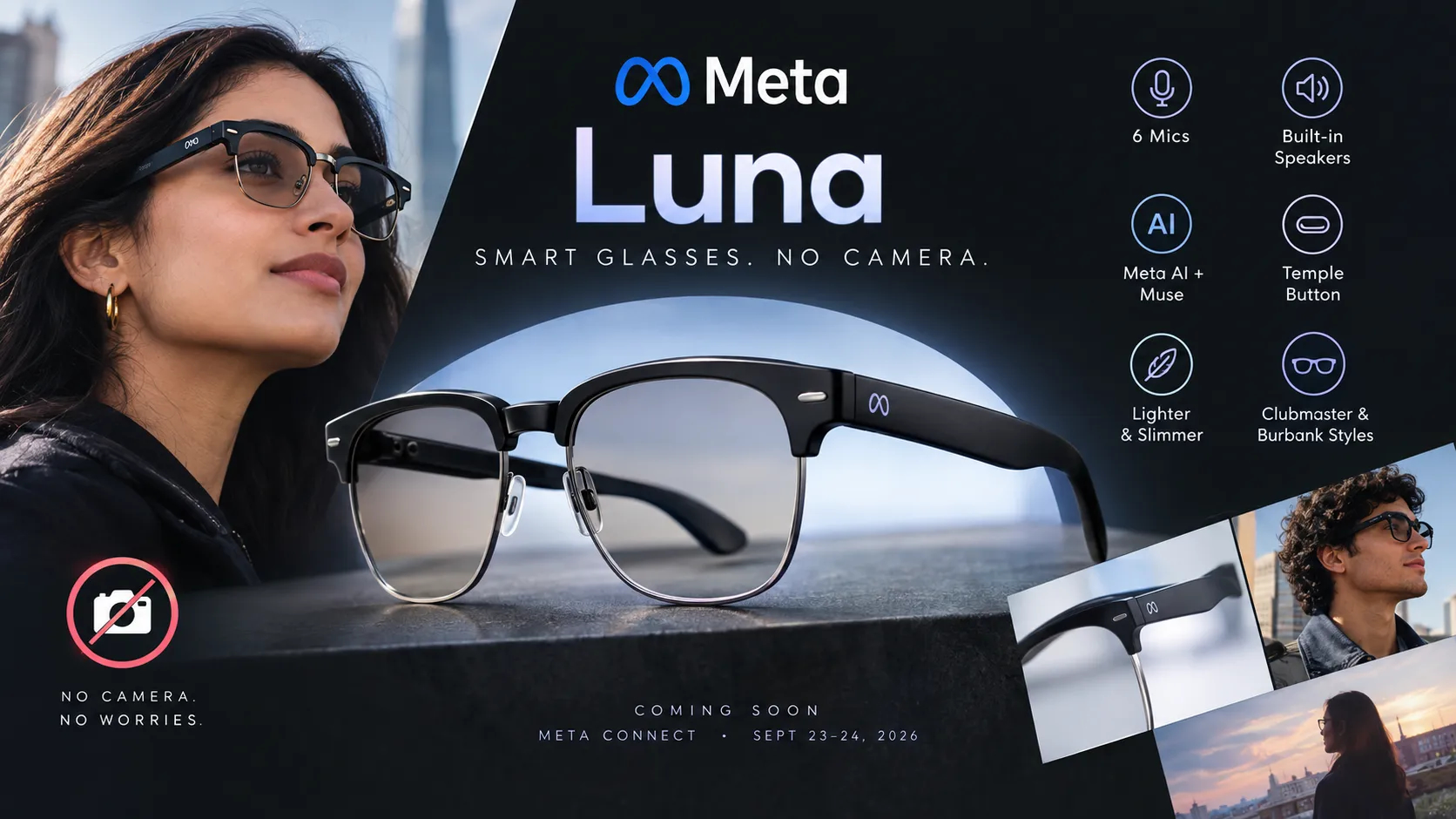
Meta Luna Smart Glasses Without Camera Expected to Launch in October 2026
Meta is set to launch the Luna smart glasses without a camera, featuring six microphones, speakers, and Meta AI integration. The device will be announced at Meta's developer conference in September and is expected to ship in October 2026
16-Sep-2026 03:30 PM
Ad
Ad
Ad

Latest Televisions In India


Upcoming Televisions In India

Ad
Ad
Ad
 |
|
Delente Technologies Pvt. Ltd.
807, 808, 8th Floor,
IRIS Tech Tower Sohna Road Sector 48,
Gurugram, Haryana - 122018