
Ad
High Cost of AI Tools Deepens Divide Between Rich and Poor Users

Recent reports highlight a growing divide in the workplace regarding the effectiveness of AI tools. A survey cited by The Guardian found that most employees do not see time savings from AI. In contrast, about 92 percent of c-suite executives believe AI increases their productivity. This contrast raises questions about who truly benefits from AI advancements.
Key Highlights
- Survey shows 92 percent of c-suite executives find AI increases productivity while most employees do not
- Premium AI tools like Claude Opus cost Rs 2,000 per month, limiting access for many users
- Free AI versions offer limited features and usage, restricting their effectiveness for complex tasks
- Experts warn that high AI costs may widen the gap between rich and poor both within and between countries
Access to Advanced AI Tools
The disparity may stem from access to premium AI models. Many employees use free versions of AI tools like ChatGPT or DeepSeek, which have limited capabilities. In comparison, some executives and AI enthusiasts pay for advanced subscriptions. For example, a journalist pays Rs 2,000 per month, or Rs 24,000 annually, for Claude Opus. This subscription offers more powerful features and fewer restrictions. Other AI tools, such as Seedance for video generation, can cost as much as Rs 16,000 per month.
These prices are significant, especially in India, where Rs 2,000 per month is a steep cost for many. Paid plans for ChatGPT and Google Gemini are similarly priced. Free versions often restrict users to older models and impose usage limits, making them less effective for complex tasks. Only those who can afford paid subscriptions can fully leverage AI's capabilities.
Different Uses Among Income Groups
The divide is not only about access but also about how AI is used. Employees may use AI for routine tasks like drafting emails or preparing reports. These tasks do not showcase AI's full potential. In contrast, wealthier users and executives use AI for complex tasks such as data analysis, investment decisions, and coding. For example, an executive used Claude to analyze airline stocks and made a profitable investment based on its recommendation.
Software engineers and IT professionals, often among the highest earners, find AI especially useful in coding and technical work. These tasks align well with AI's strengths. As a result, AI appears more 'magical' to those whose work matches its capabilities.
Widening Socioeconomic Gaps
The high cost and specialized use of AI tools risk widening the gap between rich and poor. Experts like AI pioneer Jeffrey Hinton have warned that AI could increase global inequality. In 2025, Hinton stated, “AI will make a few people much richer and most people poorer.” A recent UN report also noted that AI is creating a gulf between wealthy and developing nations, with rich countries adopting AI at a much faster rate.
Author Yuval Noah Harari warned in 2016 that technological progress could leave many behind. Today, access to advanced AI tools is often limited to those who can afford high subscription fees. This trend may further entrench existing socioeconomic divides, both within countries and globally.
Ad
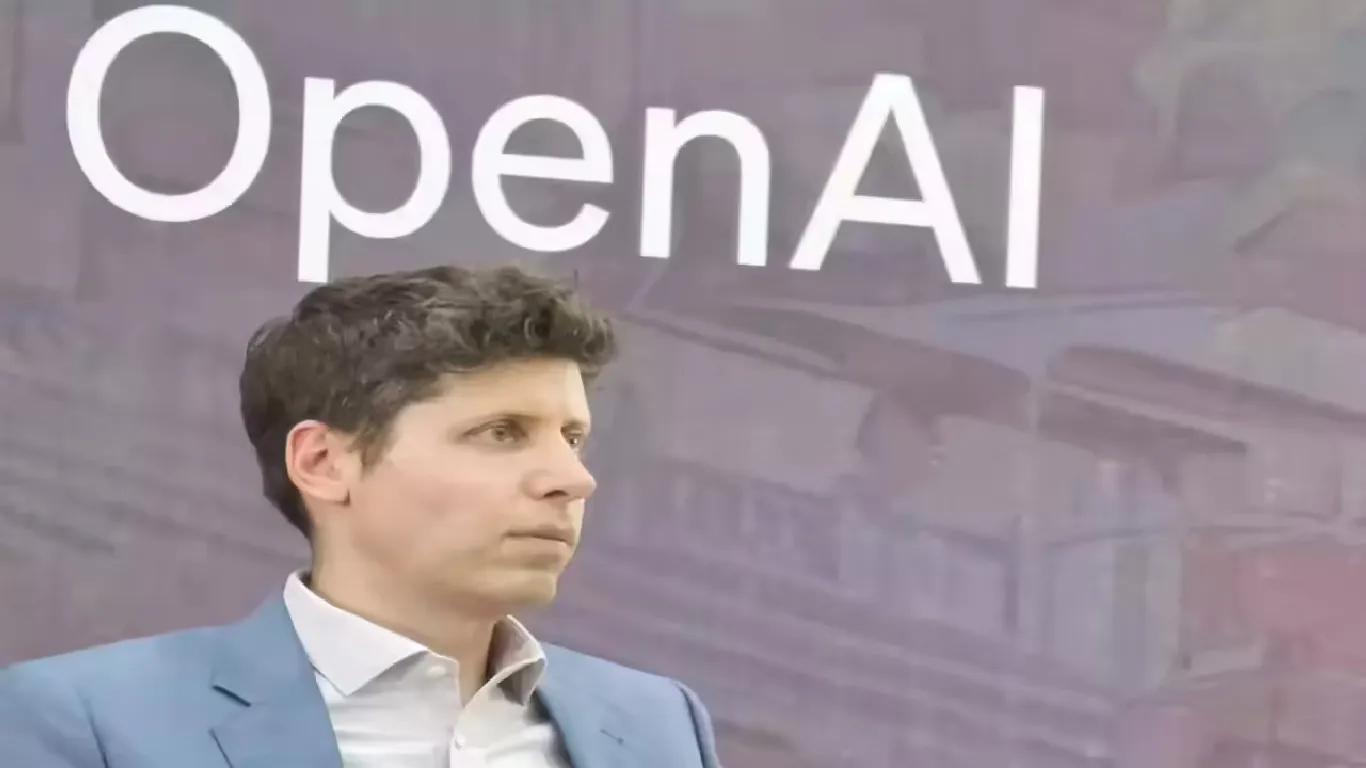
Three Senior Executives Resign from OpenAI Amid Restructuring and Investor Scrutiny
Three senior OpenAI executives have resigned as the company restructures, narrows its focus, and faces investor scrutiny. The departures highlight ongoing questions about leadership and OpenAI’s business direction ahead of a possible IPO.
18-Apr-2026 04:30 AM

India Drops Plan for Mandatory Aadhaar App on Smartphones After Industry Pushback
The Indian government has dropped its plan to mandate the Aadhaar app on new smartphones after industry opposition. The decision follows feedback from major manufacturers, with concerns about privacy, security, and production costs.
18-Apr-2026 02:30 AM
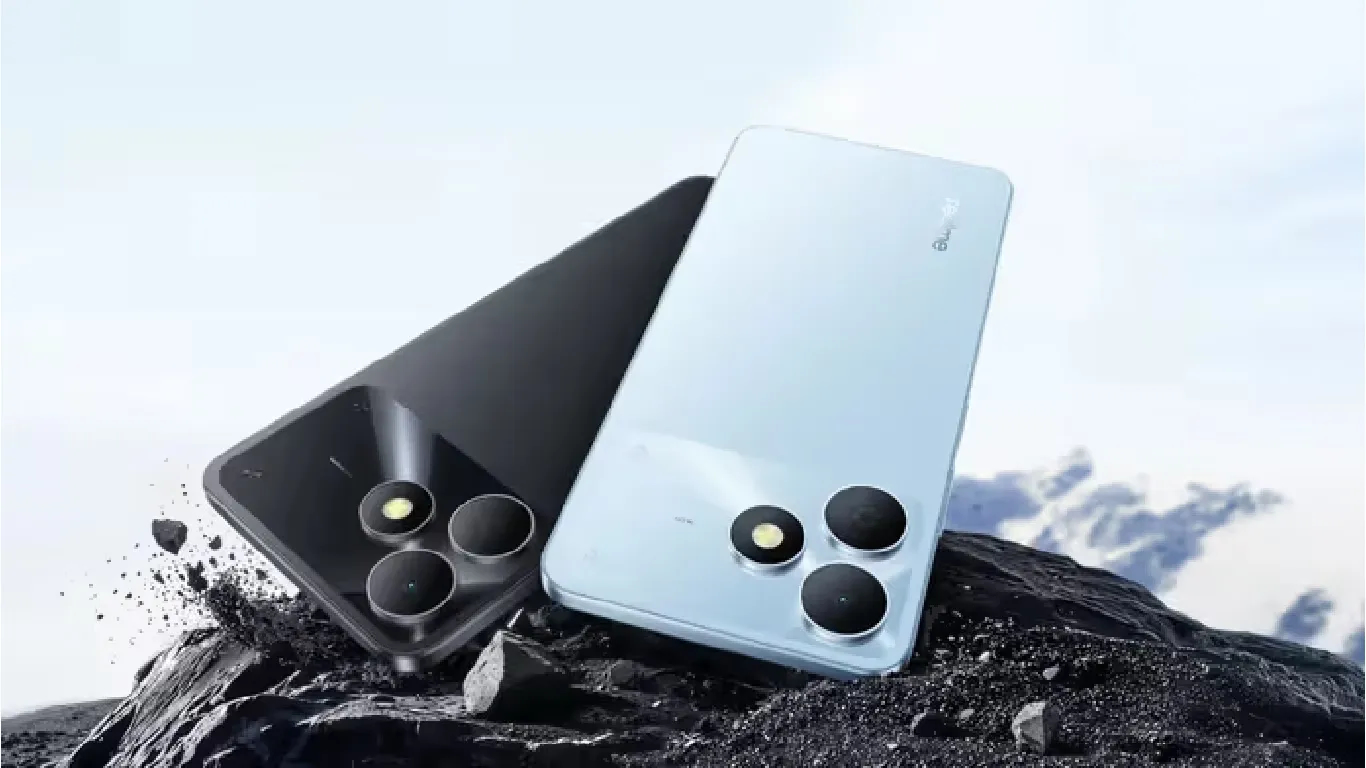
Realme C81 Expected to Launch Soon with 6.74-inch Display and 6,300mAh Battery
The Realme C81 is expected to launch soon with a 6.74-inch 90Hz LCD, 4GB RAM, up to 128GB storage, and a 6,300mAh battery. The device may be a rebranded Note 80, sharing the same model number.
18-Apr-2026 02:30 AM

Meta Plans Major Job Cuts in May Amid Shift to Artificial Intelligence
Meta is set to lay off around 8,000 employees, or 10 percent of its workforce, starting 20 May. The cuts are part of a broader shift toward artificial intelligence investment and internal restructuring, with more layoffs possible in 2026.
18-Apr-2026 12:30 AM

High Cost of AI Tools Deepens Divide Between Rich and Poor Users
A recent survey reveals most employees see little benefit from AI, while 92 percent of executives report productivity gains. High costs for advanced AI tools limit access, raising concerns about widening socioeconomic gaps.
18-Apr-2026 12:30 AM

Anthropic Launches Claude Design AI Tool for Easy Visual Content Creation
Anthropic has introduced Claude Design, an AI tool for creating visual content. It enables users to generate and refine designs from prompts, supports team collaboration, and integrates with Canva. The tool is rolling out to select subscribers.
17-Apr-2026 11:30 PM
Ad
Ad






Latest Televisions In India






Upcoming Televisions In India





Ad
Ad
 |
|
Delente Technologies Pvt. Ltd.
807, 808, 8th Floor,
IRIS Tech Tower Sohna Road Sector 48,
Gurugram, Haryana - 122018