



Ad
Articles
Best Budget Phones for Professional Content Creators in India



You don't necessarily need an expensive flagship smartphone to start creating professional-looking content. For Instagram Reels, YouTube Shorts, photography, vlogging and mobile editing, several older premium and mid-range smartphones still offer capable cameras, high-quality displays and enough performance for everyday creator workflows.
In this comparison, we look at three phones with different strengths: the Google Pixel 8a, Samsung Galaxy A54 5G and Motorola Edge 70 Pro. The Pixel 8a focuses heavily on computational photography and video, Samsung brings a versatile camera setup and AMOLED display, while Motorola adds a large pOLED screen, stylus and expandable storage.
Quick Comparison
Phone | Best For | Main Camera | Front Camera | Display |
Google Pixel 8a | Photography & AI editing | 64MP + 13MP | 13MP | 6.1-inch OLED, 120Hz |
Samsung Galaxy A54 5G | Reels & everyday video | 50MP + 12MP + 5MP | 32MP | 6.4-inch Super AMOLED, 120Hz |
Motorola Moto G Stylus 5G (2024) | Vlogging & mobile editing | 50MP OIS + 13MP | 32MP | 6.7-inch pOLED, 120Hz |
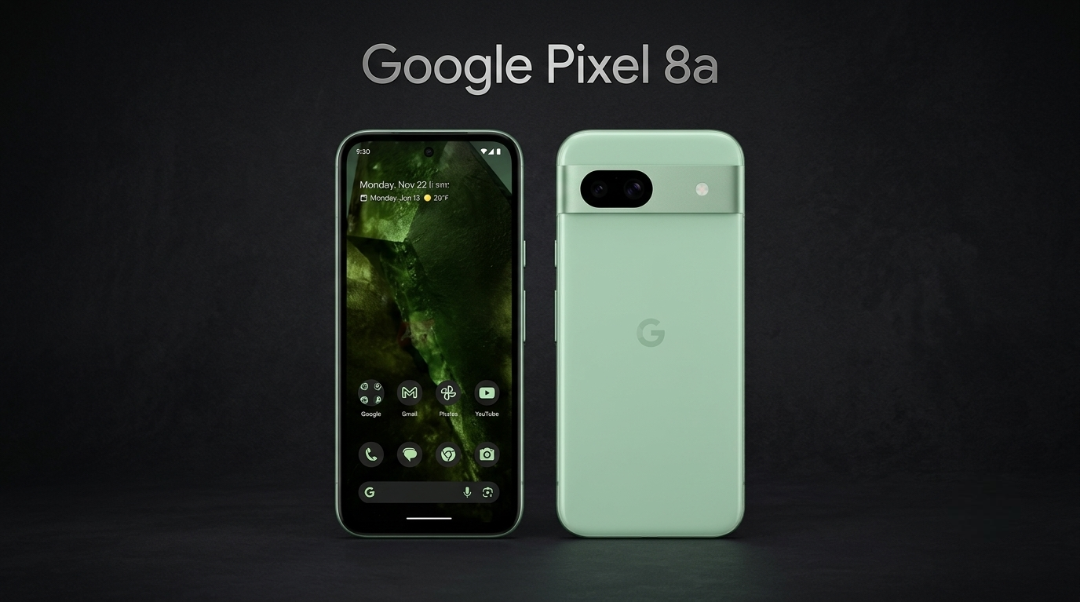
Google Pixel 8a
Google Pixel 8a is a compact creator phone built around Google's computational photography and AI editing tools, powered by the Tensor G3 chip with a smooth 120Hz OLED display.
Price: starts at ₹36,999
Key Features:
- 64MP wide + 13MP ultrawide dual camera with Night Sight, Portrait Mode, and 8x Super Res Zoom
- 4K video recording at up to 60fps — great for YouTube and short-form content
- Tensor G3 processor with 8GB RAM and a 6.1" 120Hz OLED display
Creator Perks:
- AI-powered photography and editing tools for Instagram-ready shots
- Wireless charging + IP67 water/dust resistance
- 7 years of OS, security, and Feature Drop updates
Best for: Photography, Instagram content, AI-assisted editing, and compact shooting setups.
Samsung Galaxy A54 5G
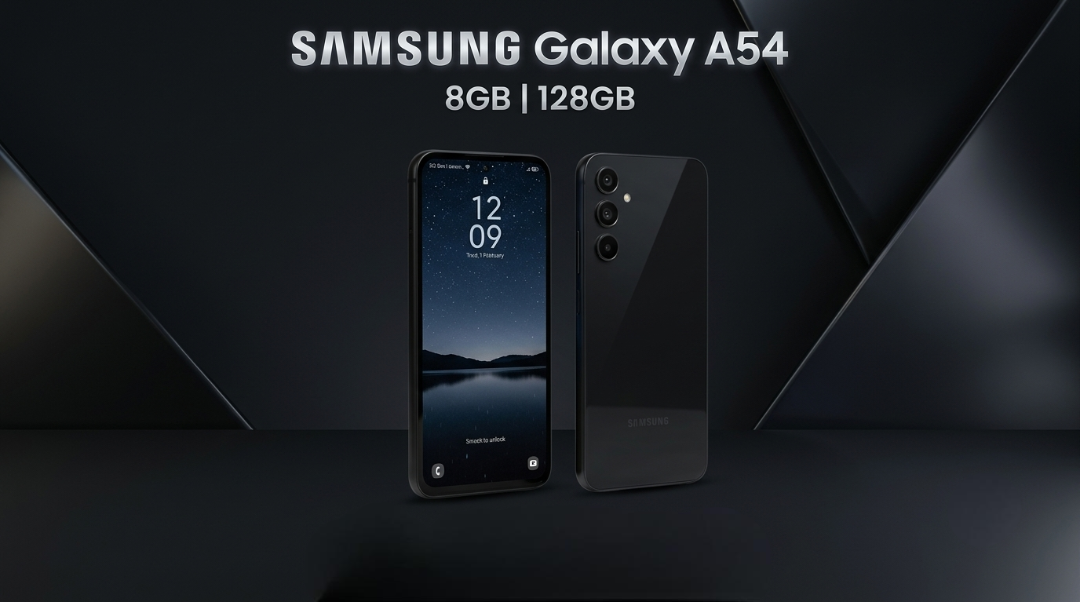
A well-rounded creator phone with a versatile triple-camera setup and vibrant AMOLED display, ideal for everyday content creation and social-media shooting.
Price: starts at ₹33,990
Key Features:
- 50MP OIS primary camera + 12MP ultrawide + 5MP macro camera with Nightography for low-light shots
- 6.4" Super AMOLED display with 120Hz refresh rate
- Auto Framing for adjusting zoom/framing during multi-person video recording
Creator Perks:
- 5,000mAh battery + IP67 water/dust resistance
- microSD expansion up to 1TB for local photo/video storage
- 4 Android OS updates + 5 years of security updates
Best for: Instagram Reels, talking-head videos, casual vlogs, and everyday social content.
Motorola Edge 70 Pro
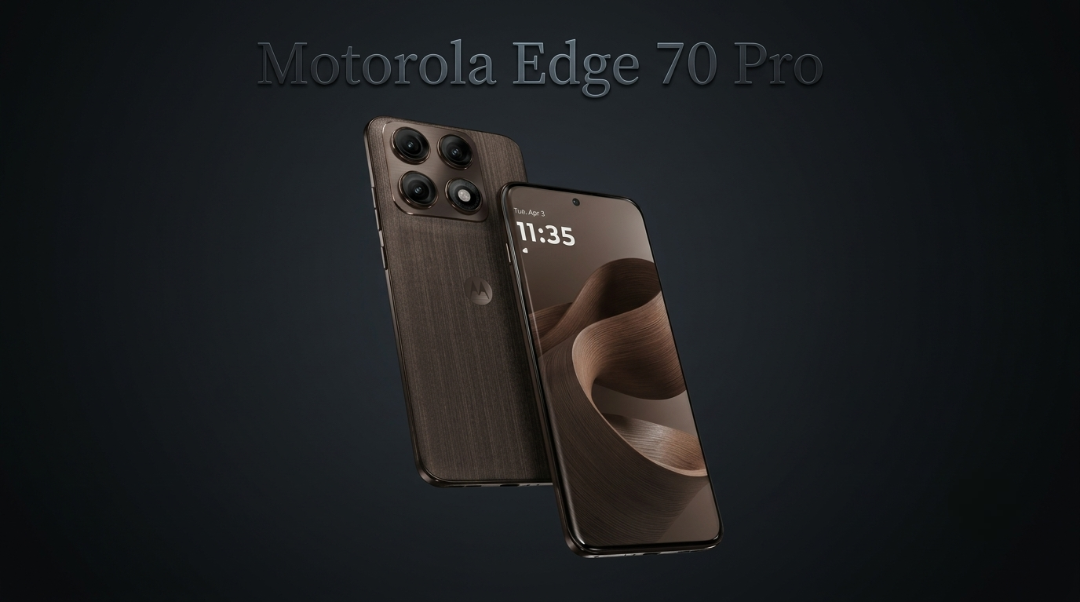
Motorola Edge 70 Pro is a mid-range flagship with a triple 50MP camera system, periscope telephoto lens and a bright 144Hz AMOLED display — built for creators who want reach and detail.
Price: starts at ₹39,950
Key Features:
- Triple 50MP camera (main + ultra-wide + periscope telephoto) with OIS, 4K 60fps video
- 6.8" 1.5K AMOLED display, 144Hz refresh rate, 5200 nits peak brightness
- Dimensity 8500 Extreme chipset with up to 12GB RAM and 256GB storage
Creator Perks:
- 6500mAh battery with 90W fast charging
- IP68/IP69 water & dust resistance
- AI Photo Enhancement and video stabilisation features
Best for: Zoom shots, low-light photography, and 4K vlogging.
Camera Comparison
Camera Feature | Google Pixel 8a | Samsung Galaxy A54 5G | Motorola Edge 70 Pro |
Main Camera | 64MP Quad PD | 50MP OIS | Sony LYTIA 710 |
Ultrawide | 13MP | 12MP | Yes |
Telephoto | No | No | Yes |
Front Camera | 13MP | 32MP | Yes |
OIS | Yes | Yes | Yes |
4K Video | Up to 60fps | Up to 30fps | Yes |
Best For | Photography & AI editing | Everyday content | Video & advanced creation |
Display & Performance Comparison
Feature | Google Pixel 8a | Samsung Galaxy A54 5G | Motorola Edge 70 Pro |
Display | 6.1" OLED | 6.4" Super AMOLED | High-refresh pOLED |
Resolution | 1080 × 2400 | 1080 × 2340 | — |
Refresh Rate | 120Hz | 120Hz | High refresh rate |
Processor | Tensor G3 | Exynos 1380 | Newer-generation chipset |
Best For | AI & photo editing | Everyday editing | Heavy editing & multitasking |
Which Phone Is Better for Different Types of Creators?
For Instagram Reels
Look for good stabilisation, reliable autofocus and strong processing. The Pixel 8a and Edge 70 Pro are particularly relevant here.
For Photography
The Pixel 8a's computational photography and AI editing tools make it a strong fit for creators who shoot, edit and publish primarily from their phone.
For Vlogging
Battery life, front-camera quality, stabilisation and audio become more important. The Edge 70 Pro's large battery gives it an advantage for longer shooting sessions.
For Mobile Editing
The Edge 70 Pro is the more relevant choice for demanding workflows because it is the newest device of the three.
For Beginner Creators
The Galaxy A54 5G can still make sense if available at a suitable price, particularly because of its OIS main camera, AMOLED display and expandable storage.
Things to Check Before Buying a Creator Phone
- Don't buy based only on megapixels: Sensor quality and processing matter.
- Check 4K capabilities: 4K/60fps gives creators more flexibility than 4K/30fps.
- Look for OIS: It can help reduce camera shake when shooting handheld.
- Choose sufficient storage: 256GB is preferable if you regularly record high-resolution video.
- Don't ignore the front camera: Self-shot content and vlogging depend heavily on it.
- Check battery and charging: Shooting and editing can consume power quickly.
FAQs
Which is the best budget phone for content creators?
The answer depends on the type of content. The Pixel 8a is focused strongly on computational photography and AI editing, the Galaxy A54 5G offers a balanced older package, while the Edge 70 Pro targets newer hardware and heavier creator workflows.
Is 4K video important for content creators?
Yes. It gives creators more resolution for cropping and editing, although 1080p can still be sufficient for many social-media uploads.
Is OIS important for smartphone video?
Yes. OIS can help reduce unwanted camera movement during handheld shooting.
Is 256GB storage enough for content creation?
For many creators, 256GB is a practical starting point, but people who shoot large amounts of 4K footage may need additional storage or a regular backup workflow.
Follow Us:



Ad
Recent News

Leak Reveals Key Specs of Upcoming S2 FE With 10,000 mAh Battery
24-Sep-2026 03:30 PM

Qualcomm unveils new Snapdragon flagship chips
24-Sep-2026 11:38 AM

Samsung TVs Will Probably Never Support Dolby Vision: Here’s Why
24-Sep-2026 11:33 AM

Meta Connect 2026: New AI Glasses, VR Glasses & Muse AI
24-Sep-2026 10:30 AM

Realme 16 Pro 5G Harry Potter Edition Sells Out in India Within 24 Hours
24-Sep-2026 07:30 AM

Oppo K14 Plus Launches in India on September 29 with 8,000 mAh Battery
23-Sep-2026 02:30 PM
Ad
Reviews & Guides
View All


Samsung Galaxy Buds 4 Pro Review: Premium Sound And Powerful ANC

Best Battery Life Windows Laptops for Content Creators: 18+ Hours on a Single Charge

Samsung Galaxy S26 Ultra Review: Worth ₹1,39,999 in 2026?

MacBook Neo Review: Design, Display, Performance, Battery And Price

Samsung Galaxy S26 Ultra Review: AI से लेकर प्राइवेसी डिस्प्ले है सबसे खास, जानें कैसी है परफॉरमेंस
Vivo V70 Elite Review 2026: Price in India, Specs, Features

Best Budget Phones for Professional Content Creators in India

iPhone 18 Pro vs iPhone 17 Pro: Price, Specs, Camera & Features

Galaxy S26 FE vs iPhone 17: Price, Specs, Camera & Performance In India

Best Foldable Phones Under ₹1 Lakh in India

Best AI Smartphones Under ₹50,000

Apple AirPods 5: Price in India, Features and Specifications








Ad
 |
|
807, 808, 8th Floor,
IRIS Tech Tower Sohna Road Sector 48,
Gurugram, Haryana - 122018