
comScore Tracking
site logo
search_icon

Ad

Inverter vs Non-Inverter AC: Which One Is Better for Indian Homes in 2026?

author-img
|
Updated on: 17-Feb-2026 09:42 AM
share-icon
youtube-icon

Follow Us:

insta-icon
total-views-icon

1,933 views


Choosing between inverter vs non-inverter AC is key for Indian homes facing hot summers and rising electricity costs. In 2026, with new energy rules from BEE pushing for better efficiency, inverter ACs stand out for saving power and providing steady cooling. Non-inverter ACs may cost less at first but lead to higher bills over time.

This guide compares inverter vs non-inverter AC differences, pros, cons, and helps pick the best Air Conditioner for Indian homes based on usage, budget, and features.

Inverter vs Non-Inverter AC Comparison Table

FeatureInverter ACNon-Inverter AC
Compressor TypeVariable speed (adjusts as needed)Fixed speed (full power or off)
Energy EfficiencyHigh, saves 30-50% on electricityLower, higher power use
Cooling PerformanceSteady temperature, no ups and downsFluctuates, can feel uneven
Noise LevelQuiet operationLouder due to on-off cycles
Initial CostHigher (₹35,000-₹60,000 for 1.5 ton)Lower (₹25,000-₹40,000 for 1.5 ton)
Running CostLower bills long-termHigher bills over time
LifespanLonger (less wear)Shorter (more stress on parts)
Best ForDaily use in hot Indian summersShort use or tight budget

What Is an Inverter AC?

An inverter AC uses a smart compressor that changes speed based on the room's cooling needs. When the room gets hot, it runs faster. Once cool, it slows down without turning off. This keeps the temperature even and uses less power.

Pros of Inverter AC for Indian Homes:

  • Saves energy: In India, where ACs run for hours in summer, inverter models cut electricity use by up to 50%. For a 1.5 ton unit, this means saving ₹2,000-₹4,000 per month on bills, depending on usage.
  • Steady cooling: No sudden hot or cold spots, perfect for families with kids or elders.
  • Less noise: Runs smoothly, good for bedrooms or quiet homes.
  • Longer life: Less on-off cycles mean parts last 8-10 years or more.
  • Eco-friendly: Lower power use helps reduce carbon footprint, aligning with India's green goals.

Cons of Inverter AC:

  • Higher buy price: Costs 20-30% more than non-inverter.
  • Repair costs: If the smart board fails, fixes can be ₹5,000-₹10,000.
  • Needs stable power: In areas with voltage ups and downs, add a stabilizer.

In 2026, inverter ACs make sense for most Indian homes due to high heat and power tariffs. New BEE rules from January 2026 raise efficiency standards, making older models less rated, so inverter ones stay top-rated longer.

What Is a Non-Inverter AC?

A non-inverter AC has a simple compressor that runs at full speed or stops completely. It turns on when the room warms up and off when cool, like a basic fan switch.

Pros of Non-Inverter AC for Indian Homes:

  • Low starting cost: Easier on the pocket for first-time buyers or small budgets.
  • Simple fixes: Parts are cheap and easy to find, repairs under ₹2,000-₹5,000.
  • Good for short use: If you run AC only 2-3 hours a day, like in mild weather areas, it works fine without wasting much power.

Cons of Non-Inverter AC:

  • High power bills: Constant full-speed runs use 30-50% more electricity. In hot places like Delhi or Mumbai, this adds ₹1,000-₹2,000 extra per month.
  • Uneven cooling: Room temperature goes up and down, which can feel uncomfortable.
  • Noisy: Loud start-stop sounds disturb sleep or work.
  • Shorter life: More wear from cycles, lasts 5-7 years.
  • Less efficient: Under new 2026 rules, many non-inverter models drop to lower star ratings, meaning higher running costs.

Non-inverter ACs suit occasional use, like guest rooms or offices with short hours. But for daily Indian home needs, they fall short on savings and comfort.

Key Differences: Inverter vs Non-Inverter AC in Indian Context

Power use is the big gap. Inverter ACs adjust to India's varying heat—full blast in afternoons, slow at night—saving energy. Non-inverter ones waste power by always running max. With electricity costs at ₹6-₹10 per unit in cities, inverter pays back in 2-3 years.

Cooling speed: Inverter cools faster at start, then maintains. Non-inverter takes time but overshoots, making rooms too cold sometimes.

For humid Indian coasts, inverter handles moisture better, reducing damp feel. Non-inverter struggles, leading to mold risks.

Voltage issues: Many Indian areas have power cuts. Inverter ACs restart smoothly; non-inverter may trip breakers.

Under 2026 BEE changes, inverter ACs easily hit 5-star ratings (ISEER 5.0+), while non-inverter often stay at 3-star, using more power.

Here are top picks based on recent launches, focusing on 1.5 ton split ACs (suits 150-200 sq ft rooms). We include mostly inverter for better value, with one non-inverter for budget options. Prices are approximate ex-showroom.

Top AC Models 2026 Table

Model NameTypeStar RatingKey FeaturesPrice Range (INR)Best For
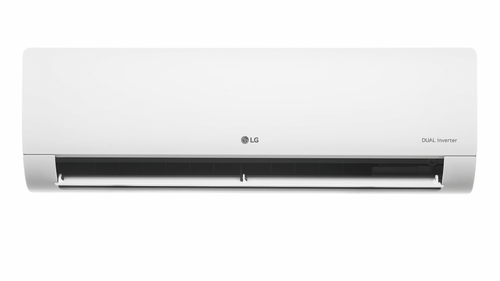
LG 1.5 Ton Dual Inverter Split ACInverter5 StarAI cooling, 4-way swing, PM0.1 filter₹45,000-₹50,000Daily home use, energy save
Daikin 1.5 Ton Inverter Split ACInverter5 StarStreamer tech for clean air, quiet₹42,000-₹47,000Allergies, humid areas
Panasonic 1.5 Ton Inverter Split ACInverter3 StarDustBuster, 8-in-1 convertible, WiFi₹34,000-₹39,000Budget smart home
Voltas 1.5 Ton Fixed Speed Split ACNon-Inverter3 StarBasic cooling, copper condenser₹30,000-₹35,000Occasional use, low budget
Samsung Bespoke AI Inverter Split ACInverter5 StarAI energy mode, WindFree cooling₹50,000-₹55,000Modern homes, app control

Top AC Models 2026 List

1. LG 1.5 Ton Dual Inverter Split AC (TS-Q18YNZE)

LG 1.5 Ton Dual Inverter Split AC (TS-Q18YNZE).png

This recent launch uses dual rotary compressor for fast cooling even at 54°C.
Key Highlights:

  • Power: 1.5 ton, cools up to 200 sq ft.
  • Efficiency: 5-star, ISEER 5.2, saves up to 40% power.
  • Features: AI senses room needs, 4-way air swing, anti-virus filter.
  • Battery Life: Not applicable, but low power mode for backups.
    Performance: Steady cool in Indian heat, quiet at 31 dB.
    Why Buy: Great for families, pays back in savings.
    Price: ₹45,000-₹50,000.
    Verdict: Top pick for balanced cost and features in 2026.

2. Daikin 1.5 Ton Inverter Split AC (JTKJ35l)
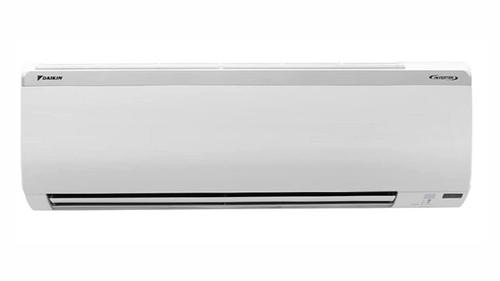
Daikin 1.5 Ton Inverter Split AC (JTKJ35l).png

Known for clean air tech, this model fits new efficiency rules.
Key Highlights:

  • Power: 1.5 ton, variable speed.
  • Efficiency: 5-star, low power use.
  • Features: Streamer discharge kills germs, 3D airflow.
  • Durability: Copper coils resist rust in humid India.
    Performance: Cools fast, maintains even temp.
    Why Buy: Ideal for health-focused homes.
    Price: ₹42,000-₹47,000.
    Verdict: Reliable for long summers.

3. Panasonic 1.5 Ton Inverter Split AC (CS/CU-SU18BKY3T)
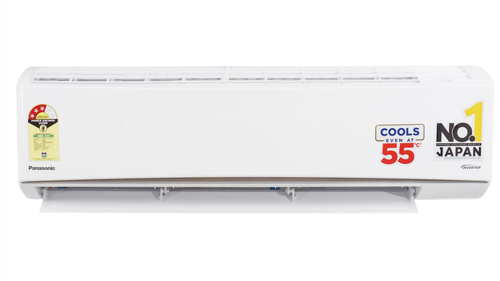
Panasonic 1.5 Ton Inverter Split AC (CSCU-SU18BKY3T).png

Budget-friendly with smart add-ons.
Key Highlights:

  • Power: 1.5 ton, inverter tech.
  • Efficiency: 3-star, good for moderate use.
  • Features: DustBuster filter, 8-in-1 modes, app control.
  • Extra: Works at 55°C, PM0.1 air clean.
    Performance: Quick cool, low noise.
    Why Buy: Affordable smart option.
    Price: ₹34,000-₹39,000.
    Verdict: Entry-level inverter for small families.

4. Voltas 1.5 Ton Fixed Speed Split AC (183 Vectra)
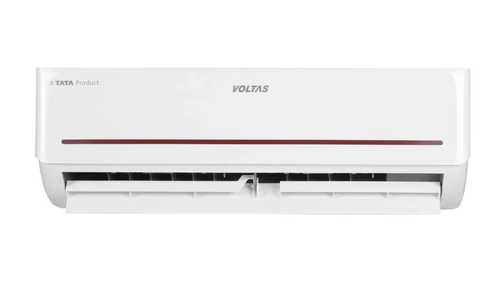
Voltas 1.5 Ton Fixed Speed Split AC (183 Vectra.png

A non-inverter for basic needs.
Key Highlights:

  • Power: 1.5 ton, fixed speed.
  • Efficiency: 3-star, basic savings.
  • Features: Copper condenser, turbo cool mode.
  • Simple: Easy to fix, no fancy tech.
    Performance: Cools well but fluctuates.
    Why Buy: If budget is tight and use is short.
    Price: ₹30,000-₹35,000.
    Verdict: Okay for occasional cooling.

5. Samsung Bespoke AI Inverter Split AC (AR18C)
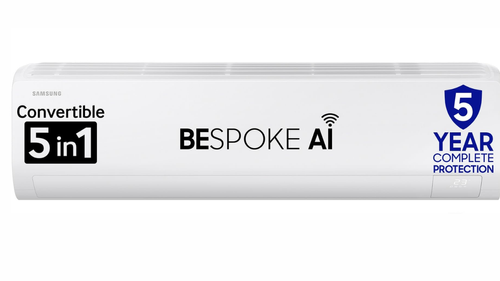
Samsung Bespoke AI Inverter Split AC (AR18C).png

High-end with AI.
Key Highlights:

  • Power: 1.5 ton, smart inverter.
  • Efficiency: 5-star, AI saves extra 20%.
  • Features: WindFree (no direct air), voice control, self-clean.
  • Smart: App tracks power use.
    Performance: Custom cooling for Indian weather.
    Why Buy: For tech-savvy homes.
    Price: ₹50,000-₹55,000.
    Verdict: Future-proof choice.

These models from 2026 launches meet new BEE standards, with inverter ones leading in savings.

  1. Tighter Energy Rules: From Jan 2026, BEE raised star ratings. Old 5-star now 4-star, pushing prices up 10%. Focus on ISEER 5.0+ for savings.

  2. Rise in Inverter Demand: Over 80% sales are inverter, as they cut bills amid ₹6-10/unit power costs. Market grows 12-15% yearly.

  3. Smart and AI Features: Models with apps, voice control, and auto-adjust rise. Helps monitor use in power-scarce areas.

  4. Eco Focus: Copper coils, low-GWP gases common. Government pushes green ACs to cut emissions.

  5. Price Hikes but Savings: AC costs up due to rules and raw materials, but efficient models save ₹10,000-₹20,000 yearly for heavy users.

Choosing the Right AC for Your Indian Home

Use CaseBest TypeWhy
Daily Long HoursInverterSaves power, steady cool
Budget Under ₹35,000Non-InverterLow buy cost, basic needs
Small Room (100-150 sq ft)1 Ton InverterEfficient, fits space
Humid Coastal AreasInverter with FilterBetter moisture control
Tech LoversSmart InverterApp and AI for easy use
Occasional UseNon-InverterNo need for fancy savings

Pick based on room size: 1 ton for small, 1.5 for medium, 2 for large. Check voltage stability too.

Also Read: Oppo K14x 5G vs Realme Narzo 90x 5G vs Redmi 15 5G: Price and Specifications

Final Thoughts: Picking Inverter vs Non-Inverter AC for Indian Homes in 2026

In 2026, inverter ACs are better for most Indian homes due to energy savings, even cooling, and longer life amid hot weather and high bills. Non-inverter suits short use or tight budgets but costs more long-term. With new efficiency rules, go for 5-star inverter models like LG or Daikin to future-proof. Factor in usage—daily? Go inverter. This saves money and keeps homes comfy.

Comparos says: For Indian homes in 2026, inverter ACs offer the best mix of savings and comfort. Pick based on your needs to beat the heat without breaking the bank.

Follow Us:

insta-iconlinkedin-iconfacebook-iconyoutube-icon

Ad

Ad

Explore Mobile Brands

OnePlus
OnePlus
OPPO
OPPO
Vivo
Vivo
Realme
Realme
Samsung
Samsung
LG
LG

Ad

Ad