
Ad
Articles
Budget vs premium washing machines in India 2026 show clear differences in features, build, and cost. If you search for budget washing machines under 15000 or premium washing machines above 30000, you will find options for every home. Budget models focus on basic cleaning at low prices, while premium ones add smart tech, better energy use, and longer life. In 2026, with rising power costs and water needs, picking the right type matters.
This guide covers key differences, recent models, and tips to help you choose the best washing machine for your family.
| Feature | Budget Washing Machines (Under ₹20,000) | Premium Washing Machines (Above ₹30,000) |
|---|---|---|
| Price Range | ₹8,000–₹20,000 | ₹30,000–₹60,000+ |
| Capacity | 6–8 kg, good for small families | 8–12 kg, suits larger families |
| Type | Mostly semi-automatic or basic top load | Front load or advanced top load |
| Motor | Standard motor, may use more power | Inverter or direct drive, saves energy |
| Energy Rating | 3–4 stars, higher bills over time | 5 stars, lower running costs |
| Features | Basic wash modes, no smart options | Steam clean, AI wash, app control |
| Noise Level | Louder during spin | Quiet operation |
| Build Quality | Plastic parts, lasts 5–7 years | Steel drum, lasts 10–15 years |
| Warranty | 1–2 years on machine, 5 on motor | 2–5 years on machine, 10+ on motor |
| Water Use | Higher, 60–80 liters per wash | Lower, 40–60 liters with sensors |
When you compare budget vs premium washing machines, the main points come down to how they work day to day. Budget models get the job done for simple needs, but premium ones make laundry easier and cheaper in the long run. Here is a breakdown in simple terms.
Budget washing machines cost less upfront, making them good for first-time buyers or small homes. For example, a basic semi-automatic model might cost ₹10,000, while a premium front-load one starts at ₹35,000. But premium machines save money over time. They use less power and water, cutting your bills by 20–30% each month. If you do laundry 3–4 times a week, a premium model can pay back the extra cost in 2–3 years through savings. In 2026, with power rates up in cities like Delhi, this matters a lot.
Budget machines use more plastic parts, which can wear out faster. They might last 5–7 years with regular use. Premium ones have steel drums and stronger builds that handle heavy loads without breaking. They resist rust better and come with anti-vibration tech to stop shaking. This means fewer repairs. For instance, premium models from brands like Bosch use German parts for longer life, while budget ones from Godrej focus on basic strength.
Budget washing machines have simple modes like normal or quick wash. They clean well for everyday clothes but struggle with tough stains or delicate fabrics. Premium machines add steam clean to kill germs and remove deep dirt without extra soap. They also have modes for wool, sports wear, or baby clothes. In 2026, many premium models use AI to sense dirt levels and adjust water and time. This gives better results and protects clothes from damage.
A big difference in budget vs premium washing machines is efficiency. Budget models often have 3–4 star ratings, using more power (around 0.8–1 unit per wash) and water. Premium ones are 5-star rated, with sensors that use only what is needed. For example, they might save 20 liters of water per cycle. In areas with water shortages, this is key. Premium inverter motors run smooth and quiet, unlike standard motors in budget machines that make more noise.
Budget machines can be loud during spin cycles, up to 70–80 dB, like a busy street. This is fine if placed in a separate room, but not for open kitchens. Premium models keep noise under 50 dB with better balance and padding. They are easier to use too, with touch screens, auto soap add, and app controls to start washes from your phone. Budget ones need manual water fill in semi-automatic types.
In 2026, premium washing machines lead with smart tech. They connect to Wi-Fi for updates and tips. Some like LG's AI DD sense fabric types and adjust spins to avoid wear. Budget models skip these, sticking to basic dials. If you want voice control or error alerts on your phone, go premium. But for simple needs, budget works fine without extras.
Budget machines offer 1–2 years warranty on the full unit and 5 years on the motor. Premium ones give 2–5 years on the machine and 10–12 years on the motor. Brands like Samsung and LG have wide service networks in India, making fixes easy. Budget brands like Whirlpool also have good support, but premium service is faster with home visits.
Budget models suit 2–4 people with 6–8 kg loads. They handle mixed clothes well but not heavy items like blankets. Premium machines take 8–12 kg and clean better with tumbling action in front loads. Top loads in budget are easier to add clothes mid-wash, while premium front loads save space by stacking with dryers.
Premium washing machines often include UV or steam to kill 99% germs, good for families with kids or allergies. Budget ones rely on hot water if available, but lack advanced clean. In 2026, with more focus on health, premium models add self-clean drums to stop mold.
Think long-term when picking budget vs premium washing machines. A budget model might cost ₹500–700 yearly in power and water. Premium cuts this to ₹300–500. Plus, fewer breakdowns mean less repair money. If you plan to use it for 10 years, premium is smarter.
Here are some recent launches in 2026. These models are picked for good reviews, features, and value. Prices are approx ex-showroom in Delhi.

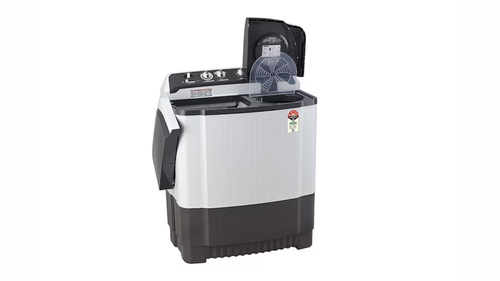
This 2026 model is great for small families. It has a 7kg capacity for daily washes. Key points: Rat away tech to stop pests, wind jet dry for faster drying, and 3 wash modes. It uses less water at 60 liters per cycle. Noise is average, but build is strong for the price. Good for beginners. Price: ₹12,000–₹14,000. Verdict: Simple and reliable for basic needs.

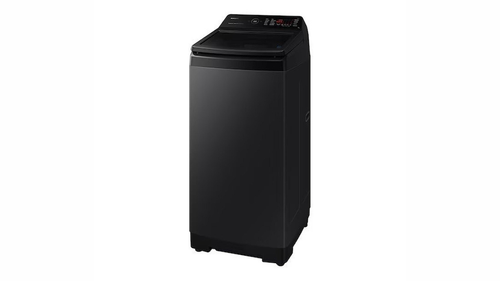
Launched in early 2026, this uses bubble tech for deep clean without hot water. 7.5kg load suits 3–4 people. Features: Digital inverter for quiet runs, quick wash in 30 mins, and diamond drum for gentle care. 4-star energy rating saves bills. Price: ₹15,000–₹18,000. Verdict: Good step up from semi-auto at low cost.

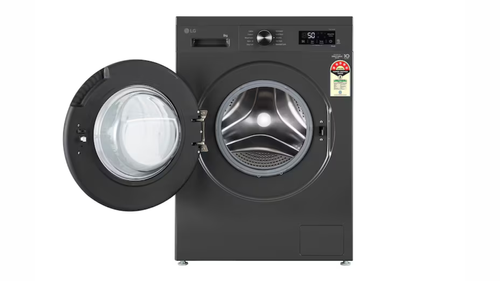
A 2026 release with AI wash that senses soil and adjusts cycles. 8kg for medium families. Key points: Steam for germ kill, inverter motor for low noise (under 50 dB), and 1400 RPM spin for dry clothes. 5-star rating, uses 50 liters water. App control for remote start. Price: ₹32,000–₹35,000. Verdict: Smart and efficient for busy homes.

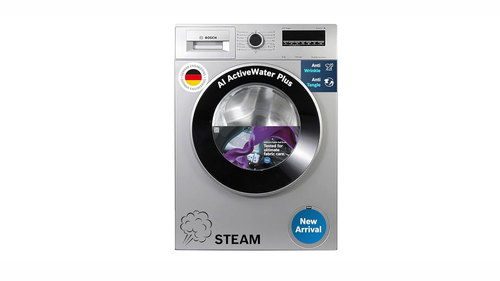
New in 2026, this has ActiveWater to save water based on load. 8kg capacity with anti-vibe walls for no shake. Features: Speed perfect for 60% faster washes, allergy plus mode, and 1200 RPM spin. Strong steel build lasts long. 5-star energy, quiet at 48 dB. Price: ₹30,000–₹34,000. Verdict: Durable choice for quality clean.
Rise of Smart Tech
In 2026, more machines use AI to pick wash settings. Premium models lead, but some budget ones add basic apps.
Focus on Energy Savings
With high power costs, 5-star machines are popular. Inverter motors cut use by 30%, common in premium.
Water Efficiency Push
Sensors in premium reduce waste. Good for cities with low water supply.
Health Features Growth
Steam and UV clean kill germs, big in premium after health concerns.
Bigger Capacities
Families want 8kg+, even in budget. Front loads grow for better clean.
Also Read:
| Use Case | Best Type | Why Choose It | Example Model |
|---|---|---|---|
| Small family, low budget | Budget | Basic clean, easy use, low upfront cost | LG P7020NGAZ |
| Daily washes, save bills | Premium | Energy efficient, quiet, long life | LG FHB1208Z4M |
| Tough stains, kids clothes | Premium | Steam and AI for deep clean | Bosch WAJ28260IN |
| First-time buyer, simple | Budget | No extras, quick cycles | Samsung Eco Bubble |
| Large loads, stackable | Premium | Big capacity, space saver | LG FHB1208Z4M |
| Water short areas | Premium | Sensors use less water | Bosch WAJ28260IN |
Also Read: Inverter vs Non-Inverter AC: Which One Is Better for Indian Homes in 2026?
In India 2026, budget vs premium washing machines depends on your needs. Budget options work for simple, low-cost laundry in small homes. Premium give better clean, savings, and ease for bigger families or long use. Think about family size, water supply, and bills before buying. Recent models like LG and Bosch show how tech makes laundry better. With right pick, you get clean clothes without hassle.
Comparos Says: Budget vs premium washing machines in 2026 offer choices for all. Go budget for basics, premium for smart savings and clean. These picks help you find the right fit for home.
Follow Us:
Ad

Lava Bold N2 Launched in India: Check Out Everything About It
17-Feb-2026 01:00 PM

Day 1 of India AI Impact Summit 2026: PM Modi Inaugurates AI Expo and More
17-Feb-2026 07:38 AM

Apple Announces “Special Apple Experience” on March 4: Low-Cost MacBook and iPhone 17e Expected
17-Feb-2026 06:29 AM

New Snapdragon 6s Gen 2 Debuts in Vivo V60 Lite 4G Refresh: Check Out Details Here
17-Feb-2026 06:13 AM

Realme P4 Lite 4G India Launch Confirmed for February: Check Out The Details
16-Feb-2026 09:12 AM
View All

Asus Zenbook 14 UM3406G Review: All New Thin and Light Ai Laptop

Nothing Phone 3a Community Edition First Impressions: A Fresh Take on Budget Smartphones

Realme P4 Power 5G First Impressions: Massive Battery and Power

Brother MFC-J5855DW Printer Review 2026: Features, Specs, Performance

Inverter vs Non-Inverter AC: Which One Is Better for Indian Homes in 2026?

Oppo K14x 5G vs Realme Narzo 90x 5G vs Redmi 15 5G: Price and Specifications

Best Samsung Smartphones Under Rs. 25,000 in India: Top Value Picks

Best Laptops Under Rs. 70,000 in India 2026: Top Picks for Work, Gaming
Ad
Ad
Ad