


- News
- All News
- Mobiles
- Laptops
- Watches
- Cameras
- Printers
- Refrigerators
- Air Conditioners
- Washing Machines
- Air Purifiers
- Water Purifiers
- Expert Reviews
- All Reviews
- Mobiles
- Laptops
- Watches
- Cameras
- Printers
- Refrigerators
- Air Conditioners
- Washing Machines
- Air Purifiers
- Water Purifiers
- Articles
- All Articles
- Mobiles
- Laptops
- Watches
- Cameras
- Printers
- Refrigerators
- Air Conditioners
- Washing Machines
- Air Purifiers
- Water Purifiers
- Videos
- Videos

Ad
Vivo X200T vs OnePlus 15R: Price in India, Specifications Compared

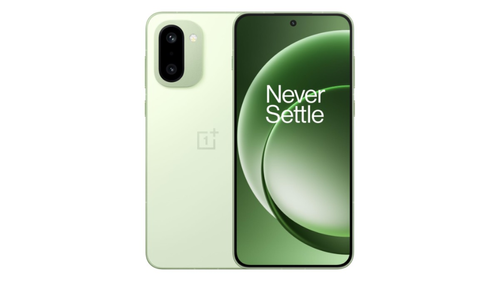
The OnePlus 15R offers a slightly larger 6.83-inch screen at 1272x2800 pixels, with a higher refresh rate up to 165Hz. This makes it better for gaming, as the screen updates faster for smoother visuals in fast-paced games. Brightness tops at 3,600 nits, which is still good for outdoor use but not as high as the Vivo. At 8.3mm thick and 219g, it's a bit bulkier, but the curved edges make it comfortable to hold. Color options include Charcoal Black for a sleek vibe, Mint Breeze for a fresh green tone, and Electric Violet for something bold.
In design, the Vivo feels more compact and lightweight, while the OnePlus suits users who prefer bigger screens. Both have strong build quality with Gorilla Glass protection—the Vivo uses Schott glass, and the OnePlus has Gorilla Glass 7i. For dust and water resistance, the OnePlus has more ratings (IP66 to IP69K), meaning it can handle heavier exposure like high-pressure water jets, compared to the Vivo's IP68/IP69.
Processor and Performance
Performance is where both shine, thanks to top 3nm chips that handle tasks efficiently without draining battery quickly.
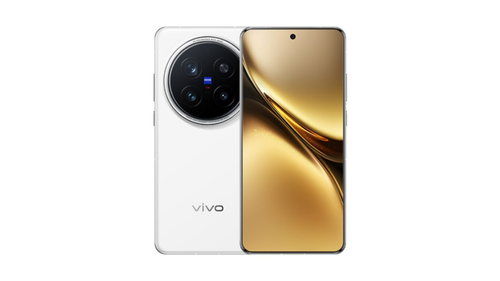
The Vivo X200T uses the MediaTek Dimensity 9400+, an octa-core processor with speeds up to 3.73GHz. Paired with 12GB RAM, it runs multiple apps smoothly, edits photos, or plays games without lag. It scores high in benchmarks, making it great for everyday use and light creative work. The phone runs Android 16 with OriginOS 6, which adds custom tools like better multitasking windows.
The OnePlus 15R packs the Qualcomm Snapdragon 8 Gen 5, with cores up to 3.8GHz. This chip is known for strong gaming performance, thanks to its Adreno GPU. With 12GB RAM, it excels in heavy tasks like video editing or running demanding apps. OxygenOS 16 on Android 16 keeps things clean and fast, with AI features like smart search and portrait enhancements.
Both offer similar storage options without expandable slots, so choose based on needs. The OnePlus might edge out in gaming due to its higher refresh rate and vibration feedback from the X-axis motor. Vivo promises 5 years of OS updates and 7 years of security fixes, while OnePlus offers similar long-term support. Compared to recent launches, the Motorola Signature also uses Snapdragon 8 Gen 5, making it a close rival for performance seekers.
Camera
Cameras are a big draw for these phones, especially for social media users or hobby photographers.
The Vivo X200T stands out with its Zeiss-tuned triple rear setup: a 50MP main sensor (LYT-702 with OIS for steady shots), 50MP ultra-wide (JN1 for wide landscapes), and 50MP telephoto (LYT-600 with 3x optical zoom for close-ups without loss of detail). This allows versatile shooting, like portraits with natural blur or zoomed-in photos. The 32MP front camera handles selfies well in various lights.
The OnePlus 15R has a dual rear system: 50MP main (IMX906 with OIS) and 8MP ultra-wide. It lacks a dedicated telephoto, so zoom relies on digital cropping, which might not be as sharp beyond 2x. The 32MP front camera is solid for video calls and self-portraits. AI tools help with editing, like glow effects on portraits.
For camera quality, the Vivo wins with its extra lens and Zeiss partnership for better color accuracy. It's ideal for photography enthusiasts. The OnePlus is simpler but effective for quick snaps. Recent competitors like the iQOO 15 also feature triple cameras, offering similar versatility at a slightly lower price.
Also Read: Redmi Note 15 Series Comparison: Which to Buy
Battery and Charging
Long-lasting power is essential for all-day use without constant plugs.
The Vivo X200T has a 6,200mAh battery, supporting 90W wired charging (full in about 30 minutes) and 40W wireless for cable-free top-ups. It uses silicon anode tech for better efficiency, lasting through heavy use like streaming or navigation.
The OnePlus 15R packs a larger 7,400mAh battery, which can go longer between charges—up to two days for light users. It supports 80W wired charging, slightly slower than Vivo but still quick (full in around 35 minutes). No wireless charging here, which might be a drawback for some.
The OnePlus takes the lead in battery size, great for travelers or gamers. Vivo's wireless option adds convenience. Both support bypass charging to reduce heat during intense sessions. In comparison, the Motorola Signature has a 5,200mAh battery, smaller but with faster 90W wired and 50W wireless.
Connectivity and Other Features
Both phones support 5G, Wi-Fi 7, Bluetooth 5.4 (Vivo) or 6.0 (OnePlus), and NFC for payments. They include in-display fingerprint scanners and face unlock for security. The Vivo has stereo speakers tuned for clear sound, while the OnePlus adds AI for smarter voice recording and scanning.
Storage is non-expandable on both, so pick the right variant. They handle heat well with vapor chamber cooling, preventing slowdowns during games.
India's Smartphone Market in 2026: Emerging Trends and Shifts
-
Flagship-Level Chips in Mid-Range: Devices like the Vivo X200T and OnePlus 15R bring 3nm processors (Dimensity 9400+ and Snapdragon 8 Gen 5) to prices under Rs. 60,000, making high performance more affordable.
-
Battery Advancements: Larger capacities (over 6,000mAh) and silicon-carbon tech, as in the OnePlus 15R, focus on all-day use without bulk.
-
Camera Innovations: Triple setups with OIS and AI, seen in Vivo's Zeiss system, improve low-light and zoom shots.
-
Display Upgrades: Higher refresh rates (up to 165Hz) and brightness levels enhance gaming and outdoor visibility.
-
Long-Term Support: Brands offer 5-7 years of updates, reducing the need for frequent upgrades.
Recent launches like the Samsung Galaxy S26 (with Exynos chip) and Realme GT7 Pro emphasize similar trends, with prices starting around Rs. 65,000.
Choosing the Right Smartphone for Your Needs
| Use Case | Best Model | Why |
|---|---|---|
| Photography and Zoom | Vivo X200T | Triple 50MP cameras with 3x optical zoom and Zeiss tuning for detailed shots |
| Gaming and Smooth Display | OnePlus 15R | 165Hz refresh rate and Snapdragon chip for lag-free play |
| Long Battery Life | OnePlus 15R | 7,400mAh capacity lasts longer for heavy users |
| Compact Design | Vivo X200T | Slimmer and lighter build for easy one-hand use |
| Wireless Charging | Vivo X200T | 40W wireless option for convenient top-ups |
| Value for Money | OnePlus 15R | Lower starting price with strong overall features |
| Outdoor Durability | OnePlus 15R | Higher IP ratings for better water and dust protection |
Also Read: Best Smartphones Under 60,000 in India 2026
Final Thoughts: Picking Between Vivo X200T and OnePlus 15R in 2026
The Vivo X200T and OnePlus 15R represent solid choices in India's growing premium mid-range market, balancing power and price. If you prioritize camera versatility and wireless charging, go for the Vivo X200T—it's a step up for content creators. For longer battery and gaming focus at a lower cost, the OnePlus 15R fits better, especially for daily drivers. Both outperform in their segment, outshining older models like the Vivo X100 or OnePlus 12R. With similar recent options like the Motorola Signature (strong in build) or iQOO 15 (gaming-focused), check your priorities. These phones drive India's shift toward affordable high-tech, ensuring you stay connected without overspending.
Comparos Says: In 2026, the Vivo X200T vs OnePlus 15R battle highlights choices for every user, pick Vivo for cameras, OnePlus for battery, and enjoy premium features at mid-range prices.
Ad
Ad
Confused? Choose Your Phone
What Matters Most


Get TheWeekly Brief
One email each morning: the launches,
the price changes and the reviews
worth reading.

Ad
Ad
 |
|
807, 808, 8th Floor,
IRIS Tech Tower Sohna Road Sector 48,
Gurugram, Haryana - 122018