


- News
- All News
- Mobiles
- Laptops
- Watches
- Cameras
- Printers
- Refrigerators
- Air Conditioners
- Washing Machines
- Air Purifiers
- Water Purifiers
- Expert Reviews
- All Reviews
- Mobiles
- Laptops
- Watches
- Cameras
- Printers
- Refrigerators
- Air Conditioners
- Washing Machines
- Air Purifiers
- Water Purifiers
- Articles
- All Articles
- Mobiles
- Laptops
- Watches
- Cameras
- Printers
- Refrigerators
- Air Conditioners
- Washing Machines
- Air Purifiers
- Water Purifiers
- Videos
- Videos

Ad
Poco M8 5G Review

The Poco M8 5G launches at ₹18,999 as Xiaomi's value-focused offering featuring curved AMOLED display, Snapdragon 6 Gen 3 processor, and extended software support targeting budget-conscious buyers. Poco positions this device as practical daily driver prioritizing essential features over experimental additions. The smartphone shares internal specifications with Redmi Note 15 5G while maintaining distinct Poco branding and design language.
Key Specifications
- Display: 6.77-inch 3D curved AMOLED, 120Hz, 3200 nits peak brightness
- Processor: Qualcomm Snapdragon 6 Gen 3
- RAM/Storage: 6GB/128GB, 8GB/256GB with expansion
- Cameras: 50MP main + 2MP depth | 20MP front
- Battery: 5520 mAh with 45W fast charging
- Software: HyperOS 2 based on Android 15
This comprehensive review analyzes the Poco M8 5G across build quality, display performance, software experience, processing capabilities, camera quality, and battery life through extensive real-world testing.
Build Quality and Design Elements
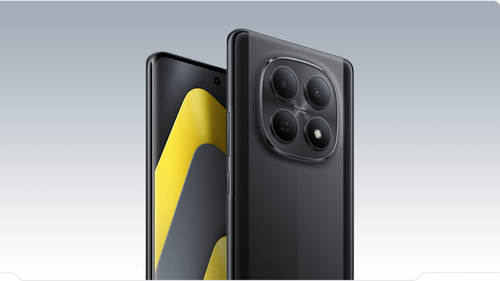
Refined Aesthetics with Practical Durability
The Poco M8 5G measures 164 x 75.42 x 7.35mm with 178g weight, delivering slim profile uncommon in budget segment. The 7.35mm thickness makes single-handed operation comfortable while the lightweight construction reduces hand fatigue during extended usage. Curved sides and edges improve ergonomics making the device settle naturally in palm.
The rear panel features two-tone finish combining glossy 'race line' accents with matte center section. The glossy sections attract fingerprints noticeably requiring frequent wiping. However, the matte center area resists smudges effectively. Three color options include Carbon Black, Glacial Blue, and Frost Silver providing aesthetic variety.
Protection and Durability
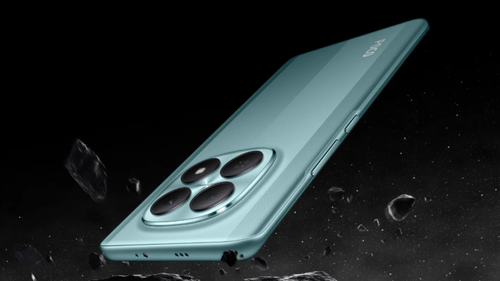
IP66 rating protects against dust ingress and powerful water jets. While not providing submersion protection like IP68, the certification handles daily exposure to rain, splashes, and dusty environments. The protection level remains appropriate for budget positioning without significantly increasing manufacturing costs.
Design Strengths:
- Slim 7.35mm profile
- Lightweight 178g construction
- Curved edges improving ergonomics
- Two-tone finish rear panel
- IP66 water and dust protection
- Modern aesthetic execution
| Design Specification | Details |
|---|---|
| Dimensions | 164 x 75.42 x 7.35 mm |
| Weight | 178g |
| Build Materials | Plastic frame, glass-finish back |
| Water Rating | IP66 |
| Dust Rating | IP6X |
| Color Variants | Carbon Black, Glacial Blue, Frost Silver |
| Button Layout | Right side (power, volume) |
| Charging Port | USB Type-C bottom placement |
| SIM Configuration | Dual SIM with microSD expansion |
Display Technology Analysis
Curved AMOLED Upgrade
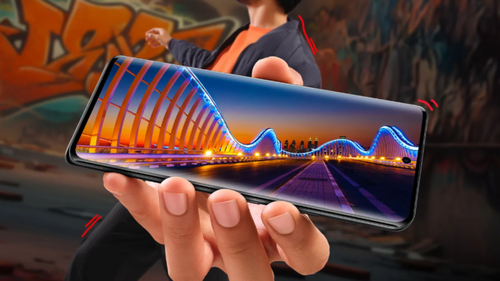
The 6.77-inch 3D curved AMOLED display represents significant upgrade over predecessor's IPS LCD technology. The 1080 x 2392 pixel resolution delivers 387 PPI pixel density ensuring sharp text and crisp images. The AMOLED technology provides vibrant colors with punchy saturation, genuine black levels, and superior contrast ratios compared to LCD alternatives.
The curved edges create premium visual appearance while maintaining practical usability without excessive edge distortion. Slim bezels on three sides maximize screen-to-body ratio though the chin remains slightly thicker. The 120Hz refresh rate ensures smooth scrolling, fluid animations, and responsive touch interactions throughout interface navigation.
Brightness and Visibility
Peak brightness reaches 3200 nits providing excellent outdoor visibility under direct sunlight. Content remains legible without excessive squinting or shade-seeking. The brightness levels adjust automatically adapting to ambient lighting conditions effectively. Indoor viewing remains comfortable without excessive brightness causing eye strain.
Display Limitations
HDR playback support remains absent preventing HDR content viewing on Netflix, YouTube, and other streaming platforms. HDR-encoded content plays in standard dynamic range reducing visual impact of premium content. This omission affects users prioritizing streaming service video quality.
Display Features:
- 6.77-inch 3D curved AMOLED
- 1080 x 2392 pixel resolution
- 120Hz refresh rate
- 3200 nits peak brightness
- In-display fingerprint sensor
- No HDR content support
| Display Element | Specification |
|---|---|
| Size | 6.77 inches |
| Resolution | 1080 x 2392 pixels (FHD+) |
| Pixel Density | 387 PPI |
| Technology | 3D curved AMOLED |
| Refresh Rate | 120Hz |
| Touch Sampling | Standard rate |
| Peak Brightness | 3200 nits |
| HDR Support | None |
| Protection | Not specified |
| Fingerprint | In-display optical |
Audio Performance
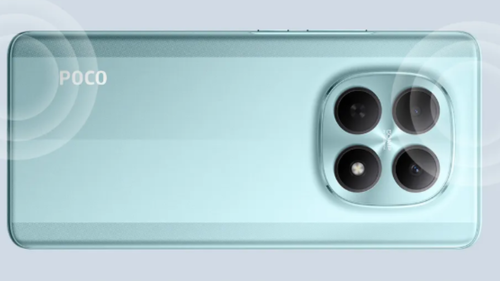
Dual speakers produce sufficiently loud audio output for media consumption and speakerphone calls. However, audio quality degrades at maximum volume with noticeable distortion affecting music playback clarity. The lower rear section vibrates slightly during audio playback at high volumes. The audio performance remains adequate for casual media consumption without audiophile-grade expectations.
Software and User Experience
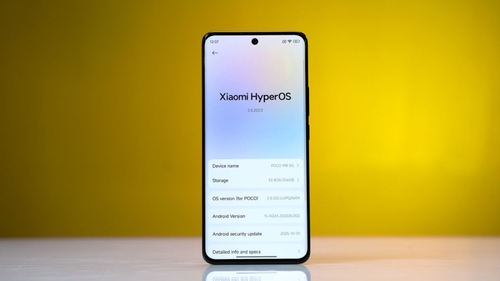
HyperOS 2 Implementation
HyperOS 2 based on Android 15 provides user interface foundation. The Android 15 base feels dated considering Android 16 availability, though Poco commits to 4 years of OS updates and 6 years of security patches. This update commitment provides long-term value extending device relevance beyond typical budget smartphone lifecycles.
The interface offers fluid animations and smooth UI navigation. Customization options span home screen layouts, lock screen designs, icon styles, and transition effects. The theme store provides extensive wallpaper and visual customization selections. The overall experience mirrors Redmi Note 15 5G sharing the same software foundation.
AI Features and Bloatware
Basic AI features include Circle to Search and Gemini assistant integration functioning adequately for general queries and visual searches. Advanced AI capabilities remain absent limiting functionality compared to premium devices. The bloatware presence significantly detracts from software experience. Pre-installed applications include Block Blast, Bubble Shooter, Tile Fun, and additional games requiring manual removal. The bloatware volume creates cluttered experience immediately after unboxing.
Software Highlights:
- HyperOS 2 on Android 15
- 4 years OS + 6 years security updates
- Extensive customization options
- Basic AI features integration
- Theme store with variety
- Heavy bloatware presence
Performance Assessment
Snapdragon 6 Gen 3 Real-World Usage
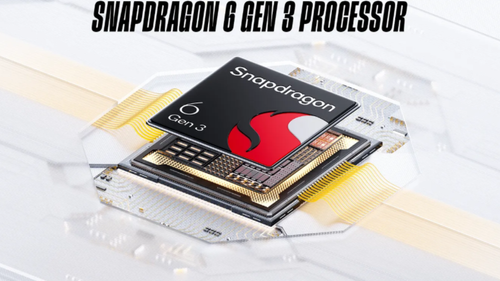
The Qualcomm Snapdragon 6 Gen 3 processor handles everyday tasks smoothly including messaging, social media browsing, web navigation, and video streaming from OTT platforms. The 8GB LPDDR4X RAM manages moderate multitasking without significant lag. The 256GB UFS 2.2 storage provides adequate read/write speeds with microSD expansion supporting additional capacity.
Gaming Capabilities
Casual gaming performs moderately with Call of Duty Mobile and BGMI running on low graphics settings maintaining 85-90 fps. Graphics-intensive titles including Genshin Impact and GRID Legends struggle with smooth gameplay experiencing frame drops and stuttering. The processor targets casual gamers rather than enthusiasts requiring maximum performance.
Thermal Management
The device requires approximately 30 minutes of gaming before noticeable warming occurs. The temperature increase remains manageable without reaching uncomfortable holding levels. Sustained gaming sessions trigger thermal throttling reducing performance to manage heat generation. The thermal behavior remains typical for Snapdragon 6 Gen 3 implementation.
Performance Summary:
- Smooth daily task handling
- Moderate casual gaming capability
- Graphics-intensive games struggle
- LPDDR4X RAM limiting peak performance
- UFS 2.2 storage with expansion
- Acceptable thermal management
| Benchmark | Poco M8 5G | Performance Level |
|---|---|---|
| AnTuTu v10 | ~530,000 | Entry mid-range |
| Geekbench 6 Single | ~400 | Basic performance |
| Geekbench 6 Multi | ~1,530 | Moderate multitasking |
| 3DMark Wild Life | ~3,280 | Casual gaming suitable |
| PCMark Work 3.0 | ~8,100 | Daily productivity adequate |
Camera System Evaluation
50MP Primary Camera Performance
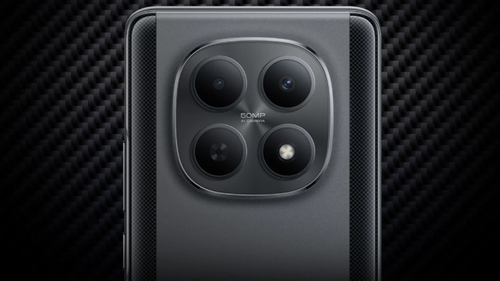
The 50MP primary sensor with f/1.8 aperture captures usable photos in good lighting conditions with decent detail retention and acceptable contrast levels. However, color accuracy fluctuates between natural rendering and artificial oversaturation creating inconsistency. The sensor struggles with highlight management frequently blowing out bright areas losing detail.
The 2x digital zoom maintains relatively consistent colors and exposure though fine details and textures suffer noticeably. The absence of ultra-wide camera limits compositional flexibility compared to competitors offering triple camera systems at similar pricing.
Portrait and Depth Sensor
The 2MP depth sensor assists portrait mode edge detection. Portrait results show acceptable subject separation though edge detection inconsistencies occur particularly with complex backgrounds or fine details like hair strands. The bokeh blur appears natural without excessive artificial processing.
Selfie Camera Quality
The 20MP front camera captures better selfies in daylight compared to low-light scenarios. Detail retention remains good with acceptable color accuracy. However, skin tone rendering shows inconsistency varying between shots. Low-light selfies demonstrate reduced detail with visible noise in darker areas.
Video Recording
The device supports 4K 30fps video recording. However, video stabilization performs poorly with noticeable jittering during movement. Handheld video recording produces shaky footage unsuitable for sharing without post-processing stabilization. The video performance disappoints considering modern expectations.
Camera Assessment:
- 50MP primary with inconsistent colors
- Frequent highlight blow-out issues
- 2MP depth sensor for portraits
- No ultra-wide camera option
- 20MP front camera adequate
- Poor video stabilization
| Camera Component | Specification |
|---|---|
| Primary Rear | 50MP, f/1.8 |
| Depth Rear | 2MP |
| Front Camera | 20MP, f/2.2 |
| Video Recording | 4K at 30fps |
| Stabilization | Digital (poor quality) |
| Flash | LED flash |
| Zoom | 2x digital |
| Ultra-Wide | Not available |
Battery Performance
5520 mAh Endurance
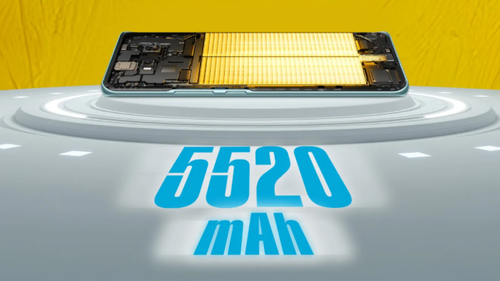
The 5520 mAh battery provides reliable all-day performance with moderate usage including social media, messaging, browsing, and video streaming. Heavy usage involving gaming, music streaming, and extensive screen-on time still achieves full-day runtime comfortably. The PCMark Work 3.0 Battery Test achieved 20 hours 13 minutes indicating strong endurance for the segment.
Light usage patterns enable multi-day battery life between charges. The combination of efficient AMOLED display, 120Hz adaptive refresh rate, and power-optimized processor contributes to battery longevity. Battery performance represents a key strength of the device.
45W Charging Performance
The included 45W fast charger replenishes 51% battery capacity in 30 minutes. Complete charging from 0% to 100% requires 1 hour 11 minutes. The charging speed remains competitive within budget segment though not matching 80W+ speeds in some alternatives. The charger inclusion adds value compared to brands omitting charging accessories.
Battery Strengths:
- 5520 mAh capacity
- More than full-day usage
- 20h 13min PCMark battery test
- 45W fast charging included
- 0-51% in 30 minutes
- Charger in retail package
| Battery Specification | Details |
|---|---|
| Capacity | 5520 mAh |
| Charging | 45W wired fast charging |
| 0-50% Time | ~30 minutes |
| Full Charge | 71 minutes |
| PCMark Battery | 20h 13min |
| Charger | 45W adapter included |
| Wireless Charging | Not supported |
| Reverse Charging | Not available |
Value and Competition
Pricing Structure
| Variant | Price (INR) |
|---|---|
| 6GB + 128GB | ₹18,999 |
| 8GB + 256GB | ₹20,999 (estimated) |
The ₹18,999 pricing positions against Redmi Note 15 5G (₹22,999), CMF Phone 2 Pro, Moto G67 Power, and Nothing Phone 3a Lite. The Poco M8 offers ₹4,000 savings versus Redmi sibling despite similar specifications.
Competitive Context
Poco M8 5G Advantages:
- Lower pricing than Redmi equivalent
- Curved AMOLED at budget price
- 3200 nits peak brightness
- Extended software support
- Slim lightweight design
Competitor Strengths:
- Redmi Note 15 5G: 108MP camera, premium branding
- CMF Phone 2 Pro: Unique design, ultra-wide camera
- Moto G67 Power: 7000 mAh battery, stock Android
- Nothing Phone 3a Lite: Dimensity 7300 Pro processor
Also Read: Redmi Note 15 5G Review
Verdict
The Poco M8 5G delivers focused budget package prioritizing display quality, battery endurance, and practical daily performance over advanced features. The 3D curved AMOLED display brings premium visual experience to sub-₹20,000 segment. The slim, lightweight construction with IP66 protection ensures practical durability. The 5520 mAh battery provides reliable all-day runtime with heavy usage. The extended 4-year OS and 6-year security update commitment adds long-term value.
Performance limitations through Snapdragon 6 Gen 3 processor restrict gaming capabilities to casual titles. The 50MP camera produces acceptable daylight photos though struggling with consistency and dynamic range. Video stabilization disappoints significantly. Bloatware presence clutters software experience requiring manual cleanup. The absence of ultra-wide camera and HDR display support creates functional gaps versus competitors.
The Poco M8 5G suits budget buyers prioritizing display quality, battery life, and software longevity over maximum performance or advanced cameras. Users requiring gaming capabilities or superior photography should explore alternatives. The device represents solid value for general users seeking reliable daily smartphones with premium display at accessible pricing.
Final Rating: 7.3/10
Comparos Says: The Poco M8 5G excels in display quality and battery endurance while delivering adequate performance for everyday usage. The choice between this and competitors depends on priorities—premium AMOLED display and battery life versus superior processing power or advanced camera systems. The ₹4,000 savings over Redmi Note 15 5G makes it compelling for budget-focused buyers accepting camera compromises.
Ad
Ad
Confused? Choose Your Phone
What Matters Most


Get TheWeekly Brief
One email each morning: the launches,
the price changes and the reviews
worth reading.

Ad
Ad
 |
|
807, 808, 8th Floor,
IRIS Tech Tower Sohna Road Sector 48,
Gurugram, Haryana - 122018