



Ad
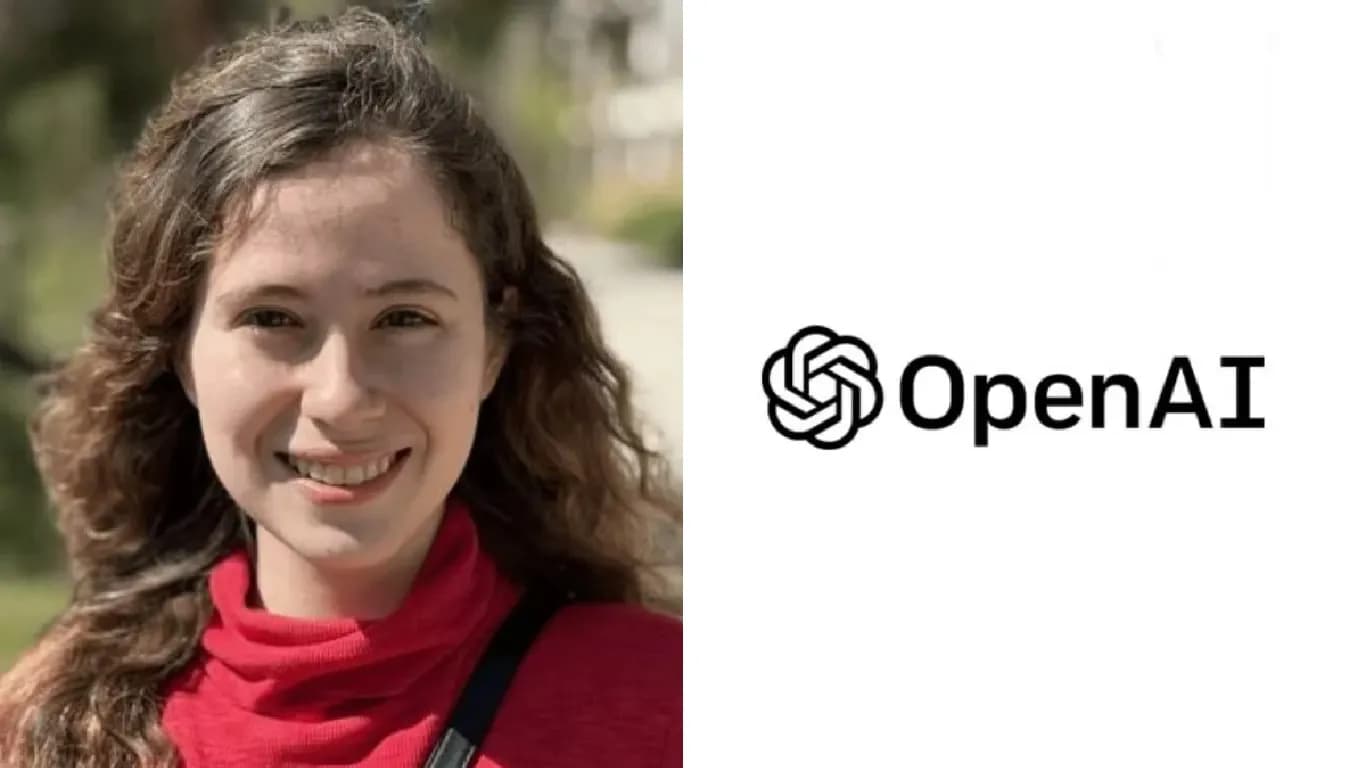
OpenAI Researchers Leave to Build Next-Generation AI Startups



Follow Us:


4,692 views
Several leading researchers have left OpenAI in recent years to launch new artificial intelligence ventures. These departures reflect a broader trend of top talent seeking to develop advanced AI technologies outside the company.
Key Highlights
- Several OpenAI researchers have left to start new AI ventures in recent years.
- Naomi Bashkansky joined Conduit to develop thought-to-text AI using non-invasive brain signals.
- Former OpenAI chief scientist Ilya Sutskever launched Safe Superintelligence with a focus on safe AI.
- Nvidia reportedly invested $5 billion in Safe Superintelligence for early access to new AI chips.
Recent Departures from OpenAI
Naomi Bashkansky is the latest researcher to leave OpenAI. She announced her resignation in late July and joined Conduit as a founding researcher the next day. At Conduit, Bashkansky will work on AI models that convert human thoughts into text using non-invasive brain signals. She shared her reasons for leaving in a blog post titled "Why I'm leaving OpenAI to build telepathy." Bashkansky explained that Conduit's goal is to develop AI systems capable of translating a person's thoughts into text without surgical brain implants.
Conduit is building AI models that interpret brain signals collected through non-invasive technology. Bashkansky outlined a roadmap for this technology, projecting advancements by 2027, 2030, and 2035. The long-term aim is to enable people to communicate by thinking, without the need for physical devices or invasive procedures.
New Startups from Former OpenAI Leaders
OpenAI has seen several high-profile exits as researchers and executives pursue new AI ventures. One of the most notable departures is that of OpenAI co-founder and former chief scientist Ilya Sutskever. He left the company in 2024 after a period of internal leadership changes. Sutskever then launched Safe Superintelligence (SSI) with Daniel Gross and Daniel Levy.
SSI has a different focus compared to companies like OpenAI, Google DeepMind, and Anthropic. Instead of developing AI chatbots or consumer products, SSI aims to build "safe superintelligence." This means creating AI that surpasses human intelligence while prioritizing safety in its development. SSI has raised billions of dollars from investors but has released little information about its technology.
Recently, SSI has attracted attention after venture capitalist Gavin Baker suggested on the Invest Like the Best podcast that SSI could unveil its first AI model this month. The company has not confirmed any launch date or provided details about the model's capabilities. Industry experts believe the new model may demonstrate research conducted by Sutskever and his team in private.
Reports indicate that Nvidia has invested $5 billion in SSI, giving the startup early access to next-generation Vera Rubin AI chips. These chips are expected to support SSI's research and development efforts. Despite speculation, SSI has not officially announced plans to release a model in August.
Other Industry Developments
Anthropic is reportedly working to develop its own chips to power its Claude AI system and is building a dedicated team for this purpose. In other news, Microsoft has retired its employee feedback tool and now encourages staff to communicate face to face. Zoho's CEO commented that flexible work arrangements have existed at the company for 30 years, predating Gen Z's influence.
Latest News

Reviews & Guides
View All


Samsung Galaxy Buds 4 Pro Review: क्या ₹22,999 में मिलते हैं सबसे बेहतरीन प्रीमियम वायरलेस ईयरबड्स?

कंटेंट क्रिएटर के लिए सबसे दमदार बैटरी लाइफ वाले Windows लैपटॉप, 18 घंटे की मिलेगी बैटरी लाइफ

Samsung Galaxy S26 Ultra क्यों है साल का सबसे बेहतरीन स्मार्टफोन? जानें 5 बड़े कारण

MacBook Neo Review: सस्ता नहीं, Apple का मास्टरस्ट्रोक है ये Laptop!

Samsung Galaxy S26 Ultra Review: AI से लेकर प्राइवेसी डिस्प्ले है सबसे खास, जानें कैसी है परफॉरमेंस
Vivo V70 Elite Review 2026: Price in India, Specs, Features

Apple AirPods 5: Price in India, Features and Specifications

Haier Smart TV Review 2026: Is It Worth Buying?

Best 55-Inch TVs Under ₹50,000 in India

Best 5 AI TVs in India – LG, Samsung, Sony & TCL Compared

Best Phone Under ₹10,000 for Elderly and Senior Citizens

Haier 32, 43 & 55 Inch LED TV: Full Specifications & Price Comparison