



Ad
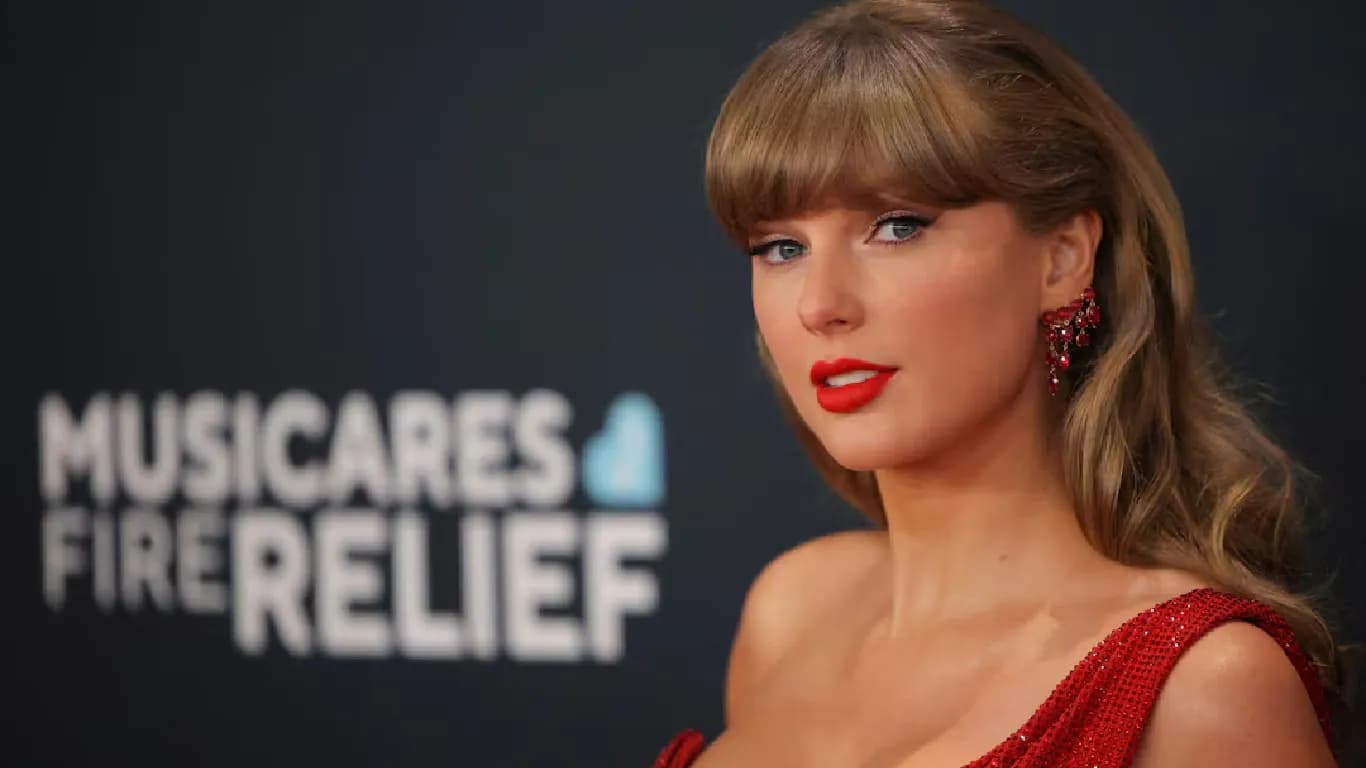
Taylor Swift Files Trademark Applications to Protect Voice and Likeness from AI Deepfakes



Follow Us:


1,120 views
Taylor Swift has filed trademark applications to protect her voice and stage image as artificial intelligence (AI) deepfakes become more common in the entertainment industry. This legal move aims to address the growing risk of AI-generated content that can convincingly imitate celebrities without their consent.
Key Highlights
- Taylor Swift files trademark applications to protect her voice and stage image from AI deepfakes.
- Legal experts say voice trademarks are a new approach to address AI-generated imitations.
- Other celebrities including Matthew McConaughey and Scarlett Johansson have taken similar legal steps.
- Industry groups and artists are calling for stronger safeguards against unauthorized AI use.
Swift's decision comes after repeated incidents of online content manipulation involving her likeness. By trademarking specific recordings and her signature stage image, she seeks to prevent unauthorized use and misleading reproductions of her identity.
Legal Response to AI Deepfakes
AI-generated deepfakes have raised concerns among artists and industry groups. These technologies can create content that closely resembles real individuals, blurring the line between genuine and artificial media. Swift's trademark applications could allow her to challenge imitations that are not exact copies but are similar enough to cause confusion.
Legal experts note that registering a voice as a trademark is a relatively new approach. This move could set a precedent for how intellectual property law adapts to generative AI. By securing rights over specific phrases delivered in her voice, Swift may have legal grounds to act against deceptive uses of her identity.
Industry and Celebrity Reactions
Other celebrities have also taken steps to protect their identities from AI misuse. Actors like Matthew McConaughey have filed trademarks for their voices and likeness. Scarlett Johansson and Tom Hanks have publicly opposed unauthorized AI use in advertising and online content.
Companies have already introduced digital 'agents' that mimic well-known personalities to attract users. This trend has led to multiple lawsuits involving AI tools used to create deepfakes, advertisements, banners, posters, songs, and tunes that belong to creative individuals.
Calls for Stronger Safeguards
Artists and industry groups are increasingly demanding stronger protections to ensure creative identities are not replicated without permission. Despite these calls, no specific regulations have been implemented so far to address the issue.
The ongoing legal actions and trademark filings highlight the urgent need for updated laws to keep pace with advances in AI technology. As the entertainment industry adapts, the outcome of these efforts may influence future protections for artists and public figures.
Latest News

Reviews & Guides
View All


Samsung Galaxy Buds 4 Pro Review: क्या ₹22,999 में मिलते हैं सबसे बेहतरीन प्रीमियम वायरलेस ईयरबड्स?

कंटेंट क्रिएटर के लिए सबसे दमदार बैटरी लाइफ वाले Windows लैपटॉप, 18 घंटे की मिलेगी बैटरी लाइफ

Samsung Galaxy S26 Ultra क्यों है साल का सबसे बेहतरीन स्मार्टफोन? जानें 5 बड़े कारण

MacBook Neo Review: सस्ता नहीं, Apple का मास्टरस्ट्रोक है ये Laptop!

Samsung Galaxy S26 Ultra Review: AI से लेकर प्राइवेसी डिस्प्ले है सबसे खास, जानें कैसी है परफॉरमेंस
Vivo V70 Elite Review 2026: Price in India, Specs, Features

Apple AirPods 5: Price in India, Features and Specifications

Haier Smart TV Review 2026: Is It Worth Buying?

Best 55-Inch TVs Under ₹50,000 in India

Best 5 AI TVs in India – LG, Samsung, Sony & TCL Compared

Best Phone Under ₹10,000 for Elderly and Senior Citizens

Haier 32, 43 & 55 Inch LED TV: Full Specifications & Price Comparison