
Ad
India’s Data Centre Boom: AI, Investments, and Workforce Transformation
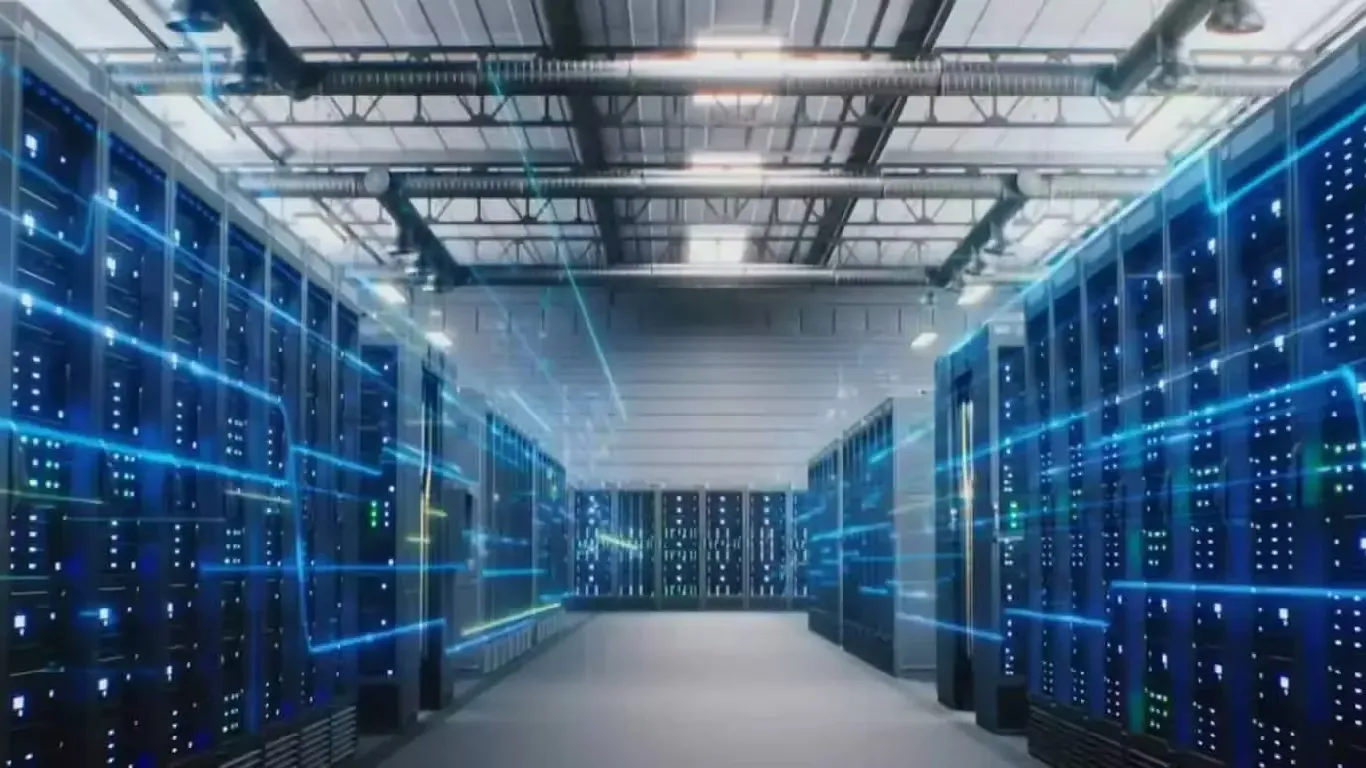
India is witnessing a surge in data centre infrastructure, driven by artificial intelligence and government policy. Data centre capacity in India has grown from 375 megawatts (MW) in 2020 to more than 1,500 MW in 2025, according to the Ministry of Electronics & IT. This rapid expansion is expected to continue, with Morgan Stanley projecting capacity could reach 10.5 gigawatts (GW) by 2031.
Key Highlights
- India's data centre capacity grew from 375 MW in 2020 to over 1,500 MW in 2025.
- Morgan Stanley projects capacity could reach 10.5 GW by 2031.
- Adani Group and Reliance Industries announce investments of $100 billion and $120 billion respectively.
- Government offers a 20-year tax holiday for foreign cloud providers until 2047.
- Demand for skilled professionals in AI infrastructure and data centre management is rising.
Drivers of Data Centre Growth
Two main factors are fueling India’s data centre boom. First, the government’s push for data localisation requires Indian user data to remain within the country. The Digital Personal Data Protection (DPDP) Act and sector-specific rules from regulators such as the RBI and SEBI support this goal. These measures aim to enhance digital sovereignty and keep sensitive data under Indian jurisdiction.
Second, the rise of artificial intelligence has increased demand for high-performance computing infrastructure. AI systems need significant computing power, specialised GPUs, fast storage, and advanced cooling systems. The development of Indian-language AI models also requires extensive local infrastructure for training and operation.
Madhusudan Bhor, founder and CEO of Vantageo, notes that cloud and enterprise digitisation laid the foundation, while AI is accelerating the need for high-performance compute, GPUs, large memory, and rapid storage.
Major Investments and Policy Support
Private sector investment is following government initiatives. At the India AI Summit, Adani Group announced a $100 billion plan to build renewable-powered, AI-ready data centres by 2035. Reliance Industries has committed $120 billion to digital and AI infrastructure. These investments aim to position India as a builder and controller of next-generation computing infrastructure.
Global technology firms are also expanding in India. Microsoft announced a $3.7 billion investment in Telangana for data centres with 660 MW IT capacity. Amazon Web Services (AWS) has committed $12.7 billion to cloud infrastructure in India by 2030. Microsoft is building its largest India data centre in Hyderabad, part of a $17.5 billion investment plan.
The government is encouraging further growth. The Union Budget 2026-27 introduced a 20-year tax holiday until 2047 for foreign cloud service providers operating from Indian data centres for overseas customers. This policy could attract up to $200 billion in investments over time. The draft Data Centre Policy promises streamlined approvals, dedicated zones, fiscal incentives, and subsidised infrastructure and power.
Impact on Jobs and Skills
The data centre boom is creating new job opportunities, similar to the IT-services expansion of the 1990s and 2000s. The industry now needs professionals skilled in managing large server facilities, GPU clusters, liquid cooling, cybersecurity, power systems, and AI networking.
Workforce shortages are already evident in other countries. In the United States, companies face a shortage of fibre technicians for data centre construction. Meta has partnered with CBRE to train high-paid fibre technicians. Experts predict India may soon face similar talent shortages as infrastructure projects accelerate.
Rahul Takkallapally, co-founder of BharathCloud, highlights the growing need for professionals in hyperscale infrastructure management, GPU clustering, liquid cooling, cybersecurity, and energy-efficient management. Sudhir Kunder, chief business officer at DE-CIX India, points to a skill gap in interconnection architecture, including multi-cloud connectivity and secure data movement.
Challenges and Future Outlook
Despite rapid growth, India is still in the early stages of developing its data centre and AI infrastructure. Compared to the United States, Singapore, and Europe, India remains in an infrastructure acceleration phase. Further development is needed in electricity grids, fibre connectivity, semiconductor supply chains, cooling systems, and policy coordination.
Industry leaders agree that coordinated investments across energy, connectivity, and policy frameworks are essential for India to compete globally. The country is on a clear path to becoming a major hub for AI infrastructure, with data centres emerging as key assets in the digital economy.
Ad
SpaceX IPO Could Make Antonio Gracias One of the Richest Investors Globally
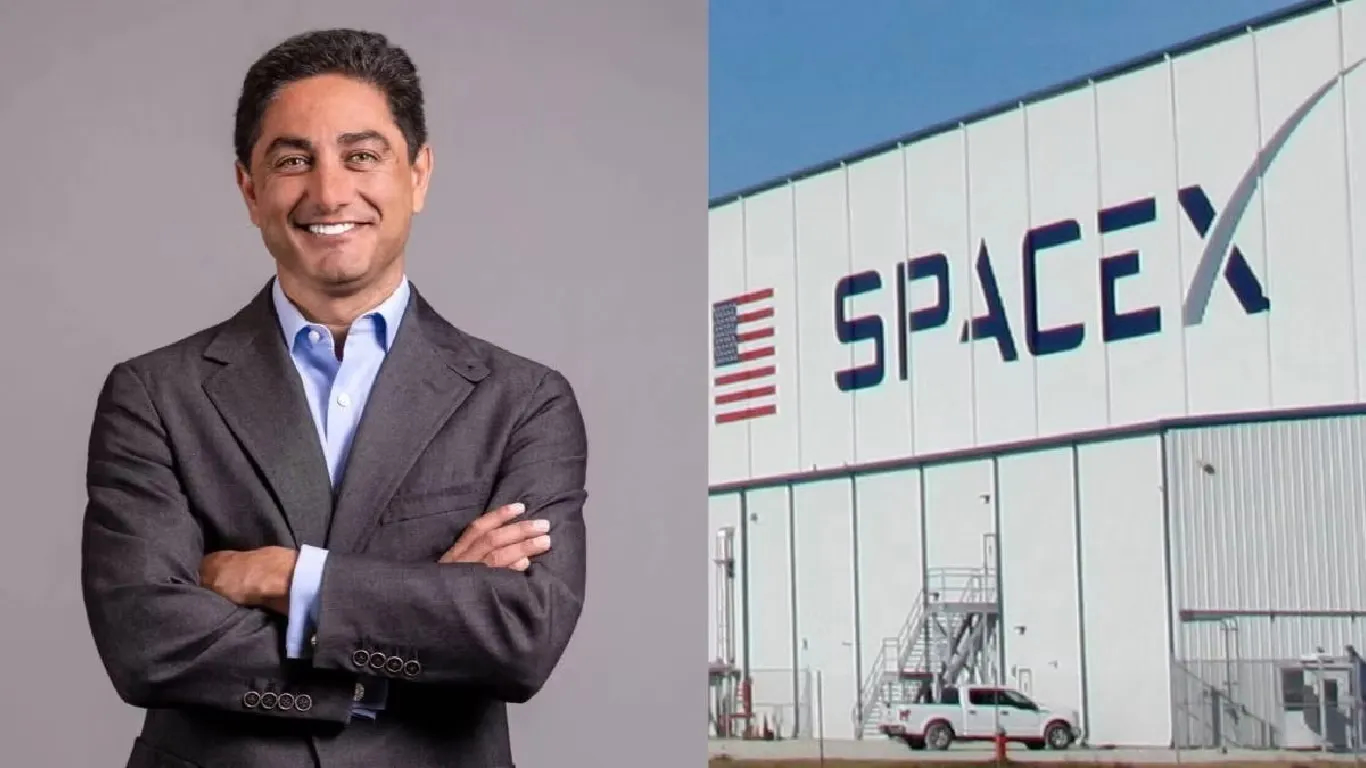
Antonio Gracias, an early investor and board member at SpaceX, could see his stake valued at $128 billion if the company reaches a $2 trillion IPO valuation, making him one of the world's wealthiest investors.
21-May-2026 11:30 PM

Samsung Patent Reveals Rollable Smartphone With Movable Camera Module
Samsung has filed a patent for a rollable smartphone with a movable rear camera module and integrated sensors. The 2023 filing follows earlier patents and highlights ongoing research, though commercial release is uncertain.
21-May-2026 11:30 PM

Pentagon Tests Google and OpenAI AI Models After Anthropic Fallout
The Pentagon is testing AI models from Google and OpenAI after ending its deal with Anthropic over usage restrictions. Officials aim to diversify AI suppliers, while Anthropic challenges its supply chain risk designation in court.
21-May-2026 10:30 PM
India’s Data Centre Boom: AI, Investments, and Workforce Transformation
India's data centre capacity has quadrupled since 2020, driven by AI adoption and data localisation policies. Major investments from domestic and global firms, along with government incentives, are transforming India into a key AI infrastructure hub.
21-May-2026 10:30 PM

HMD Vibe 2 5G Launched in India With 6,000mAh Battery and 120Hz Display
HMD has launched the Vibe 2 5G in India, featuring a 6.75-inch HD+ display, 6,000mAh battery, Unisoc T8200 chipset, and up to 128GB storage. The device starts at INR 10,999 and will be available from May 26.
21-May-2026 05:30 AM

Samsung Rolls Out One UI 8.5 Stable Update for Galaxy Tab S11 and S23 Series
Samsung has started rolling out the One UI 8.5 stable update for the Galaxy Tab S11, S11 Ultra, and S23 series. The update is available in South Korea, India, and Europe, with specific firmware versions and varying download sizes.
21-May-2026 03:30 AM
Ad
Ad






Latest Televisions In India






Upcoming Televisions In India




Ad
Ad
 |
|
Delente Technologies Pvt. Ltd.
807, 808, 8th Floor,
IRIS Tech Tower Sohna Road Sector 48,
Gurugram, Haryana - 122018