
Ad
Ad
Microsoft Reports 25% Rise in Carbon Emissions Due to AI Data Center Expansion
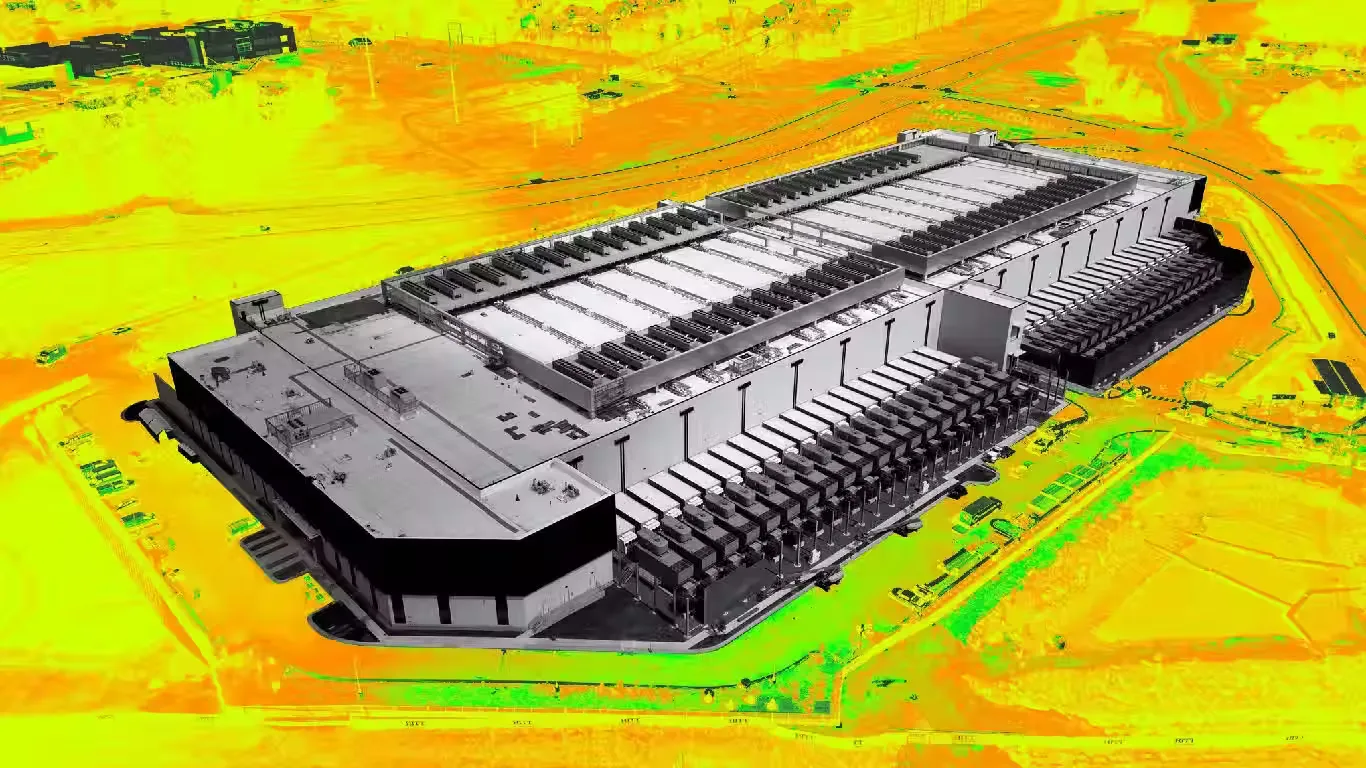
Microsoft has reported a 25 percent increase in its carbon emissions for 2025, mainly due to rapid growth in AI data centers. The company disclosed these figures in its 2026 Sustainability Report. Microsoft’s total emissions reached 34 million metric tons in 2025, measured without select interventions. The company identified the expansion of its data center infrastructure as the main driver of this increase.
Key Highlights
- Microsoft's carbon emissions rose 25 percent in 2025 due to AI data center expansion.
- Emissions reached 34 million metric tons according to the 2026 Sustainability Report.
- Google and Amazon also reported significant increases in emissions linked to AI infrastructure.
- Meta is investing C$13 billion in a new Canadian data center with major energy requirements.
- Water use and electricity demand are growing concerns as tech companies expand AI operations.
Microsoft also cited its decision to stop purchasing non-additional, unbundled renewable energy certificates as a factor in the higher emissions. These developments present new challenges for Microsoft’s goal to become carbon negative by 2030. The company aims to remove more carbon from the atmosphere than it emits by that year. This is not the first time Microsoft has reported a rise in emissions as it invests in AI infrastructure.
AI Growth and Environmental Impact
Microsoft’s report highlights the growing environmental cost of artificial intelligence. The company stated that AI infrastructure is increasing demand for energy, water, land, and materials. However, sustainability solutions are not scaling quickly enough to meet this demand. This trend is not unique to Microsoft. The technology sector as a whole is investing heavily in new data centers to support advanced AI models.
These data centers require large amounts of electricity to power thousands of specialized processors. They also need significant cooling systems to maintain operations. Google’s latest sustainability report also showed a 25 percent increase in supply chain emissions. Amazon reported a 16 percent rise in emissions during the same period. These figures highlight the environmental impact of the AI race among major technology companies.
Industry-Wide Data Center Expansion
Recent months have seen even larger investments in AI infrastructure. Reuters reported that C$13 billion (about $9.17 billion) is being invested in a new Canadian data center in Alberta. The facility will start with a capacity of 1 gigawatt and plans to expand to 1.8 gigawatts. This amount of electricity is enough to power nearly 800,000 homes.
To support this project, Meta will invest in new power generation and upgrade the electricity grid. The company also plans to offset the site’s electricity use through clean and renewable energy investments. Meta will use a closed-loop liquid cooling system to reduce water consumption at the facility.
Water use has become a growing concern as AI infrastructure expands. Amazon disclosed that its global data centers withdrew about 2.5 billion gallons of water in 2025. However, Amazon said it reduced direct water use compared to the previous year by using treated wastewater and outside air cooling where possible.
Balancing Growth and Sustainability
As AI adoption accelerates, technology companies face the challenge of balancing rapid infrastructure growth with ambitious sustainability goals. Microsoft’s latest report shows that aligning these objectives remains difficult. The environmental impact of expanding AI infrastructure continues to test the industry’s climate commitments.
Ad
Ad

XECH Launches SteamX Fold – A Hybrid Foldable Garment Steamer for Modern Lifestyles
XECH Technologies announced the launch of the SteamX Fold. The hybrid portable garment steamer is designed to make everyday clothing care faster, easier, and more convenient.
13-Jul-2026 06:48 AM

Vivo T5 Lite 44W Set for India Launch on July 16 With 120Hz Display
Vivo will launch the T5 Lite 44W smartphone in India on July 16, featuring a 120Hz display, MediaTek Dimensity 6300 chipset, IP65 rating, and a 6,500mAh battery with 44W wired charging support.
10-Jul-2026 04:30 AM
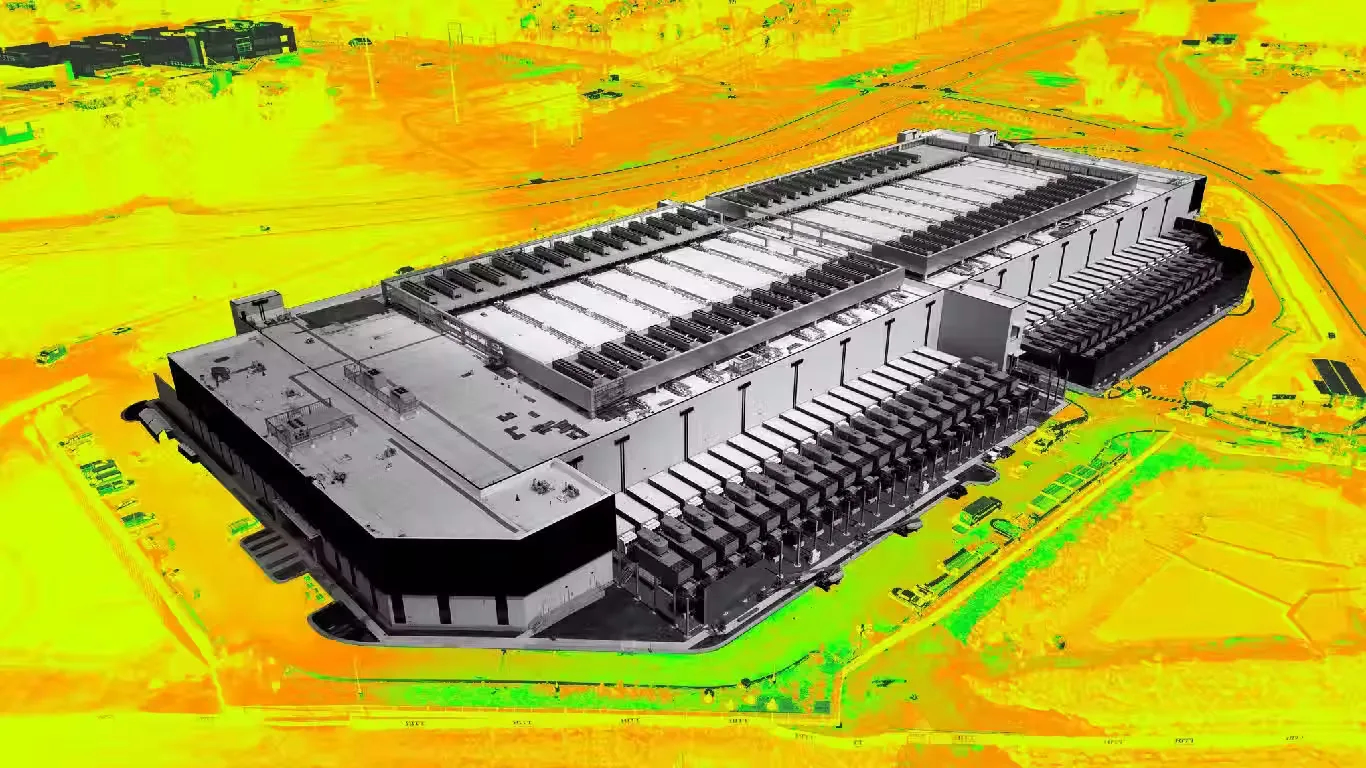
Microsoft Reports 25% Rise in Carbon Emissions Due to AI Data Center Expansion
Microsoft's 2026 Sustainability Report reveals a 25 percent rise in 2025 carbon emissions, mainly from AI data center expansion. Other tech giants, including Google, Amazon, and Meta, also report increased emissions and resource use.
10-Jul-2026 01:30 AM

Dixon Technologies and Vivo Secure Approval for Indian Smartphone Manufacturing Joint Venture
The Indian government approved a joint venture between Dixon Technologies and Vivo Mobile India to manufacture smartphones. Dixon will hold a 51 percent stake, with production expected to start by the December quarter and significant capacity expansion planned.
10-Jul-2026 12:30 AM

Meta Launches Muse Spark 1.1 AI Coding Tool with Competitive Pricing
Meta has introduced Muse Spark 1.1, an AI coding tool with competitive pricing and strong coding capabilities. The tool outperforms some rivals in benchmarks and marks a shift in Meta’s approach to proprietary AI models.
09-Jul-2026 11:30 PM
OpenAI Launches ChatGPT Work and Releases GPT-5.6 Models Globally
OpenAI has launched ChatGPT Work, an AI agent for workplace automation, and released three new GPT-5.6 models globally. The new features target enterprise users and integrate with major productivity tools.
09-Jul-2026 10:30 PM
Ad
Ad
Ad






Latest Televisions In India






Upcoming Televisions In India





Ad
Ad
Ad
 |
|
Delente Technologies Pvt. Ltd.
807, 808, 8th Floor,
IRIS Tech Tower Sohna Road Sector 48,
Gurugram, Haryana - 122018