


- News
- All News
- Mobiles
- Laptops
- Watches
- Cameras
- Printers
- Refrigerators
- Televisions
- Air Conditioners
- Washing Machines
- Air Purifiers
- Water Purifiers
- Expert Reviews
- All Reviews
- Mobiles
- Laptops
- Watches
- Cameras
- Printers
- Refrigerators
- Televisions
- Air Conditioners
- Washing Machines
- Air Purifiers
- Water Purifiers
- Articles
- All Articles
- Mobiles
- Laptops
- Watches
- Cameras
- Printers
- Refrigerators
- Televisions
- Air Conditioners
- Washing Machines
- Air Purifiers
- Water Purifiers
- Videos
- Videos

Ad
Microsoft Reports 25% Rise in Carbon Emissions Due to AI Data Center Expansion


on Google
on Google
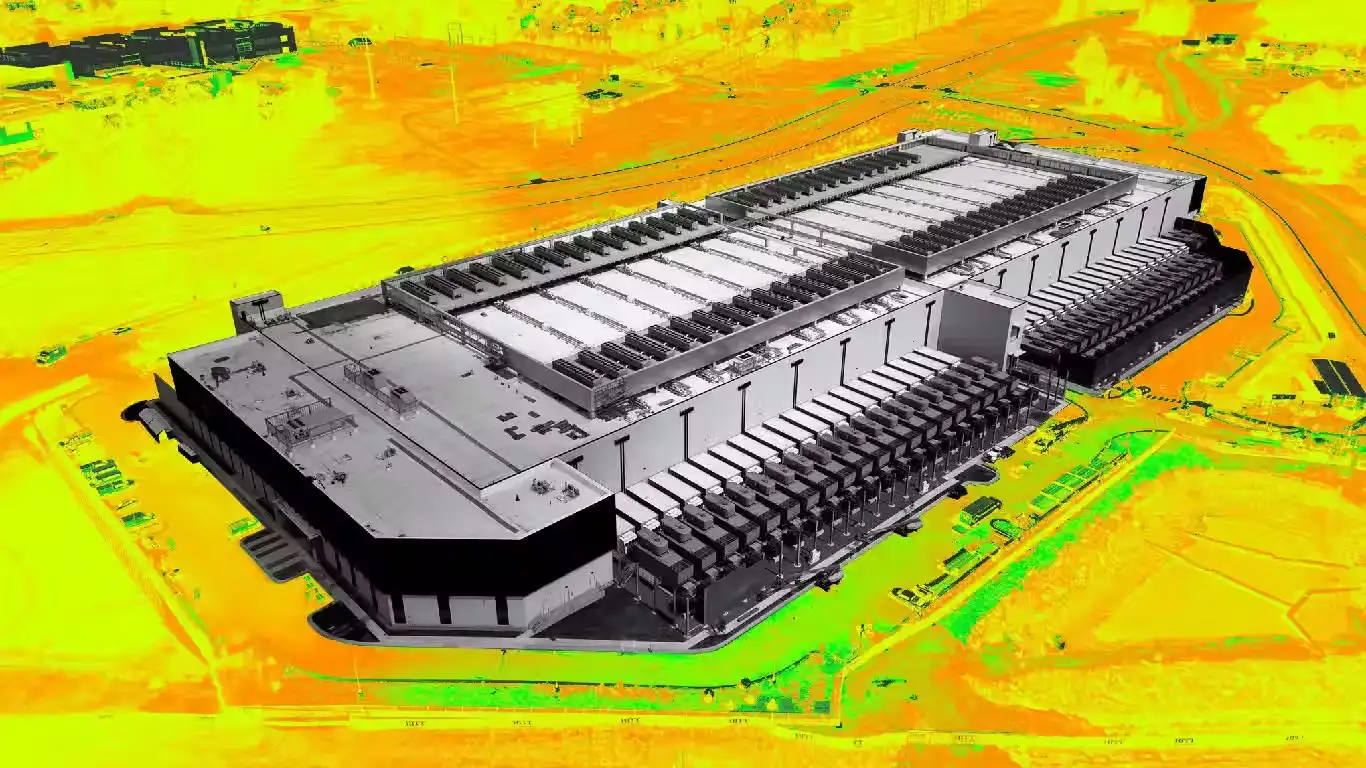
Microsoft has reported a 25 percent increase in its carbon emissions for 2025, mainly due to rapid growth in AI data centers. The company disclosed these figures in its 2026 Sustainability Report. Microsoft’s total emissions reached 34 million metric tons in 2025, measured without select interventions. The company identified the expansion of its data center infrastructure as the main driver of this increase.
Key Highlights
- Microsoft's carbon emissions rose 25 percent in 2025 due to AI data center expansion.
- Emissions reached 34 million metric tons according to the 2026 Sustainability Report.
- Google and Amazon also reported significant increases in emissions linked to AI infrastructure.
- Meta is investing C$13 billion in a new Canadian data center with major energy requirements.
- Water use and electricity demand are growing concerns as tech companies expand AI operations.
Microsoft also cited its decision to stop purchasing non-additional, unbundled renewable energy certificates as a factor in the higher emissions. These developments present new challenges for Microsoft’s goal to become carbon negative by 2030. The company aims to remove more carbon from the atmosphere than it emits by that year. This is not the first time Microsoft has reported a rise in emissions as it invests in AI infrastructure.
AI Growth and Environmental Impact
Microsoft’s report highlights the growing environmental cost of artificial intelligence. The company stated that AI infrastructure is increasing demand for energy, water, land, and materials. However, sustainability solutions are not scaling quickly enough to meet this demand. This trend is not unique to Microsoft. The technology sector as a whole is investing heavily in new data centers to support advanced AI models.
These data centers require large amounts of electricity to power thousands of specialized processors. They also need significant cooling systems to maintain operations. Google’s latest sustainability report also showed a 25 percent increase in supply chain emissions. Amazon reported a 16 percent rise in emissions during the same period. These figures highlight the environmental impact of the AI race among major technology companies.
Industry-Wide Data Center Expansion
Recent months have seen even larger investments in AI infrastructure. Reuters reported that C$13 billion (about $9.17 billion) is being invested in a new Canadian data center in Alberta. The facility will start with a capacity of 1 gigawatt and plans to expand to 1.8 gigawatts. This amount of electricity is enough to power nearly 800,000 homes.
To support this project, Meta will invest in new power generation and upgrade the electricity grid. The company also plans to offset the site’s electricity use through clean and renewable energy investments. Meta will use a closed-loop liquid cooling system to reduce water consumption at the facility.
Water use has become a growing concern as AI infrastructure expands. Amazon disclosed that its global data centers withdrew about 2.5 billion gallons of water in 2025. However, Amazon said it reduced direct water use compared to the previous year by using treated wastewater and outside air cooling where possible.
Balancing Growth and Sustainability
As AI adoption accelerates, technology companies face the challenge of balancing rapid infrastructure growth with ambitious sustainability goals. Microsoft’s latest report shows that aligning these objectives remains difficult. The environmental impact of expanding AI infrastructure continues to test the industry’s climate commitments.
Ad
Ad
Confused? Choose Your Phone
What Matters Most


Get TheWeekly Brief
One email each morning: the launches,
the price changes and the reviews
worth reading.

Ad
Ad
 |
|
807, 808, 8th Floor,
IRIS Tech Tower Sohna Road Sector 48,
Gurugram, Haryana - 122018