


- News
- All News
- Mobiles
- Laptops
- Watches
- Cameras
- Printers
- Refrigerators
- Air Conditioners
- Washing Machines
- Air Purifiers
- Water Purifiers
- Expert Reviews
- All Reviews
- Mobiles
- Laptops
- Watches
- Cameras
- Printers
- Refrigerators
- Air Conditioners
- Washing Machines
- Air Purifiers
- Water Purifiers
- Articles
- All Articles
- Mobiles
- Laptops
- Watches
- Cameras
- Printers
- Refrigerators
- Air Conditioners
- Washing Machines
- Air Purifiers
- Water Purifiers
- Videos
- Videos

Ad
Best of CES 2026: Product Roundup

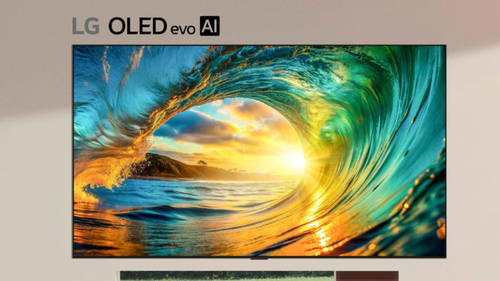
LG brought back its slim TV line with the Wallpaper OLED W6, a flat-panel set that hangs like art on your wall.
Key Highlights:
- Screen: 77-inch or 83-inch 4K OLED with brighter colors.
- Design: Just 9mm thick, mounts flat without bulky parts.
- Tech: Alpha 9 Gen 3 chip for clear wireless 4K video.
- Connections: Zero Connect Box handles inputs up to 10 meters away.
- Extra: One power cable only for a clean setup.
Performance and Features: The TV sends video and sound without wires, cutting clutter. It uses stacked OLED layers for vivid images and deep blacks, ideal for movies or sports.
Why It Stole the Show: In a show full of big screens, this one stands out for its simple, space-saving build that fits modern homes. Experts praised its bright panel and easy install.
Price: Around $3,000 to $5,000 depending on size.
Verdict: Great for anyone wanting a big TV without taking up room.
2. Motorola Razr Fold
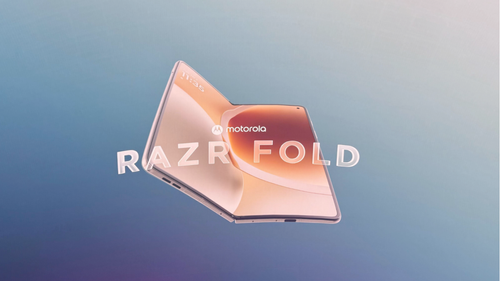
Motorola entered the large foldable market with the Razr Fold, a phone that opens like a book for more screen space.
Key Highlights:
- Screens: 6.6-inch outer display, 8.1-inch 2K inner screen.
- Cameras: Three 50MP back lenses, 32MP front, 20MP inside.
- Build: Slim fold with stylus support for notes or drawing.
- AI: On-device tools for quick edits and tasks.
- Battery: All-day power with fast charge.
Performance and Features: It handles multitasking well, like running apps side-by-side. The cameras capture sharp photos in low light, and AI helps with editing.
Why It Stole the Show: As Motorola's first big foldable, it challenges Samsung with a sleek look and useful features at CES. Hands-on tests showed smooth folding without creases.
Price: Expected $1,200 to $1,500.
Verdict: Suits users who need a phone that turns into a mini-tablet.
3. Samsung Galaxy Z TriFold
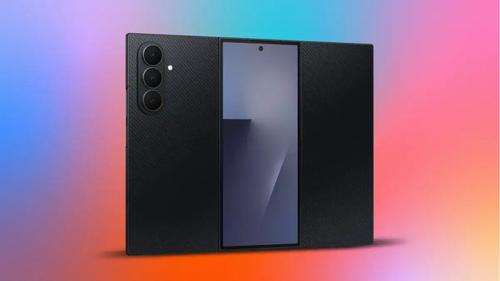
Samsung pushed foldables further with the Galaxy Z TriFold, a phone that unfolds into a large tablet.
Key Highlights:
- Design: Folds three ways, from phone to 10-inch screen.
- Display: Flexible AMOLED with high refresh for smooth scrolling.
- Cameras: Multi-lens setup for wide shots and zooms.
- Power: Snapdragon chip with AI for better battery use.
- Durability: Strong hinge tested for daily folds.
Performance and Features: It runs multiple apps at once on the big screen, great for work or video. AI optimizes speed and saves power.
Why It Stole the Show: The tri-fold setup wowed crowds as a true phone-tablet hybrid, setting a new bar for flexible tech.
Price: Around $1,800 to $2,200.
Verdict: Ideal for multitaskers who want one device for everything.
4. Intel Core Ultra Series 3 (Panther Lake)
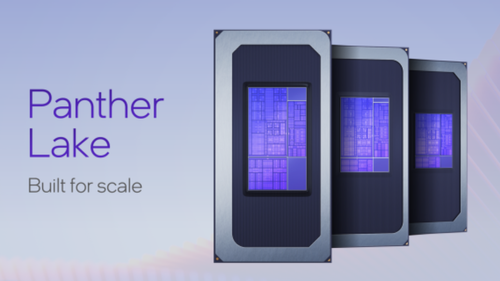
Intel launched its Core Ultra Series 3 processors, built for faster AI tasks in laptops.
Key Highlights:
- Cores: Mix of performance and efficiency for balanced speed.
- AI: Up to 50 TOPS NPU for quick edits and voice commands.
- Graphics: Built-in Xe for smooth video and light gaming.
- Process: 18A tech for better power use.
- Support: Works with new laptops from Dell and Lenovo.
Performance and Features: It handles heavy jobs like photo editing without slowing down, and saves battery for longer use.
Why It Stole the Show: As the first on Intel's new process, it boosts AI in everyday devices, exciting laptop makers. Pre-orders started right after CES.
Price: In laptops from $800 up.
Verdict: Boosts any new PC for AI and efficiency.
5. Lenovo Legion Go 2 SteamOS
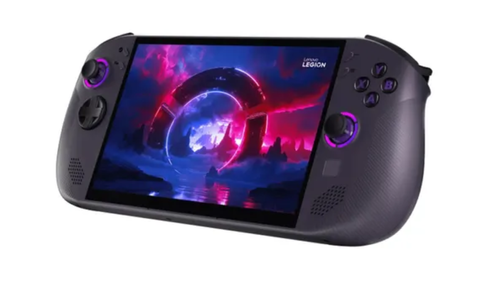
Lenovo updated its gaming handheld with a SteamOS version for direct game access.
Key Highlights:
- OS: SteamOS for quick library loading and saves.
- Screen: High-res display with smooth 144Hz refresh.
- Controls: Detachable joysticks for flexible play.
- Power: AMD chip for high-frame games.
- Battery: Long playtime with fast charge.
Performance and Features: It pauses and resumes games fast, like a console on the go. Works with cloud saves for seamless switches.
Why It Stole the Show: The SteamOS addition makes it user-friendly for gamers, standing out in handhelds.
Price: $600 to $800.
Verdict: Perfect for portable gaming without setup hassles.
6. Razer Project Ava
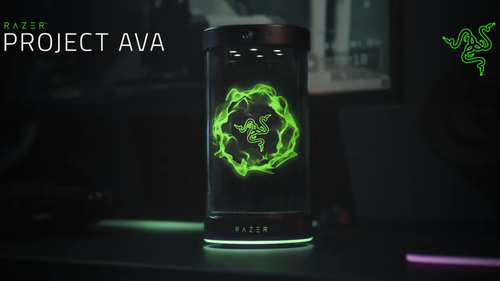
Razer showed Project Ava, a desk device with a holographic AI helper.
Key Highlights:
- Design: Cylinder with 5.5-inch avatar display.
- AI: Six avatars for gaming tips and chats.
- Features: Voice commands for tasks and reminders.
- Integration: Links to PC for game help.
- Audio: Built-in speakers for clear responses.
Performance and Features: The avatar reacts in real time, making interactions fun and helpful for gamers.
Why It Stole the Show: It blends AI with a visual buddy, adding personality to tech assistants. CES demos highlighted its gaming focus.
Price: $300 to $500.
Verdict: Fun add-on for desks to make gaming smarter.
CES 2026 Emerging Trends
- Foldable Growth: Phones like the Razr Fold and Z TriFold show flexible screens becoming common for bigger views in small packages.
- AI Everywhere: From processors to home devices, AI handles tasks smarter, like voice helpers and auto-edits.
- Slim Designs: Gadgets like LG's TV focus on thin builds to save space and look clean.
- Gaming Portables: Handhelds with easy OS like SteamOS make on-the-go play simpler.
- Wireless Tech: More devices cut cords for easier setups in homes and offices.
Also Read: Best Smartphones with Snapdragon 7 Gen 4 Processor
Choosing the Right CES 2026 Gadget for Your Needs
| Use Case | Best Model | Why |
|---|---|---|
| Home Entertainment | LG Wallpaper OLED W6 | Thin design for wall-mount viewing |
| On-the-Go Productivity | Motorola Razr Fold | Expands for work apps |
| Multi-Device Users | Samsung Galaxy Z TriFold | Phone to tablet switch |
| PC Upgrades | Intel Core Ultra Series 3 | Fast AI for editing |
| Portable Gaming | Lenovo Legion Go 2 SteamOS | Easy game access anywhere |
| Desk Assistant | Razer Project Ava | AI help for tasks |
Final Thoughts: CES 2026 Sets the Stage for Smarter Tech
CES 2026 delivered gadgets that make life easier, from foldable phones to AI helpers. With a focus on thin designs and quick AI, these items fit real needs like saving space or speeding tasks. As launches roll out through 2026, watch for how they change homes and work. Brands like LG and Samsung lead with practical updates, while Motorola and Razer add fun twists.
Comparos Says: The best CES 2026 gadgets mix new ideas with everyday use, from LG's slim TV to Samsung's tri-fold phone." These picks show tech getting closer to what people want—simple, powerful tools for better living.
Ad
Ad
Confused? Choose Your Phone
What Matters Most


Get TheWeekly Brief
One email each morning: the launches,
the price changes and the reviews
worth reading.

Ad
Ad
 |
|
807, 808, 8th Floor,
IRIS Tech Tower Sohna Road Sector 48,
Gurugram, Haryana - 122018