


- News
- All News
- Mobiles
- Laptops
- Watches
- Cameras
- Printers
- Refrigerators
- Air Conditioners
- Washing Machines
- Air Purifiers
- Water Purifiers
- Expert Reviews
- All Reviews
- Mobiles
- Laptops
- Watches
- Cameras
- Printers
- Refrigerators
- Air Conditioners
- Washing Machines
- Air Purifiers
- Water Purifiers
- Articles
- All Articles
- Mobiles
- Laptops
- Watches
- Cameras
- Printers
- Refrigerators
- Air Conditioners
- Washing Machines
- Air Purifiers
- Water Purifiers
- Videos
- Videos

Ad
Should You Buy a Smart AC in India 2026? Pros, Cons, and Top Models

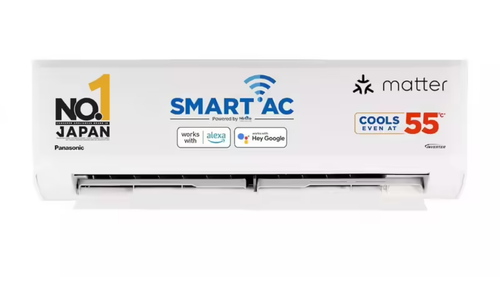
This model is part of Panasonic's 2026 lineup with 57 new options. It has DustBuster tech to remove dust from the outdoor unit.
Key Highlights:
- Capacity: 1.5 ton
- Energy Rating: 5 Star (saves up to 40% power)
- Compressor: Inverter for quiet run
- Cooling Speed: 7-in-1 convertible modes
- Battery/Filter: PM 0.1 air filter for clean air
- Connectivity: Wi-Fi, Matter enabled for smart home link
Performance and Features: It cools fast even in 55°C heat. The app lets you set timers and check power use. Voice control works with Alexa or Google. Auto clean keeps it dust-free, good for dusty areas like Delhi or Mumbai.
Why It's Worth Buying: Great for families who want clean air and low bills. New 2026 model handles India's hot weather well.
Price: ₹42,000–₹45,000
Verdict: Top pick for energy savings and smart control in 2026.
2. Samsung 1.5 Ton 4 Star Bespoke AI WindFree Inverter Split AC
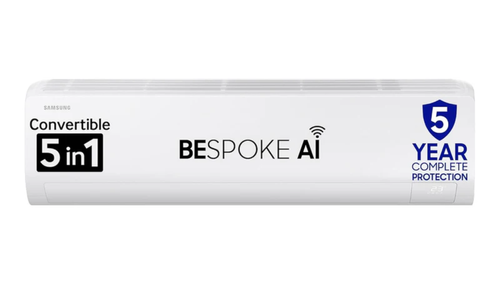
From Samsung's 2026 Bespoke AI range with 23 models. It uses AI to learn your habits.
Key Highlights:
- Capacity: 1.5 ton
- Energy Rating: 4 Star (efficient for daily use)
- Compressor: Inverter with WindFree tech (no direct cold air)
- Cooling Speed: AI auto adjust
- Battery/Filter: Digital inverter, hygiene filter
- Connectivity: Wi-Fi, Bixby voice control
Performance and Features: Cools room evenly without cold spots. App shows energy reports and sets schedules. Works in high heat up to 54°C. Quiet mode for night use.
Why It's Worth Buying: Good for kids or elders who don't like direct air. AI makes it easy to use without manual changes.
Price: ₹38,000–₹42,000
Verdict: Best for comfort-focused homes with smart AI in 2026.
3. LG 1.5 Ton 5 Star Dual Inverter Smart Split AC (TS-Q18ENXE)
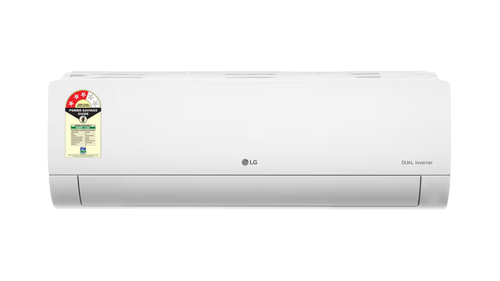
LG's 2026 Essential Series meets new BEE rules early. It has UV Nano for germ-free air.
Key Highlights:
- Capacity: 1.5 ton
- Energy Rating: 5 Star (low power use)
- Compressor: Dual inverter for fast cooling
- Cooling Speed: 6-in-1 convertible
- Battery/Filter: PM 1.0 sensor, auto clean
- Connectivity: Wi-Fi, ThinQ app, voice with Alexa/Google
Performance and Features: Cools 52% faster than normal. App controls from anywhere, checks filter status. Works in 54°C heat. Low noise at 26 dB.
Why It's Worth Buying: Strong on health with air purify features. Good for cities with pollution like Gurugram or Bangalore.
Price: ₹40,000–₹44,000
Verdict: Ideal for health-conscious buyers in 2026.
4. Daikin 1.5 Ton 5 Star Inverter Smart Split AC (MTKM50U)
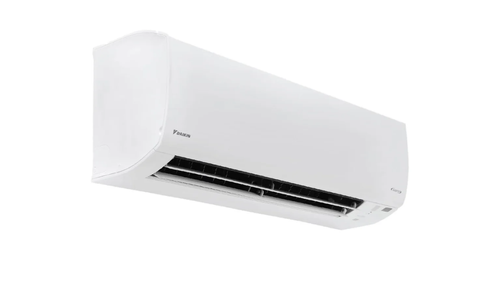
Daikin's 2026 model with smart add-ons. Known for durable build.
Key Highlights:
- Capacity: 1.5 ton
- Energy Rating: 5 Star (high efficiency)
- Compressor: Inverter with Coanda airflow
- Cooling Speed: Power chill mode
- Battery/Filter: Streamer discharge for air clean
- Connectivity: Wi-Fi, app control, voice compatible
Performance and Features: Cools large rooms quick. App sets timers and monitors use. Handles humidity well. Quiet at 25 dB.
Why It's Worth Buying: Reliable for long-term use. Good for humid places like coastal areas.
Price: ₹45,000–₹48,000
Verdict: Strong choice for durability and smart basics in 2026.
These models show how smart ACs in 2026 focus on power savings and easy use. Prices are approximate ex-showroom in cities like Gurugram.
Pros and Cons of Buying a Smart AC in 2026
Smart ACs connect to your phone or home devices. Normal ACs don't. Here's a simple breakdown.
Pros of Smart AC:
- Easy Control: Turn on/off from work or bed using app. Set times to cool before you reach home.
- Save Power: They adjust cooling based on room temp or people. Can cut bills by 20-40% vs normal AC. New BEE rules make them even better.
- Better Comfort: Voice commands like "Alexa, set AC to 24°C". Some check air quality and clean filters auto.
- Home Integration: Link with other smart devices like lights or fans. Good for modern homes.
- Usage Reports: App shows how much power you use, helps save more.
Cons of Smart AC:
- Higher Cost: ₹10,000-15,000 more than normal AC. Setup might need extra for Wi-Fi.
- Needs Internet: No Wi-Fi means no remote control. Power cuts or slow net can cause issues.
- Privacy Worries: Apps collect data on your use. Some fear hacks, but big brands have safety.
- Complex for Some: Older people might find apps hard. Normal AC is simpler.
- Repair Costs: Smart parts can be pricey to fix if broken.
In 2026, pros outweigh cons for most if you have good internet. But for basic needs, normal AC works fine.
India’s AC Market in 2026: Emerging Trends and Shifts
India's AC market is booming due to hotter weather and more buyers in small towns. Sales hit 10 million units in 2025, expected to grow 5-10% in 2026. Key trends:
-
Energy Efficiency Focus: New BEE rules from Jan 2026 make all ACs use less power. 5-star models save up to 35% on bills. Brands like LG and Panasonic launched compliant ranges early.
-
Smart Features Rise: Over 40% new ACs are smart. AI adjusts cooling auto, saves energy. Samsung's AI WindFree and Panasonic's Matter-enabled models lead.
-
Inverter Dominance: 80% sales are inverter ACs. They run quiet and save power vs old fixed-speed.
-
Health and Clean Air: Models with PM filters and UV clean are popular post-pollution rise. Good for cities like Gurugram.
-
Eco-Friendly Changes: Low-GWP refrigerants in new models cut environment harm. Government pushes green ACs with subsidies.
Also Read: Window AC or Split AC: What Should You Choose in 2026?
Choosing the Right AC for Your Needs in 2026
Decide based on room size, budget, and needs. Here's a guide with 4 model suggestions: 2 smart, 2 normal.
| Use Case | Best Model | Why |
|---|---|---|
| Busy Home, Want Remote Control | Panasonic NU18AKY5WX (Smart) | App and voice for easy use, saves power |
| Smart Home with AI Needs | Samsung Bespoke AI (Smart) | Auto learns habits, no direct air |
| Basic Cooling, Low Budget | Voltas 1.5 Ton 3 Star Fixed Speed (Normal) | Cheap, simple, good for small rooms |
| Reliable, No Extras | Blue Star 1.5 Ton 3 Star Inverter (Normal) | Efficient without smart, durable |
For rooms under 120 sq ft, 1 ton is enough. Add 0.5 ton for sunny sides. Check ISEER rating for efficiency.
Final Thoughts: Is a Smart AC Right for You in India 2026?
In 2026, smart ACs offer big advantages like power savings and easy control, especially with new energy rules. Models from Panasonic, Samsung, LG, and Daikin make cooling smarter and greener. But if you don't need apps or have low budget, normal ACs still work well. Think about your daily use: if you forget to turn off AC or want lower bills, go smart. India's market is shifting to efficient, connected options, so now is a good time to upgrade for comfort and savings.
Comparos Says: Smart ACs in 2026 mix convenience with savings, perfect for modern life. Pick based on needs—smart for tech fans, normal for basics—to stay cool without high costs.
Ad
Ad
Confused? Choose Your Phone
What Matters Most


Get TheWeekly Brief
One email each morning: the launches,
the price changes and the reviews
worth reading.

Ad
Ad
 |
|
807, 808, 8th Floor,
IRIS Tech Tower Sohna Road Sector 48,
Gurugram, Haryana - 122018