


- News
- All News
- Mobiles
- Laptops
- Watches
- Cameras
- Printers
- Refrigerators
- Air Conditioners
- Washing Machines
- Air Purifiers
- Water Purifiers
- Expert Reviews
- All Reviews
- Mobiles
- Laptops
- Watches
- Cameras
- Printers
- Refrigerators
- Air Conditioners
- Washing Machines
- Air Purifiers
- Water Purifiers
- Articles
- All Articles
- Mobiles
- Laptops
- Watches
- Cameras
- Printers
- Refrigerators
- Air Conditioners
- Washing Machines
- Air Purifiers
- Water Purifiers
- Videos
- Videos

Ad
Smart TV vs Android TV: Complete Comparison

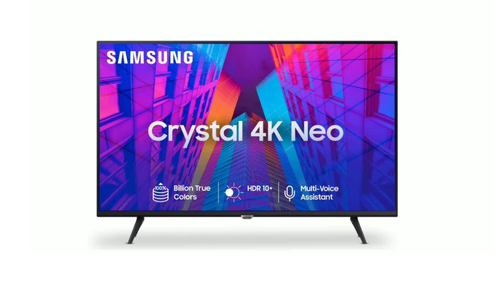
Samsung's mid-range 43-inch to 65-inch TVs use Tizen OS with Crystal Processor 4K, HDR support, and extensive app library. Prices range ₹35,000-₹80,000 depending on size. The interface integrates Bixby voice assistant and Samsung Health features.
LG UQ Series (webOS):
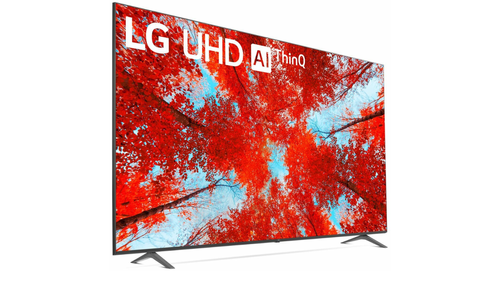
LG's budget-friendly UQ series from 43-inch to 55-inch features webOS with Magic Remote, AI ThinQ, and Filmmaker Mode. Pricing starts ₹32,000 extending to ₹60,000. The webOS interface organizes content through horizontal ribbon navigation.
Hisense E6N Series (VIDAA OS):
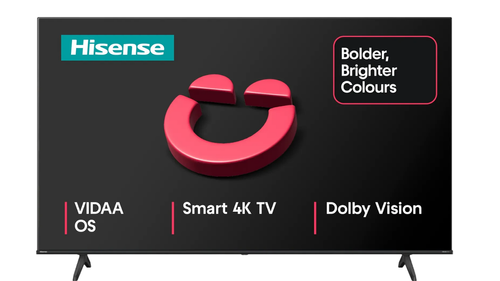
Hisense offers 43-inch to 55-inch models with VIDAA OS, 4K resolution, and Dolby Vision support starting ₹28,000. The VIDAA platform provides streamlined interface with essential apps pre-installed.
What is Android TV?
Android TV represents Google's television operating system based on Android mobile platform adapted for large screens. Google licenses Android TV to multiple manufacturers creating standardized experience across brands. The platform provides access to Google Play Store enabling thousands of app downloads beyond pre-installed options.
Google Ecosystem Integration
Android TV integrates deeply with Google services including Google Assistant for voice control, Chromecast built-in for casting content from mobile devices, and Google Home integration for smart home control. Users with Android smartphones experience seamless connectivity with automatic sign-in and content synchronization.
The Google Assistant responds to voice commands for content search, smart home control, and general queries. The Chromecast functionality eliminates need for separate casting devices. Google account integration syncs preferences across devices maintaining consistent experience.
Android TV Advantages
Vast App Selection: Google Play Store provides access to thousands of applications including streaming services, games, utility apps, and niche content providers. Users install apps freely without manufacturer restrictions creating customizable experience.
Regular Google Updates: Google pushes Android TV updates directly ensuring users receive latest features, security patches, and performance improvements. The update frequency typically exceeds proprietary operating systems.
Universal Search: Google's search functionality scans across installed apps finding content regardless of source. Searching "Avengers" displays results from Netflix, Prime Video, Disney+ Hotstar, and other installed services simultaneously.
Gaming Capabilities: Android TV supports extensive game library from Google Play Store including controller-compatible titles. The platform handles casual to mid-tier games effectively.
Android TV Examples from Major Brands
Xiaomi X Series (Android TV 11): Xiaomi's 43-inch to 65-inch X Series TVs feature Android TV 11, 4K panels, Dolby Vision, and 30W speakers. Prices start ₹28,000 extending to ₹70,000. The interface includes Patchwall UI overlay adding content curation.
Sony Bravia 3 Series (Google TV):
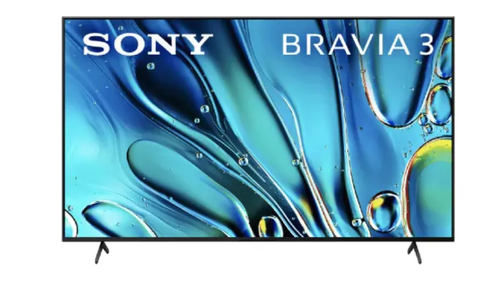
Sony's budget Bravia series from 43-inch to 55-inch runs Google TV (evolved Android TV) with cognitive processor, Triluminos display, and premium build. Pricing ranges ₹45,000-₹75,000. Google TV interface improves content discovery through AI recommendations.
TCL P Series (Android TV 11):
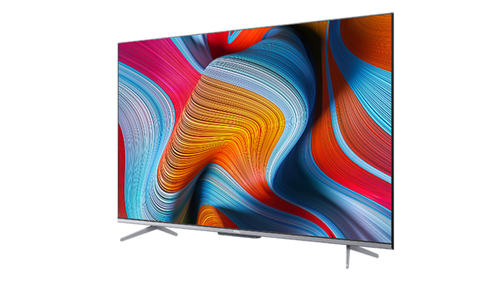
TCL offers 43-inch to 65-inch P Series with Android TV 11, 4K HDR, and Dolby Audio starting ₹26,000. The stock Android TV experience provides clean interface without heavy customization.
OnePlus Y Series (Android TV 11):
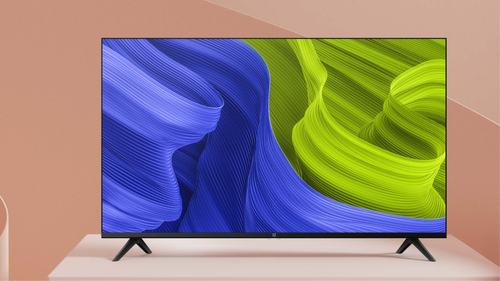
OnePlus 43-inch to 55-inch Y Series features Android TV 11, Gamma Engine, and Oxygen Play integration priced ₹24,000-₹40,000. The interface maintains near-stock Android TV with minimal bloatware.
Feature Comparison: Smart TV vs Android TV
App Availability
Smart TV: Limited to manufacturer-approved apps through proprietary stores. Major streaming services remain available though niche content providers may be absent. Adding new apps depends on manufacturer negotiations with service providers.
Android TV: Extensive app library through Google Play Store. Users install virtually any Android TV compatible app including regional services, international content providers, and utility applications. App availability matches smartphone ecosystem breadth.
Voice Assistant
Smart TV: Manufacturers integrate various assistants—Samsung uses Bixby, LG employs Google Assistant and Alexa, other brands vary. Voice command capabilities depend on assistant quality and integration depth.
Android TV: Google Assistant built-in across all Android TV devices ensuring consistent voice control experience. Commands work uniformly regardless of TV manufacturer.
Updates and Longevity
Smart TV: Update frequency varies by manufacturer and model tier. Premium models receive 3-5 years of updates while budget models may receive limited support. Updates depend on manufacturer priorities.
Android TV: Google provides regular updates with 3-4 years of guaranteed support. Updates roll out consistently across brands though timing may vary. Longer-term software support expected compared to proprietary systems.
User Interface
Smart TV: Interfaces vary significantly between brands. Samsung's Tizen features horizontal navigation, LG's webOS uses card-based layout, VIDAA employs grid system. Learning curve exists when switching brands.
Android TV: Standardized interface across manufacturers with minor brand customizations. Users switching between Android TV brands find familiar navigation reducing learning requirements.
Price Comparison
| TV Type | Entry Price | Mid-Range | Premium |
|---|---|---|---|
| Smart TV (Samsung) | ₹32,000 | ₹50,000-₹80,000 | ₹1,00,000+ |
| Smart TV (LG) | ₹30,000 | ₹45,000-₹75,000 | ₹90,000+ |
| Android TV (Xiaomi) | ₹24,000 | ₹35,000-₹60,000 | ₹80,000+ |
| Android TV (Sony) | ₹40,000 | ₹60,000-₹1,00,000 | ₹1,50,000+ |
| Android TV (TCL) | ₹22,000 | ₹30,000-₹50,000 | ₹70,000+ |
Android TV models from Chinese brands (Xiaomi, TCL, OnePlus) typically cost 15-25% less than Samsung/LG Smart TVs with comparable specifications. Sony Android TVs command premium pricing due to superior panel quality and processing.
Which One Should You Buy?
Choose Smart TV (Tizen/webOS) If:
- You prefer premium build quality from Samsung or LG
- Brand ecosystem integration matters (Samsung devices, LG appliances)
- You want refined, optimized user interface
- Limited app requirements with major streaming services sufficient
- Willing to pay premium for brand reputation
- Prefer proprietary voice assistants (Bixby) or specific features
Best For: Brand-loyal buyers, premium segment customers, users with existing Samsung/LG ecosystem, buyers prioritizing build quality over app flexibility.
Choose Android TV If:
- You want maximum app selection and flexibility
- Google ecosystem integration important (Android phones, Google Home)
- You prefer stock Google experience with regular updates
- Gaming on TV interests you
- Budget consciousness matters with Chinese brand options
- You frequently install niche or regional apps
Best For: Android smartphone users, budget-conscious buyers, tech enthusiasts wanting customization, users requiring extensive app library, Google ecosystem participants.
Real-World Usage Scenarios
Streaming-Focused User: Both platforms handle Netflix, Prime Video, Disney+ Hotstar equally well. Android TV provides slight edge through universal search across services. Smart TV users navigate individual apps separately.
Smart Home Integration: Android TV users with Google Home devices enjoy seamless control. Samsung Smart TV users with SmartThings ecosystem experience similar integration. Cross-ecosystem compatibility favors Android TV's broader device support.
Gaming: Android TV offers superior gaming experience through Google Play Store game library and controller support. Smart TVs provide basic gaming through limited app selections.
Regional Content: Android TV advantages emerge with regional streaming services and language-specific apps readily available through Play Store. Smart TVs depend on manufacturer app agreements potentially missing niche services.
Also Read: Best Phones Under ₹20,000 in India 2026
Conclusion
Smart TV and Android TV serve different user priorities with overlapping capabilities. Samsung and LG Smart TVs deliver refined experiences, premium build quality, and optimized performance with proprietary operating systems. These suit buyers prioritizing brand reputation, ecosystem integration, and premium positioning.
Android TV provides flexibility through extensive app library, regular Google updates, universal search, and generally lower pricing especially from Chinese manufacturers. This platform benefits users wanting customization, gaming capabilities, and Google ecosystem integration.
The choice depends on individual priorities—premium brand experience versus app flexibility, proprietary optimization versus Google integration, higher pricing versus budget consciousness. Both platforms deliver competent streaming experiences with differences emerging in ecosystem integration, app availability, and long-term software support.
Comparos Says: The best choice between Smart TV and Android TV depends on existing device ecosystems, app requirements, and budget constraints. Samsung/LG Smart TVs suit premium buyers within those ecosystems, while Android TV offers broader compatibility and app selection at competitive pricing across multiple manufacturers.
Ad
Ad
Confused? Choose Your Phone
What Matters Most


Get TheWeekly Brief
One email each morning: the launches,
the price changes and the reviews
worth reading.

Ad
Ad
 |
|
807, 808, 8th Floor,
IRIS Tech Tower Sohna Road Sector 48,
Gurugram, Haryana - 122018