



Ad
AI Tools Can Identify Photo Locations Without GPS, Study Finds



Follow Us:


5,988 views
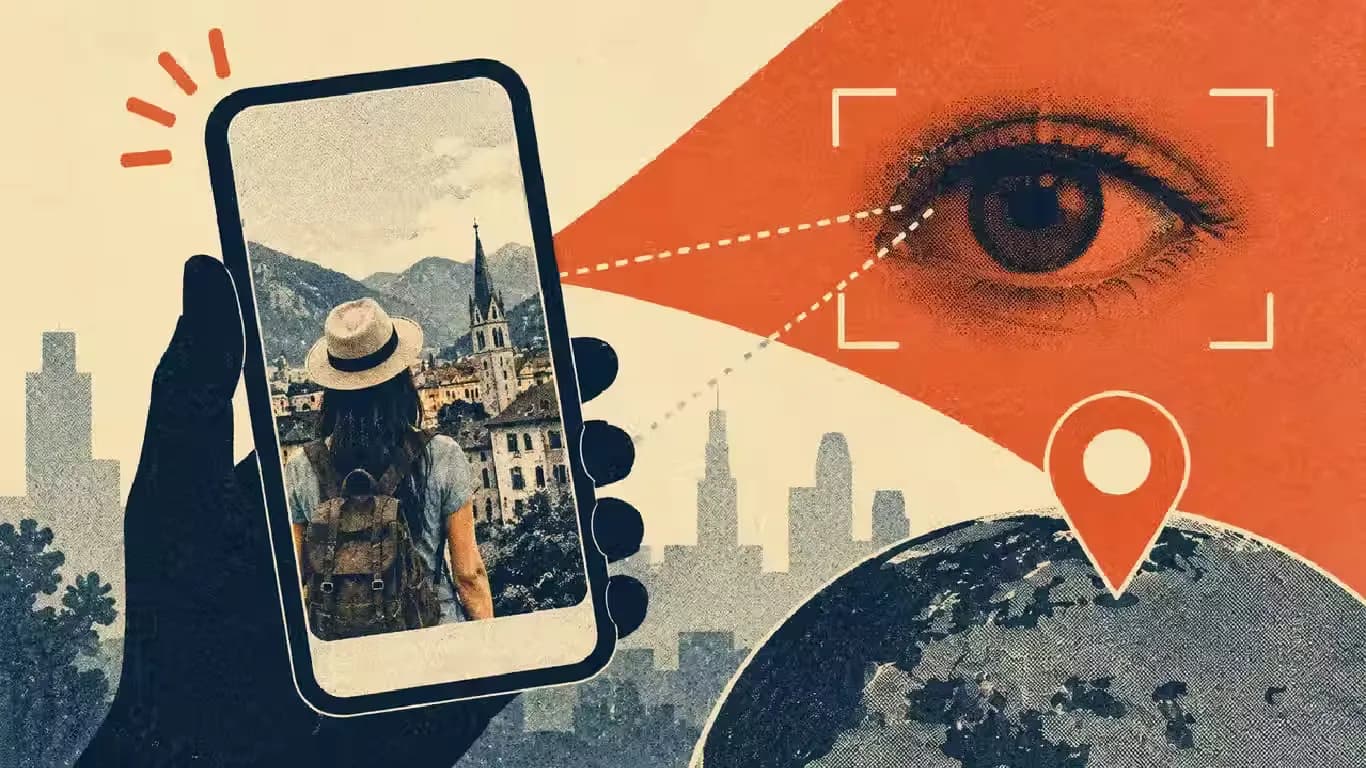
AI tools can now identify the locations of photos posted on social media, even without GPS data or location tags, according to a new study by McAfee. The research found that artificial intelligence models can determine the correct city and country in nearly 90 percent of cases, raising concerns about privacy and security for social media users.
Key Highlights
- AI models identified city and country in photos with up to 91 percent accuracy without GPS data.
- Study used 21,236 travel images and tested Google's Gemma 3 27B and Qwen 3 VL 30B models.
- Scammers could use AI to personalize fraud by analyzing public social media photos for location clues.
- India reported 28.15 lakh cybercrime cases in 2025, a 24 percent increase from the previous year.
AI Models Accurately Identify Locations
McAfee's study tested two open-weight AI models: Google's Gemma 3 27B and Qwen 3 VL 30B. Both models are available for public use without subscription fees. Researchers uploaded 21,236 travel images to these models, providing only the photo and a simple prompt asking for the location. No GPS metadata, EXIF data, or file names were included. Human reviewers checked cases where place names could have multiple interpretations.
The results showed Gemma 3 27B correctly identified the city and country 87 percent of the time. Qwen 3 VL 30B performed slightly better, reaching 91 percent accuracy. The AI models used visual cues in the images, such as architecture, signage, skylines, street markings, storefronts, and food stalls, to make their determinations.
Implications for Privacy and Security
The study found that images taken at well-known tourist sites or locations with distinctive features were easier for AI to identify. Generic scenes like beaches, rural roads, or hotel rooms posed more difficulty, but the models still often identified the country. In some cases, AI tools identified locations from personal travel photos that had never been posted publicly. For example, an AI model correctly recognized a river scene as Hastings-on-Hudson, a small village in New York, United States.
McAfee warns that this capability could help scammers create more personalized fraud attempts. Scammers could use public travel photos from platforms like Instagram, Facebook, or X, run them through AI models, and determine likely destinations and travel times. They could then send messages referencing those locations, such as alerts about unusual bank activity or attempted logins from the identified place. These messages do not need to be exact, only believable enough to lower suspicion.
Cybercrime Trends in India
Cybercrime is increasing in India. The Ministry of Home Affairs reported 28.15 lakh cases in 2025, a 24 percent rise from 22.68 lakh cases in 2024. Losses from cybercrimes reached Rs 22,495 crore last year. These trends highlight the growing risks associated with sharing personal information and images online.
Experts advise caution when posting photos on social media, especially those taken at recognizable landmarks. While AI models may struggle with generic images, they can still often determine the country or region. Users should consider these risks before sharing travel photos publicly.
Latest News



Reviews & Guides
View All


Samsung Galaxy Buds 4 Pro Review: क्या ₹22,999 में मिलते हैं सबसे बेहतरीन प्रीमियम वायरलेस ईयरबड्स?

कंटेंट क्रिएटर के लिए सबसे दमदार बैटरी लाइफ वाले Windows लैपटॉप, 18 घंटे की मिलेगी बैटरी लाइफ

Samsung Galaxy S26 Ultra क्यों है साल का सबसे बेहतरीन स्मार्टफोन? जानें 5 बड़े कारण

MacBook Neo Review: सस्ता नहीं, Apple का मास्टरस्ट्रोक है ये Laptop!

Samsung Galaxy S26 Ultra Review: AI से लेकर प्राइवेसी डिस्प्ले है सबसे खास, जानें कैसी है परफॉरमेंस

Vivo V70 Elite Review 2026: Price in India, Specs, Features

Acer Launches New Nitro 5 Series in india starting price of 167,990

Flipkart Freedom Sale 2026 Starts August 8 With Big Discounts on Smart TVs

Samsung has unveiled its first credit card, Earn 5% back

5 Anti-Scam Tools on WhatsApp that protect you from Digital Fraud

How Samsung’s Galaxy S26 Series is Democratizing Mobile Filmmaking

30,000 से कम आने वाले बेस्ट स्मार्टफोन, 4K वीडियो शूट और फुल डे बैटरी लाइफ