


- News
- All News
- Mobiles
- Laptops
- Watches
- Cameras
- Printers
- Refrigerators
- Air Conditioners
- Washing Machines
- Air Purifiers
- Water Purifiers
- Expert Reviews
- All Reviews
- Mobiles
- Laptops
- Watches
- Cameras
- Printers
- Refrigerators
- Air Conditioners
- Washing Machines
- Air Purifiers
- Water Purifiers
- Articles
- All Articles
- Mobiles
- Laptops
- Watches
- Cameras
- Printers
- Refrigerators
- Air Conditioners
- Washing Machines
- Air Purifiers
- Water Purifiers
- Videos
- Videos

Ad
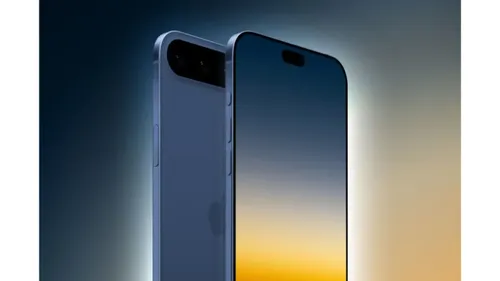
iPhone 17 Air's Slim Profile May Not Meet Expectations: Report

Key Highlights
- The iPhone 17 Air, set to launch in late 2025, may not reach the desired slimness due to technical issues with new battery technology.
- Despite the setbacks, it will still be smaller than the iPhone 6, which is Apple's thinnest smartphone to date.
- The iPhone 17 Air is expected to feature a 120Hz display and be powered by the new A19 chip, along with other innovative features.
Apple's highly anticipated iPhone 17 Air may fall short of its initial design goals, particularly regarding its slim profile, according to a report from Naver Blog. While Apple aimed to set a new standard for sleekness in smartphones, technical hurdles related to battery technology could hinder these aspirations. Currently, the iPad Pro M4 is Apple's thinnest product at 5.1mm, but the iPhone 17 Air is still expected to be slimmer than the iPhone 6, which was released in 2014.
The iPhone 17 Air was originally intended to incorporate a new battery technology with a thinner substrate that could reduce the device's thickness. However, due to technical challenges and cost considerations, Apple may revert to its existing battery technology. As a result, while the iPhone 17 Air won’t achieve the targeted slimness, it is projected to measure around 6mm, making it an appealing option for those seeking a sleek device.
In addition to its intended slim design, the iPhone 17 Air is rumored to include significant upgrades, such as being the first non-Pro iPhone to feature a 120Hz display. It is also expected to be powered by the next-generation A19 chip, which would enhance performance and efficiency. Other anticipated features include an Action Button, Camera Control, and various improvements through Apple Intelligence.
As Apple addresses these challenges, Samsung is reportedly developing its alternative to the iPhone 17 Air, known as the Galaxy S25 Slim, which is expected to launch in Q2 2025. This device aims to be the thinnest flagship smartphone from Samsung, highlighting the competitive nature of the market as companies strive to deliver the sleekest designs.
Overall, while the iPhone 17 Air may not fully meet expectations regarding its slim profile, it remains a highly anticipated device with innovative features that promise to enhance the user experience.
Ad
Ad
Confused? Choose Your Phone
What Matters Most


Get TheWeekly Brief
One email each morning: the launches,
the price changes and the reviews
worth reading.

Ad
Ad
 |
|
807, 808, 8th Floor,
IRIS Tech Tower Sohna Road Sector 48,
Gurugram, Haryana - 122018