


- News
- All News
- Mobiles
- Laptops
- Watches
- Cameras
- Printers
- Refrigerators
- Televisions
- Air Conditioners
- Washing Machines
- Air Purifiers
- Water Purifiers
- Expert Reviews
- All Reviews
- Mobiles
- Laptops
- Watches
- Cameras
- Printers
- Refrigerators
- Televisions
- Air Conditioners
- Washing Machines
- Air Purifiers
- Water Purifiers
- Articles
- All Articles
- Mobiles
- Laptops
- Watches
- Cameras
- Printers
- Refrigerators
- Televisions
- Air Conditioners
- Washing Machines
- Air Purifiers
- Water Purifiers
- Videos
- Videos

Ad
Meta Launches Affordable AI-Powered Smart Glasses Amid Rising Market Competition


on Google
on Google
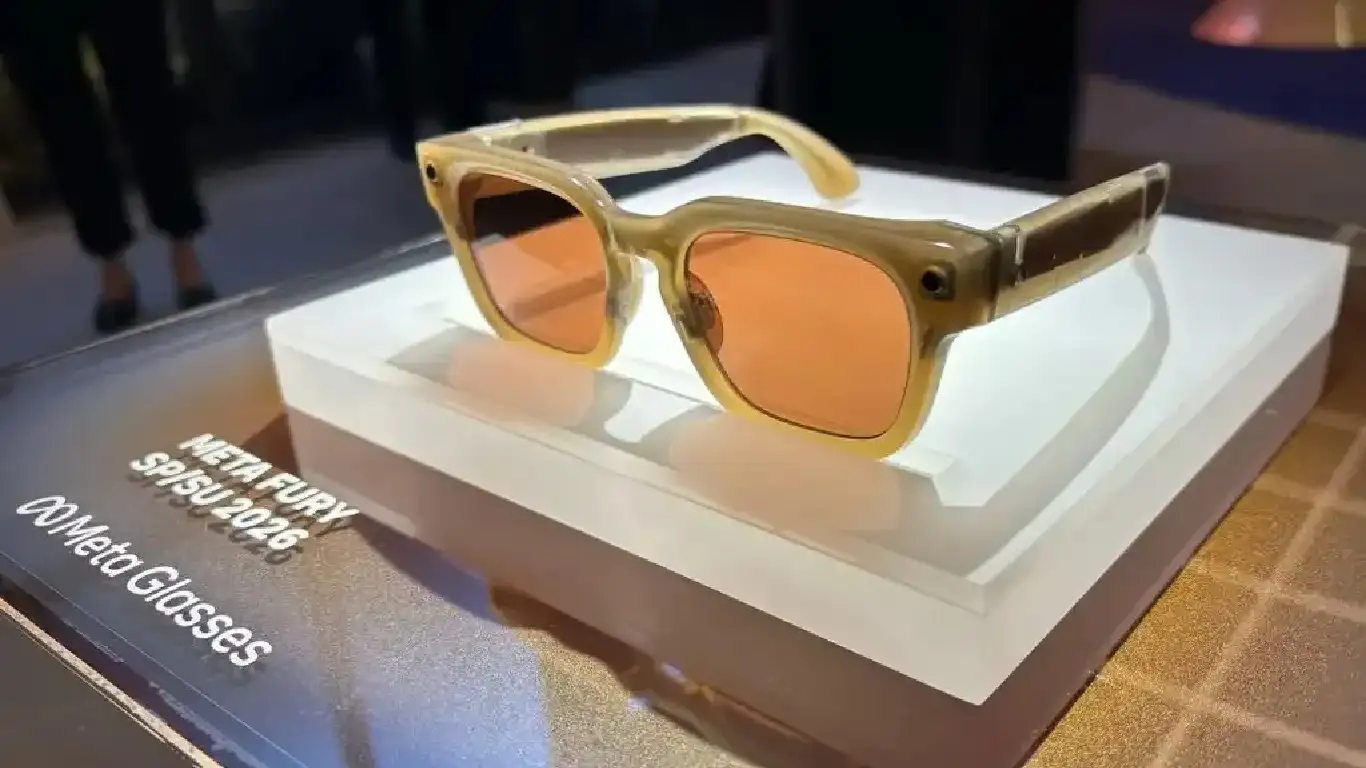
Meta has introduced a new line of AI-powered smart glasses, intensifying competition in the smart eyewear market. The company announced the launch on Tuesday, revealing that the new Meta Glasses will start at $299 (approximately Rs 28,100). This price point makes them at least $80 less expensive than the entry-level second-generation Meta Ray-Ban glasses and far more affordable than the Ray-Ban Display glasses, which launched last year for $799 (about Rs 75,100).
Key Highlights
- Meta launches new AI-powered smart glasses starting at $299.
- Meta Glasses feature built-in camera, personal speakers, and voice-activated Meta AI.
- Meta and EssilorLuxottica hold over 80 percent of the smart glasses market.
- Competitors Google and Snap have also announced new AI eyewear.
- Meta Glasses developed with Luxottica but without Ray-Ban or Oakley branding.
Meta Glasses Features and Partnerships
The latest Meta Glasses are developed in collaboration with Luxottica but do not carry any of the eyewear giant’s established brands, such as Ray-Ban or Oakley. Instead, Meta is introducing new frame styles and colors, including a rectangular design and a slim oval collection created with media personality Kylie Jenner. These glasses are the first in Meta’s lineup to launch with Meta AI powered by Muse Spark, a model developed by the company’s Superintelligence Labs.
Unlike some competitors, the new Meta Glasses do not include a display. However, they feature a built-in camera and personal speakers. Users can interact with Meta AI using voice commands to translate languages, identify objects, or capture photos and videos of their environment. This integration of artificial intelligence aims to enhance daily tasks and provide hands-free access to information.
Market Landscape and Competitive Moves
The smart glasses market remains relatively small but is growing rapidly. Meta and EssilorLuxottica currently hold a dominant position, with an estimated market share exceeding 80 percent. Since launching their first smart glasses in 2021, these companies have sold millions of units worldwide.
Meta has invested billions of dollars in developing AI-powered devices, focusing on what it calls "personal intelligence." The company believes that bringing artificial intelligence directly to consumers through gadgets like smart glasses will shape the future of technology. Mark Zuckerberg, Meta’s CEO, has seen greater success with smart glasses compared to virtual reality headsets, which were central to Facebook’s rebranding as Meta in 2021. While virtual reality remains a niche market, mainly attracting gamers, Zuckerberg is now prioritizing the development of a hardware platform tailored for the AI era.
Other major technology companies are also advancing in this space. Last month, Google announced it is working on new AI-powered eyewear with Warby Parker, using its Gemini AI model. Snap recently introduced Specs, a pair of smart glasses priced at $2,195 (around Rs 2.06 lakh). These developments indicate that leading tech firms are committed to making AI-powered glasses a mainstream computing device.
Outlook for AI Smart Glasses
With Google, Snap, and Meta all investing heavily in smart eyewear, the competition is intensifying. The push to develop affordable, AI-integrated glasses signals a broader industry shift toward wearable technology. As companies continue to innovate, consumers can expect more options and advanced features in the coming years.
Ad
Ad
Confused? Choose Your Phone
What Matters Most


Get TheWeekly Brief
One email each morning: the launches,
the price changes and the reviews
worth reading.

Ad
Ad
 |
|
807, 808, 8th Floor,
IRIS Tech Tower Sohna Road Sector 48,
Gurugram, Haryana - 122018