



Ad
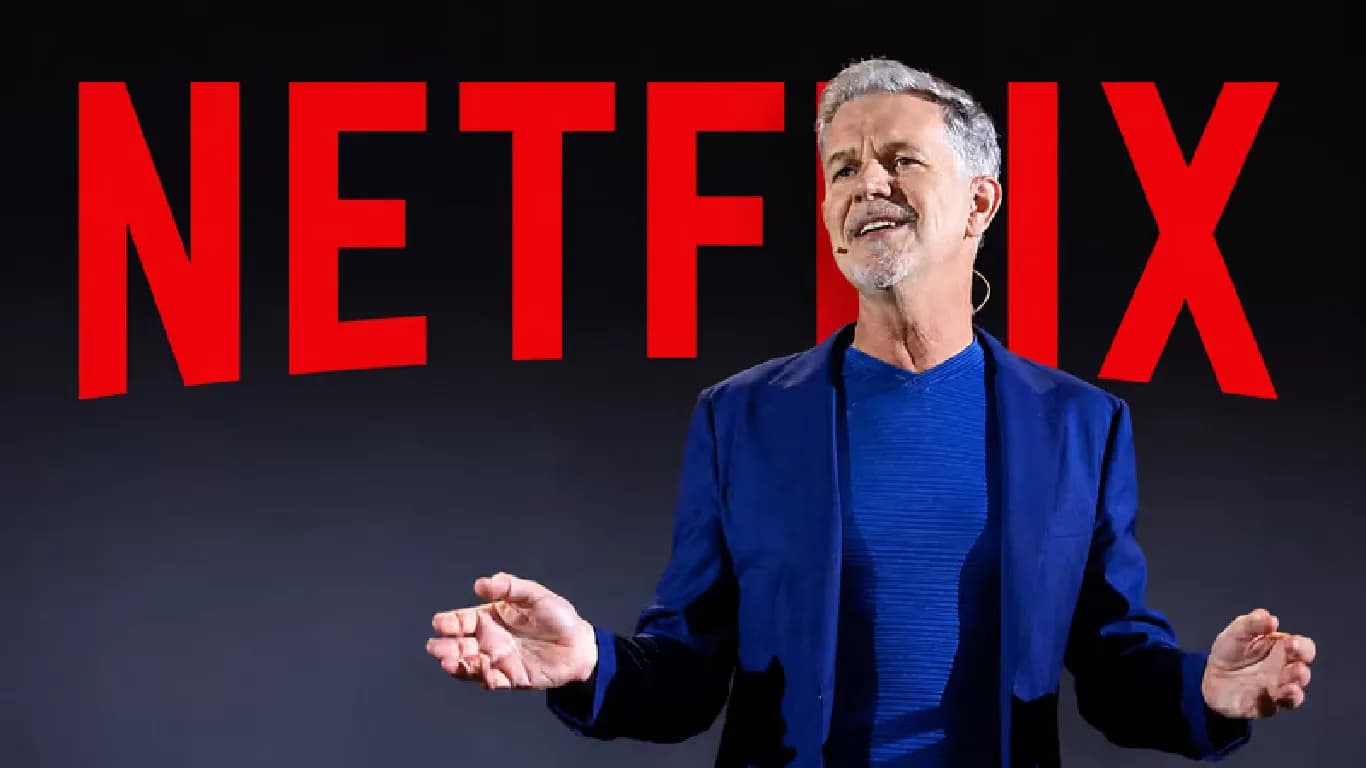
Netflix Co-Founder Reed Hastings Critiques 'Family' Workplace Culture Amid Layoff Trends



Follow Us:


5,833 views
Netflix co-founder Reed Hastings has criticised the use of the term “family” to describe workplace culture. He argues that this language creates unrealistic expectations, especially when companies must conduct layoffs. Hastings shared his perspective during an interview with Semafor’s The CEO Signal podcast, reflecting on his experience during the dot-com crash in 2001. At that time, Netflix was still a DVD rental company and had to cut about one-third of its workforce. This event changed how he viewed the relationship between companies and their employees.
Key Highlights
- Reed Hastings says calling employees 'family' sets unrealistic expectations during layoffs.
- Netflix uses a 'sports team' model with the 'keeper test' for employee retention decisions.
- Other tech leaders, including Airbnb and Shopify CEOs, question 'family' workplace language.
- Tech industry faces layoffs and rising costs amid heavy AI investments and economic pressures.
Hastings Advocates Sports Team Model
Hastings believes companies should operate more like championship sports teams rather than families. In a sports team, high performance is expected, and the roster can change to meet new challenges or skill requirements. Netflix has incorporated this philosophy into its management culture through the “keeper test.” Managers are encouraged to ask themselves if they would fight to keep an employee who was considering leaving. If the answer is no, the company may decide to let that employee go.
Hastings emphasised that this approach is not solely about reducing staff or cutting costs. Instead, the main goal is to ensure that employees are in roles where they can help the company compete effectively. Netflix has also provided significant employee benefits, such as unlimited paid time off and parental leave, aiming to balance high performance expectations with flexibility and support for staff.
Industry Debate on 'Family' Language
The debate over describing companies as families has surfaced at other technology firms as well. Airbnb CEO Brian Chesky acknowledged during the pandemic that calling employees family could lead to confusion, especially when layoffs become necessary. Shopify CEO Tobi Lutke has also argued that “family thinking” can make it harder for managers to address poor performance.
Hastings, who spent 29 years at Netflix, also discussed his current relationship with the company’s co-CEOs, Ted Sarandos and Greg Peters. Since leaving Netflix’s board in June, Hastings said he has largely stopped giving them business advice. He noted that Sarandos and Peters already understand how he would approach major decisions and can consider his perspective independently.
Layoffs and Economic Pressures in Tech
Hastings’ comments come as the technology sector faces ongoing layoffs and rising costs, partly due to heavy investments in artificial intelligence. Zoho founder Sridhar Vembu has made similar points, stating that companies are increasingly blaming AI for job losses, while cost pressures and broader economic challenges also play a role. Vembu has warned that the current boom in AI investment may not last and that companies should prepare for tougher economic conditions.
Recent developments highlight these pressures. Sridhar Vembu noted that memory prices have climbed 500% in 12 months, making business operations more difficult. In another example of the sector’s rapid changes, a software developer purchased a mansion worth Rs 670 crore after six years in AI. Meanwhile, China has ordered state agencies to uninstall Windows as it seeks to reduce dependence on US technology.
Latest News



Reviews & Guides
View All


Samsung Galaxy Buds 4 Pro Review: क्या ₹22,999 में मिलते हैं सबसे बेहतरीन प्रीमियम वायरलेस ईयरबड्स?

कंटेंट क्रिएटर के लिए सबसे दमदार बैटरी लाइफ वाले Windows लैपटॉप, 18 घंटे की मिलेगी बैटरी लाइफ

Samsung Galaxy S26 Ultra क्यों है साल का सबसे बेहतरीन स्मार्टफोन? जानें 5 बड़े कारण

MacBook Neo Review: सस्ता नहीं, Apple का मास्टरस्ट्रोक है ये Laptop!

Samsung Galaxy S26 Ultra Review: AI से लेकर प्राइवेसी डिस्प्ले है सबसे खास, जानें कैसी है परफॉरमेंस

Vivo V70 Elite Review 2026: Price in India, Specs, Features

Raksha Bandhan Special: 6 vivo Smartphones for Every Kind of Sibling

Acer Launches New Nitro 5 Series in india starting price of 167,990

Flipkart Freedom Sale 2026 Starts August 8 With Big Discounts on Smart TVs

Samsung has unveiled its first credit card, Earn 5% back

5 Anti-Scam Tools on WhatsApp that protect you from Digital Fraud

How Samsung’s Galaxy S26 Series is Democratizing Mobile Filmmaking