



Ad
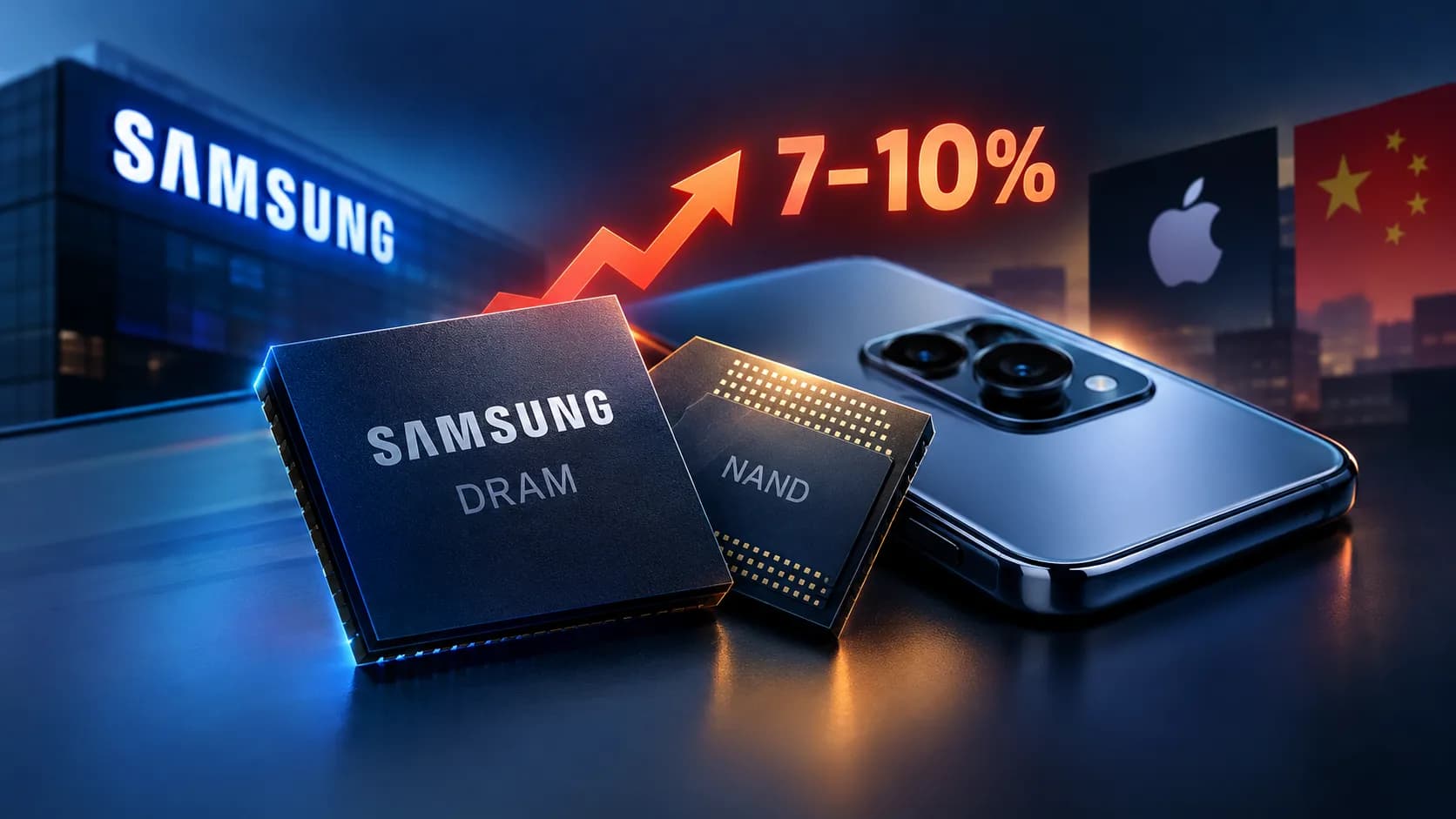
Samsung Hikes Smartphone Memory Prices 10% — Apple Next in Line



Follow Us:


5,323 views

Samsung Electronics' Device Solutions (DS) division plans to raise prices for DRAM and NAND memory used in smartphones by 7% to 10%. The company has already started negotiations with Chinese smartphone manufacturers. Samsung also intends to approach Apple for price discussions in the fourth quarter of the year, between October and December. Even Samsung’s own smartphone division, which operates separately from the DS division, will be affected by these price increases.
Key Highlights
- Samsung plans to raise smartphone DRAM and NAND prices by 7-10%
- Talks with Chinese OEMs are already underway; Apple negotiations begin in Q4 2026
- High-margin memory production (HBM, server DRAM) is being prioritized over smartphone-grade LPDDR, tightening supply and pushing up costs
- Elevated prices are expected to persist through at least H1 2027
Impact on Smartphone Manufacturers
Apple is a significant buyer in the smartphone memory market. Analysts estimate that Apple purchases twice as much NAND memory for its smartphones as Samsung and three times as much as Xiaomi. This large purchasing volume gives Apple considerable negotiating power. However, Samsung is expected to push for higher prices with all clients, including Apple, despite the potential for tough negotiations.
Chinese smartphone makers are the first to face these new price discussions. Samsung is already in talks with them to implement the proposed increases. The company’s strategy reflects a broader trend in the memory market, where suppliers are prioritizing high-margin products.
Market Trends and Memory Production
Samsung, along with competitors SK Hynix and Micron, is making substantial profits from high-margin memory products such as High Bandwidth Memory (HBM) and server DRAM. As a result, memory manufacturers are focusing production on these high-performance types rather than on LPDDR memory, which is commonly used in smartphones. This shift in production priorities has contributed to rising prices for smartphone memory components.
Since last year, the prices of DRAM and NAND memory have increased significantly. Industry analysts expect these prices to continue rising, though at a slower rate than before. The cost of memory components for smartphones, such as an 8GB RAM and 256GB storage combination or a 12GB RAM and 512GB storage configuration, has become a key concern for device makers. These figures represent only the cost of RAM and storage, not the total cost of the device.
Price Outlook Through 2027
Industry forecasts suggest elevated DRAM and NAND prices will persist through at least the first half of 2027. This extended period of high memory costs is likely to pressure smartphone manufacturing budgets and could eventually be passed on to consumers through higher retail prices.
Latest News



Reviews & Guides
View All


Samsung Galaxy Buds 4 Pro Review: क्या ₹22,999 में मिलते हैं सबसे बेहतरीन प्रीमियम वायरलेस ईयरबड्स?

कंटेंट क्रिएटर के लिए सबसे दमदार बैटरी लाइफ वाले Windows लैपटॉप, 18 घंटे की मिलेगी बैटरी लाइफ

Samsung Galaxy S26 Ultra क्यों है साल का सबसे बेहतरीन स्मार्टफोन? जानें 5 बड़े कारण

MacBook Neo Review: सस्ता नहीं, Apple का मास्टरस्ट्रोक है ये Laptop!

Samsung Galaxy S26 Ultra Review: AI से लेकर प्राइवेसी डिस्प्ले है सबसे खास, जानें कैसी है परफॉरमेंस

Vivo V70 Elite Review 2026: Price in India, Specs, Features

OnePlus Campus Dominate Season 3 Concludes in Delhi NCR

Raksha Bandhan Special: 6 vivo Smartphones for Every Kind of Sibling

Acer Launches New Nitro 5 Series in india starting price of 167,990

Flipkart Freedom Sale 2026 Starts August 8 With Big Discounts on Smart TVs

Samsung has unveiled its first credit card, Earn 5% back

5 Anti-Scam Tools on WhatsApp that protect you from Digital Fraud





 |
|
807, 808, 8th Floor,
IRIS Tech Tower Sohna Road Sector 48,
Gurugram, Haryana - 122018