



Ad
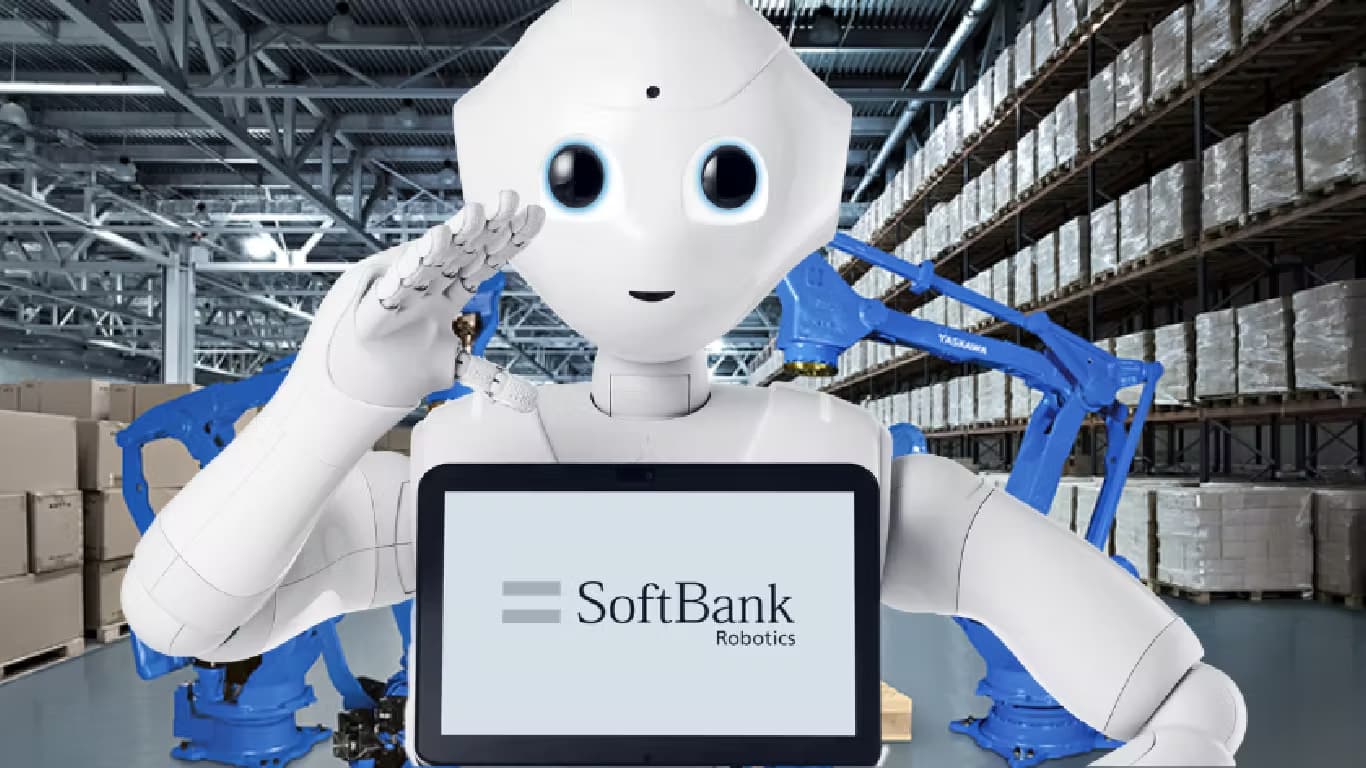
SoftBank Leads Japan’s Push for Advanced Physical AI to Control Robots and Machines



Follow Us:


620 views
SoftBank has launched a major initiative to develop an advanced AI system capable of controlling robots and machines. This move marks a shift from AI chatbots to AI systems that can act in real-world environments. The project brings together major Japanese corporations, including NEC, Honda Motor, Sony Group, and MUFG Bank. The Japanese government may also provide support, making this a large public-private collaboration.
Key Highlights
- SoftBank leads a new AI project to control robots and machines in real-world environments
- Major Japanese companies including NEC, Honda Motor, and Sony Group are involved in the initiative
- The AI model will process images, video, audio, and text for accurate machine control
- A dedicated data centre in Osaka will keep sensitive industrial data within Japan
- The project aims for smoother human-machine collaboration in manufacturing by fiscal 2030
Physical AI to Control Machines
The core of SoftBank’s initiative is the development of "physical AI." Unlike traditional AI, which focuses on text, images, or conversations, this system will directly control robots and machines. The goal is to build a foundation model similar to those powering tools like ChatGPT, but designed for real-world applications.
SoftBank aims to create an AI model with around 1 trillion parameters by the end of this decade. This would make it one of the most advanced AI systems in Japan. The model will process multiple data types, including images, video, audio, and text. This multi-modal approach will help the AI make accurate and context-aware decisions when operating machines.
Industry Collaboration and Ecosystem
Preferred Networks, a well-known AI developer, is partnering with SoftBank on this project. Together, they plan to enable the AI system to work alongside humans in manufacturing environments by fiscal 2030. The aim is to improve coordination between people and machines.
The companies involved are considering forming a consortium to promote adoption across industries. This would involve feeding the AI with industry-specific data from sectors such as finance, automotive, and materials. The goal is to tailor the AI model for practical, real-world use cases.
Data Security and Domestic Infrastructure
Currently, global AI development is led by the US and China, with firms like OpenAI, Anthropic, and Alibaba Group building powerful models. Many Japanese companies rely on these foreign platforms. However, as AI begins to handle sensitive industrial data, concerns about data security and leakage have increased.
SoftBank’s strategy addresses these concerns by planning a dedicated data centre in Japan. The company will convert a former LCD panel factory in Sakai, Osaka, acquired from Sharp, into a high-performance computing hub. This facility will use advanced GPUs to process data domestically, reducing the need to send sensitive information overseas.
This local infrastructure will be especially important for industries dealing with confidential operational data, such as machine tools and manufacturing systems. By keeping data within Japan, the project aims to ensure both high performance and strong security for AI applications.
Latest News
Reviews & Guides
View All


Samsung Galaxy Buds 4 Pro Review: क्या ₹22,999 में मिलते हैं सबसे बेहतरीन प्रीमियम वायरलेस ईयरबड्स?

कंटेंट क्रिएटर के लिए सबसे दमदार बैटरी लाइफ वाले Windows लैपटॉप, 18 घंटे की मिलेगी बैटरी लाइफ

Samsung Galaxy S26 Ultra क्यों है साल का सबसे बेहतरीन स्मार्टफोन? जानें 5 बड़े कारण

MacBook Neo Review: सस्ता नहीं, Apple का मास्टरस्ट्रोक है ये Laptop!

Samsung Galaxy S26 Ultra Review: AI से लेकर प्राइवेसी डिस्प्ले है सबसे खास, जानें कैसी है परफॉरमेंस
Vivo V70 Elite Review 2026: Price in India, Specs, Features

Best 4K TVs Under ₹40,000 in India (2026)

Lava Virat Curve 5G Price in India, Launch Date & Specs 2026

Samsung Galaxy S26 FE Price in India ₹79,999, Specs & Offers

Samsung Galaxy S26 FE vs iPhone 17: Price & Specs

Best Haier TV in India 2026: Top Models, Prices & Specs

Best Haier LED TV Under Rs 30,000 in India






 |
|
807, 808, 8th Floor,
IRIS Tech Tower Sohna Road Sector 48,
Gurugram, Haryana - 122018