



Ad
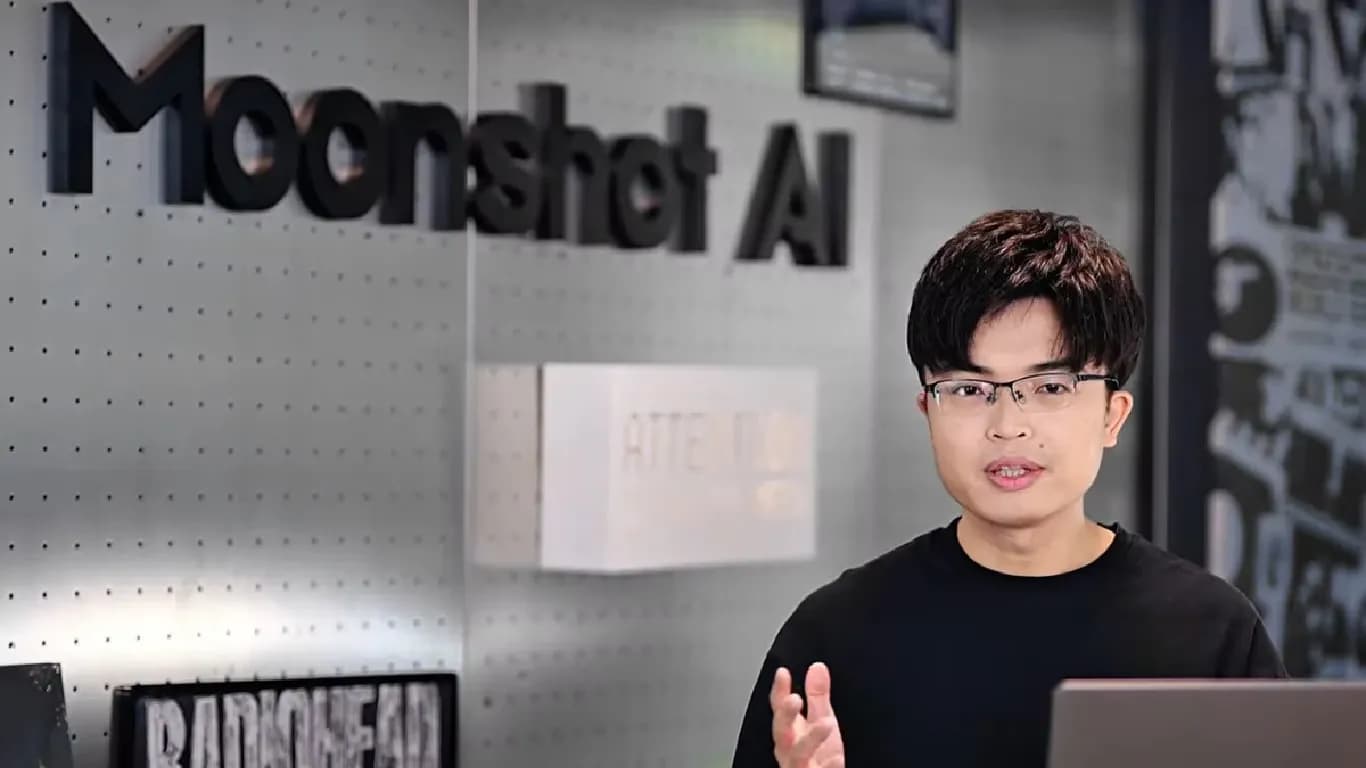
US Accuses Moonshot AI of IP Theft Over Kimi K3 Model Amid Industry Pushback



Follow Us:


7,105 views
The United States has accused Chinese AI startup Moonshot AI of stealing intellectual property. Officials claim Moonshot AI built its latest model, Kimi K3, using technology derived from Anthropic's AI models. This accusation has renewed calls in Washington for stricter measures against Chinese AI companies.
Key Highlights
- US accuses Moonshot AI of using Anthropic's Fable model to develop Kimi K3.
- Officials allege Moonshot AI used Nvidia GB300 servers for large-scale AI model distillation.
- Nvidia CEO Jensen Huang and Elon Musk oppose broad restrictions on Chinese open-weight AI models.
- Nearly 200 Silicon Valley companies urge targeted safeguards instead of a blanket ban.
US Allegations Against Moonshot AI
Michael Kratsios, Director of the White House Office of Science and Technology Policy, stated that Moonshot AI used Anthropic's Fable AI model to develop Kimi K3. He said the administration has evidence that Moonshot AI created a sophisticated internal platform for large-scale distillation of US AI models. This platform allegedly allowed the company to switch methods and avoid detection.
Kratsios also claimed that Moonshot AI acquired Nvidia GB300-equipped servers and accessed additional GB300 systems in Thailand for model training. While acknowledging that AI distillation is a common practice for creating efficient models, he argued that Moonshot AI engaged in "large-scale, covert industrial distillation" aimed at stealing proprietary US technology.
US Treasury Secretary Scott Bessent confirmed that the administration is investigating whether Chinese AI firms improperly distilled American models. Companies found guilty of intellectual property theft could face sanctions. However, the US is not planning a blanket ban on Chinese AI models or companies. Instead, targeted restrictions may be imposed to reduce American reliance on Chinese AI platforms.
Industry Response and Open-Weight AI Debate
Kimi K3, Moonshot AI's latest open-weight large language model, stands at the center of the controversy. Open-weight models allow developers to download, customize, and run them on their own infrastructure. US officials are concerned that Kimi K3 may have been built using improperly obtained American technology. They also worry that China's AI sector is quickly narrowing the gap with the US.
Despite these concerns, many US tech leaders oppose broad restrictions. Nvidia CEO Jensen Huang told Axios that American companies should be allowed to use Chinese AI models. He argued that banning these models would be counterproductive. Huang described Chinese open-source AI as "excellent" and said downloading such models does not automatically create security risks. He believes open models improve security because researchers can inspect and strengthen them.
Huang also stated that affordable and accessible AI models like Kimi K3 could increase demand for Nvidia's chips and infrastructure. Tesla CEO Elon Musk supported Huang's view, agreeing that the US should not fear Chinese AI models.
Silicon Valley's Position
Nearly 200 Silicon Valley companies, including Y Combinator and Proton, have urged the administration not to restrict access to Chinese open-weight AI models. In letters organized by the Little Tech Association, these companies said American startups depend on affordable open AI models. They warned that broad restrictions would harm US innovation more than China's. Instead, they called for targeted safeguards against intellectual property theft while maintaining access to widely available AI models.
Latest News


Reviews & Guides
View All


Samsung Galaxy Buds 4 Pro Review: क्या ₹22,999 में मिलते हैं सबसे बेहतरीन प्रीमियम वायरलेस ईयरबड्स?

कंटेंट क्रिएटर के लिए सबसे दमदार बैटरी लाइफ वाले Windows लैपटॉप, 18 घंटे की मिलेगी बैटरी लाइफ

Samsung Galaxy S26 Ultra क्यों है साल का सबसे बेहतरीन स्मार्टफोन? जानें 5 बड़े कारण

MacBook Neo Review: सस्ता नहीं, Apple का मास्टरस्ट्रोक है ये Laptop!

Samsung Galaxy S26 Ultra Review: AI से लेकर प्राइवेसी डिस्प्ले है सबसे खास, जानें कैसी है परफॉरमेंस
Vivo V70 Elite Review 2026: Price in India, Specs, Features

Apple AirPods 5: Price in India, Features and Specifications

Haier Smart TV Review 2026: Is It Worth Buying?

Best 55-Inch TVs Under ₹50,000 in India

Best 5 AI TVs in India – LG, Samsung, Sony & TCL Compared

Best Phone Under ₹10,000 for Elderly and Senior Citizens

Haier 32, 43 & 55 Inch LED TV: Full Specifications & Price Comparison