
Ad
Dell Revives XPS 13 to Compete With Apple MacBook Neo in Student Laptop Market
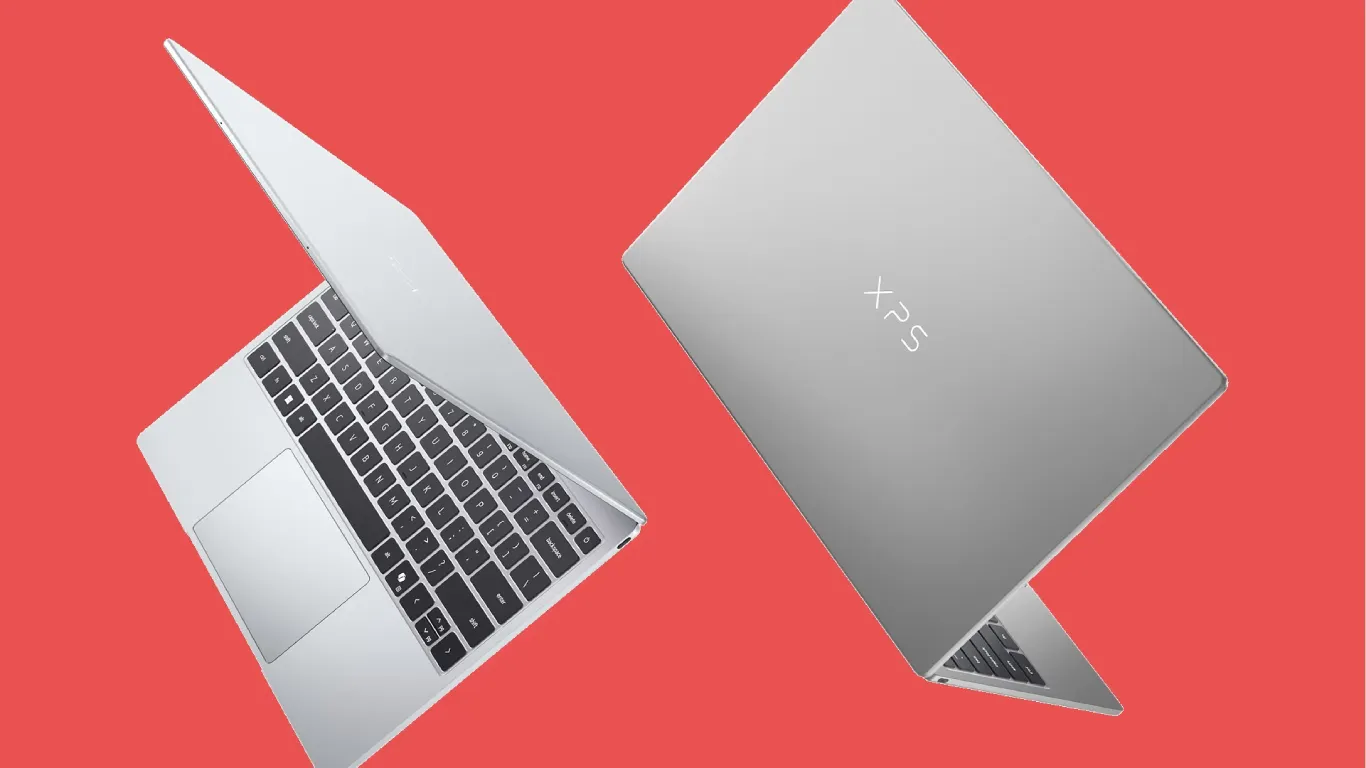
Apple has launched the MacBook Neo at a starting price of Rs 69,900, aiming to attract students and younger buyers. This move brings MacBooks closer to mainstream audiences who often choose Windows laptops or Chromebooks. In response, Dell has revived its XPS brand, reintroducing the XPS 13 as a premium yet affordable Windows alternative to the MacBook Neo.
Key Highlights
- Apple launches MacBook Neo at Rs 69,900 targeting students and younger buyers.
- Dell revives XPS 13 with Intel Core Series 3 processor and 2.5K touchscreen display.
- XPS 13 starts at $700 with a student price of $600 in the US.
- Dell focuses on premium features like 120Hz refresh rate and Windows Hello support.
Apple and Dell Target Student Buyers
The MacBook Neo marks Apple's entry into a segment long dominated by Windows-based laptops. Dell, which briefly retired the XPS lineup in 2025, is now bringing back the XPS 13. The new XPS 13 continues Dell's tradition of ultraportable laptops, measuring just 12.7mm thick and weighing about 997 grams. It features Intel's latest Core Series 3 processor and is designed to appeal to the same student demographic as the MacBook Neo.
The XPS 13 starts at $700 (approximately Rs 67,900), with a lower price of $600 available for students in the US. Dell has not yet announced pricing for the Indian market.
XPS 13 Features and Specifications
Despite its lower price, the XPS 13 offers several premium features. The laptop has a CNC-machined aluminum chassis and a 2.5K IPS display. It comes equipped with quad speakers and supports Wi-Fi connectivity. The base model includes 8GB of RAM and 256GB of storage. Buyers can select from two color options: Storm and Sky.
The XPS 13 distinguishes itself from the MacBook Neo by offering a touchscreen display with a 120Hz refresh rate, compared to the 60Hz display on Apple's device. The display also provides 100 percent DCI-P3 color coverage. Other features include a fully backlit keyboard and a built-in webcam with Windows Hello facial recognition support.
Comparisons and Trade-Offs
There are some compromises with the XPS 13. It offers only two USB-C ports and lacks additional connectivity options. In contrast, the MacBook Neo may have an edge in portability and efficiency due to its fanless design, while the XPS 13 uses a dual-fan cooling system.
Dell is not focused on undercutting Apple on price. According to Dell Chief Operating Officer Jeff Clarke, the company is not trying to "win the pricing war." Instead, Dell aims to provide a better overall package. For example, the XPS 13's display can operate at 120Hz for smoother visuals and drop to 30Hz to save battery life. The MacBook Neo's Liquid Retina display, by comparison, has a maximum refresh rate of 60Hz.
Ad
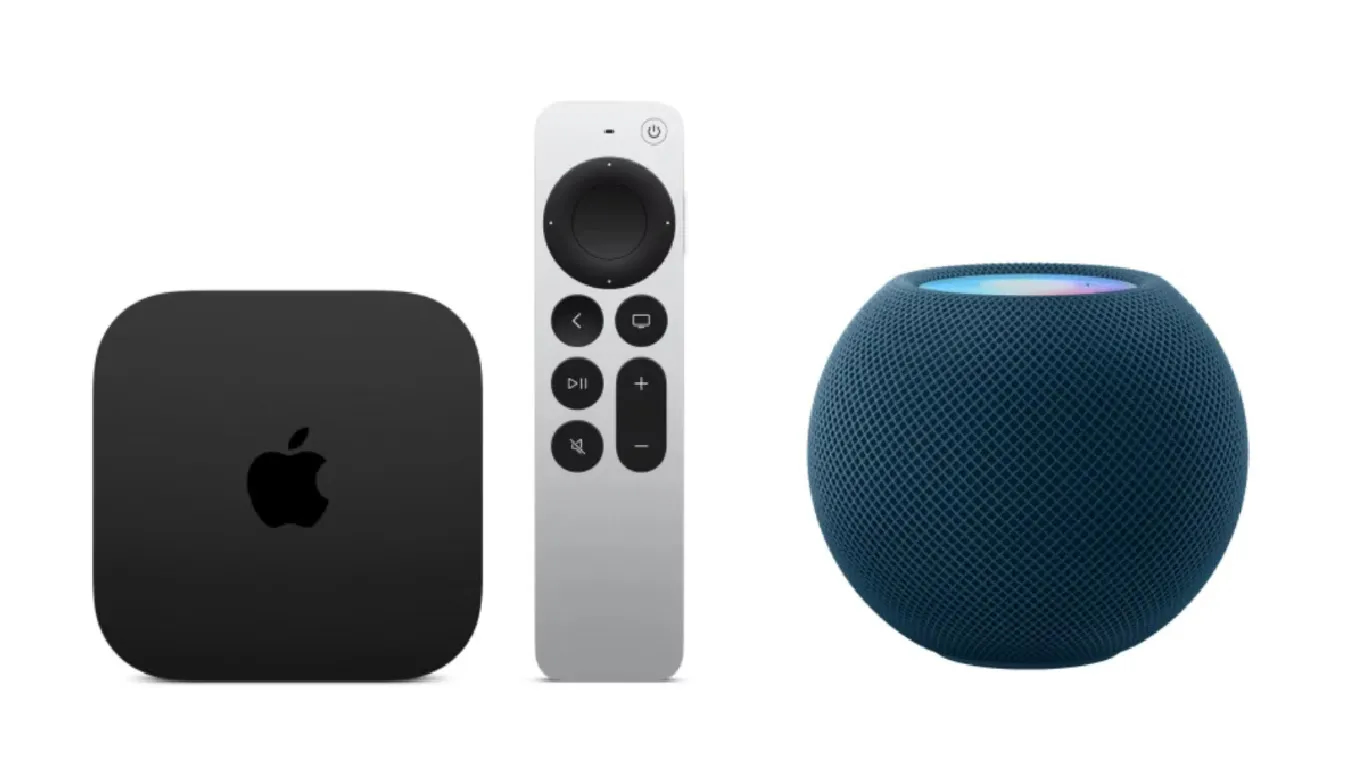
Apple Plans New Apple TV 4K and HomePod Mini Launches with Upgraded Siri in 2026
Apple plans to launch updated Apple TV 4K and HomePod mini models in late 2026, featuring new processors and improved Siri integration. The releases are timed with the debut of Apple Intelligence and major software updates.
01-Jun-2026 01:30 AM

Vivo X Fold6 Expected to Launch in China by Late June 2026
vivo is expected to launch the X Fold6 foldable smartphone in China by late June 2026, featuring a MediaTek Dimensity 9500 chipset, a 200MP main camera, a 50MP periscope lens, and a 7,000mAh battery.
01-Jun-2026 01:30 AM
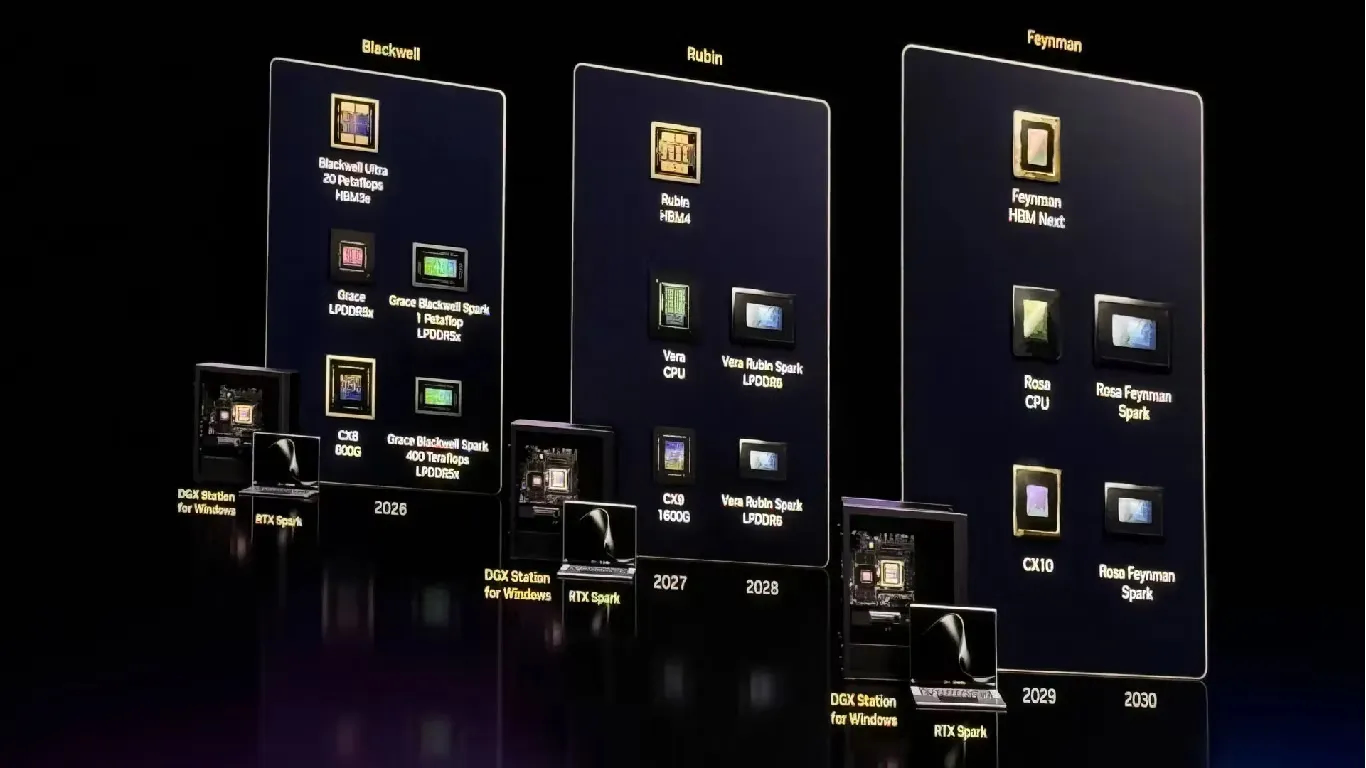
Nvidia Unveils RTX Spark ARM Chip and Vera Rubin AI Infrastructure at Computex 2026
Nvidia announced the ARM-based RTX Spark chip for Windows PCs, supporting up to 128GB RAM and advanced AI features. The company also introduced Vera Rubin AI infrastructure and new enterprise AI tools at Computex 2026.
01-Jun-2026 12:30 AM

OpenAI Expands Robotics Division to Develop Humanoid Robots for Real-World Tasks
OpenAI is expanding its robotics division under Aditya Ramesh, aiming to develop humanoid robots for real-world tasks. The company is hiring engineers as it seeks to support skilled workers and eventually provide personal robots.
31-May-2026 10:30 PM
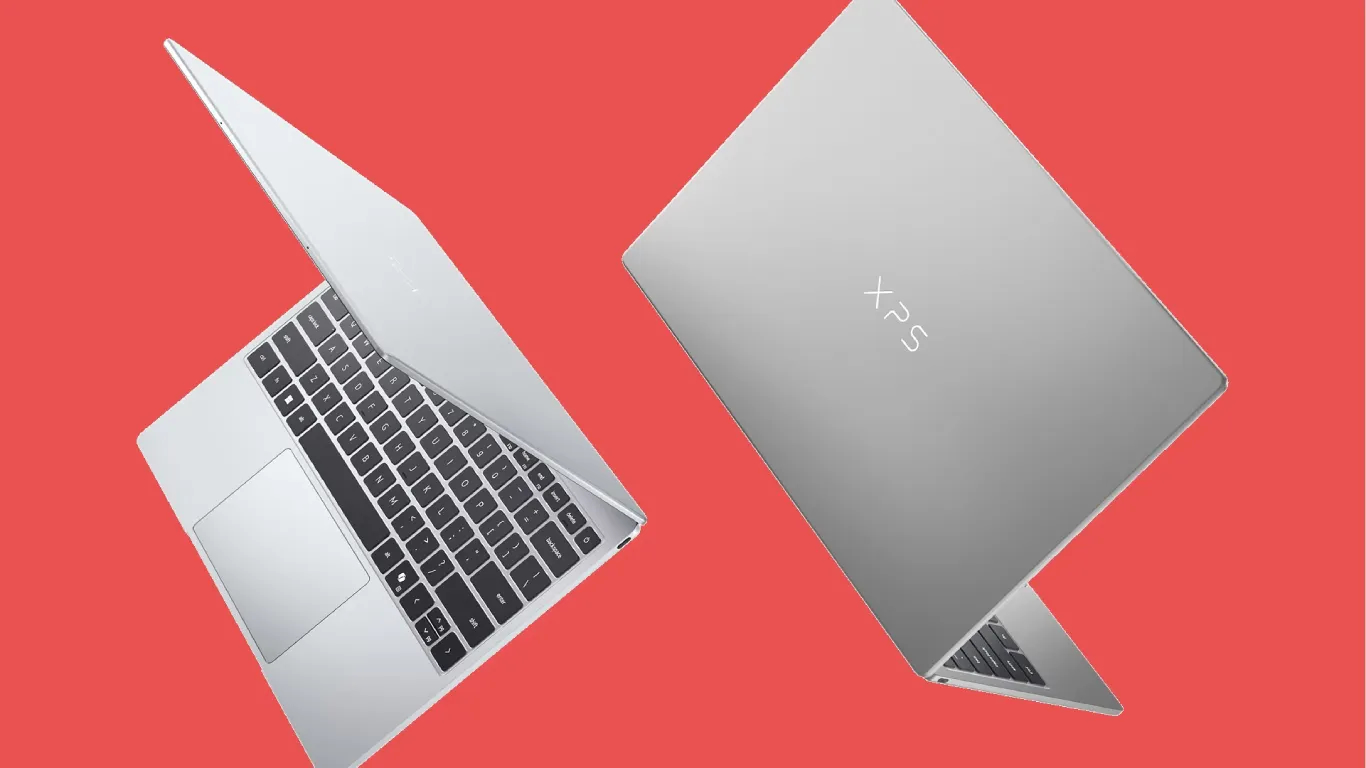
Dell Revives XPS 13 to Compete With Apple MacBook Neo in Student Laptop Market
Apple launches the MacBook Neo at Rs 69,900, targeting students, while Dell revives the XPS 13 with a 2.5K touchscreen, Intel Core Series 3 processor, and premium features. XPS 13 starts at $700, with a student price of $600.
31-May-2026 10:30 PM

Microsoft Moves GitHub Copilot to Usage-Based Pricing, Ending Fixed Subscriptions
Microsoft has moved GitHub Copilot to a usage-based pricing model, replacing fixed subscriptions. Developers now pay according to AI compute consumed, with Pro and Pro+ tiers receiving monthly credits. Costs may become less predictable.
31-May-2026 07:30 PM
Ad
Ad






Latest Televisions In India






Upcoming Televisions In India





Ad
Ad
 |
|
Delente Technologies Pvt. Ltd.
807, 808, 8th Floor,
IRIS Tech Tower Sohna Road Sector 48,
Gurugram, Haryana - 122018