



Ad
Articles
Mirrorless vs DSLR: Easy Guide to Choosing Your First Camera



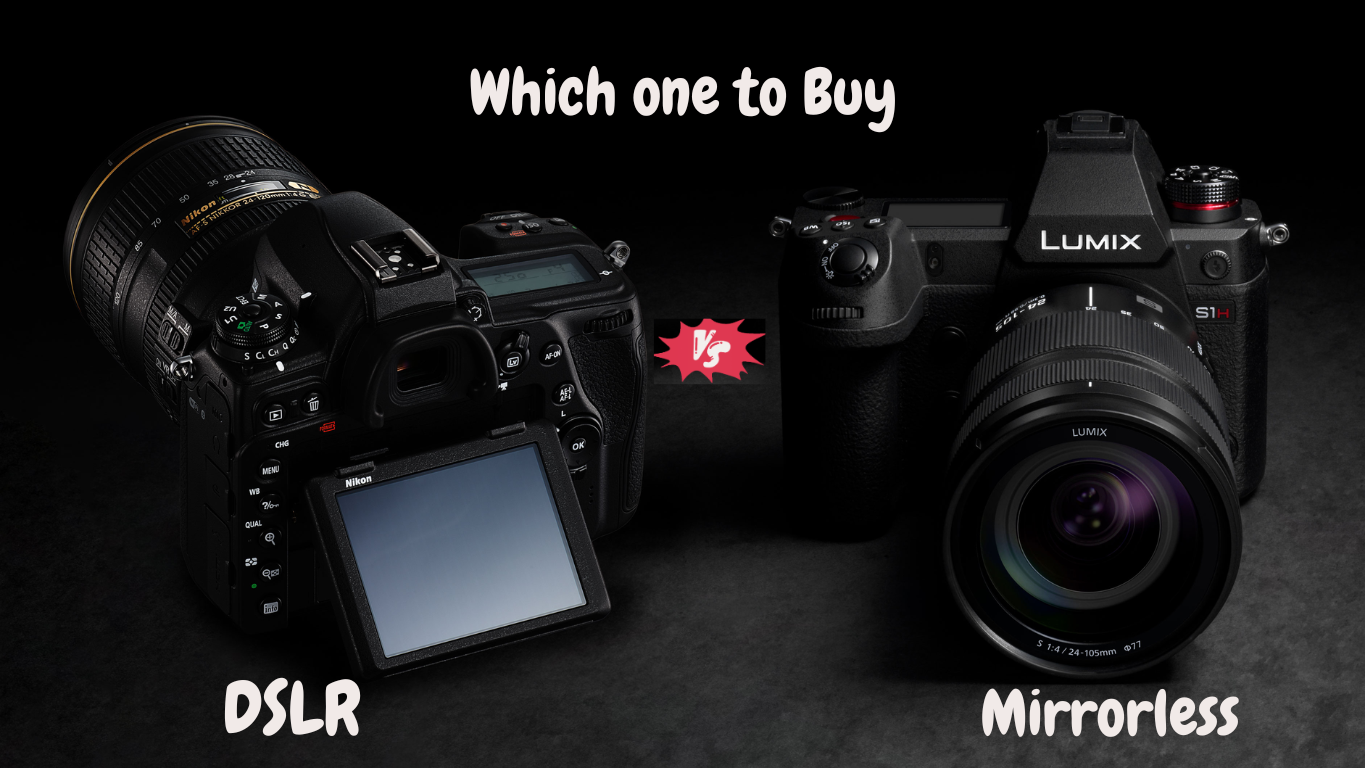
If you're new to photography and live in India, choosing between a mirrorless camera and a DSLR can feel overwhelming. Both types offer great ways to capture stunning photos, but they differ in design, features, and how they fit into your daily life. As a technology journalist, I've seen how these cameras have evolved, especially in 2025 when mirrorless models are becoming the go-to choice for many. But DSLRs still hold strong for beginners due to their affordability and ease of use.
This article breaks down the real differences between mirrorless and DSLR cameras in simple terms. We'll explore what each type is, their pros and cons, and which might suit you best as a starter. Since this is India-centric, I'll focus on local availability, prices in INR, popular brands like Canon, Nikon, and Sony, and tips for buying from sites like Amazon.in or Flipkart. I'll also suggest some beginner-friendly models with current estimates based on market trends. By the end, you'll have a clear buying guide to start your photography journey without confusion.
Photography is more popular than ever in India, with social media influencers, travel vloggers, and hobbyists snapping shots everywhere from bustling Mumbai streets to serene Kerala backwaters. But starting with the right camera matters—it can make learning fun or frustrating. Let's dive in and see why understanding these differences is key for beginners.
What is a DSLR Camera?
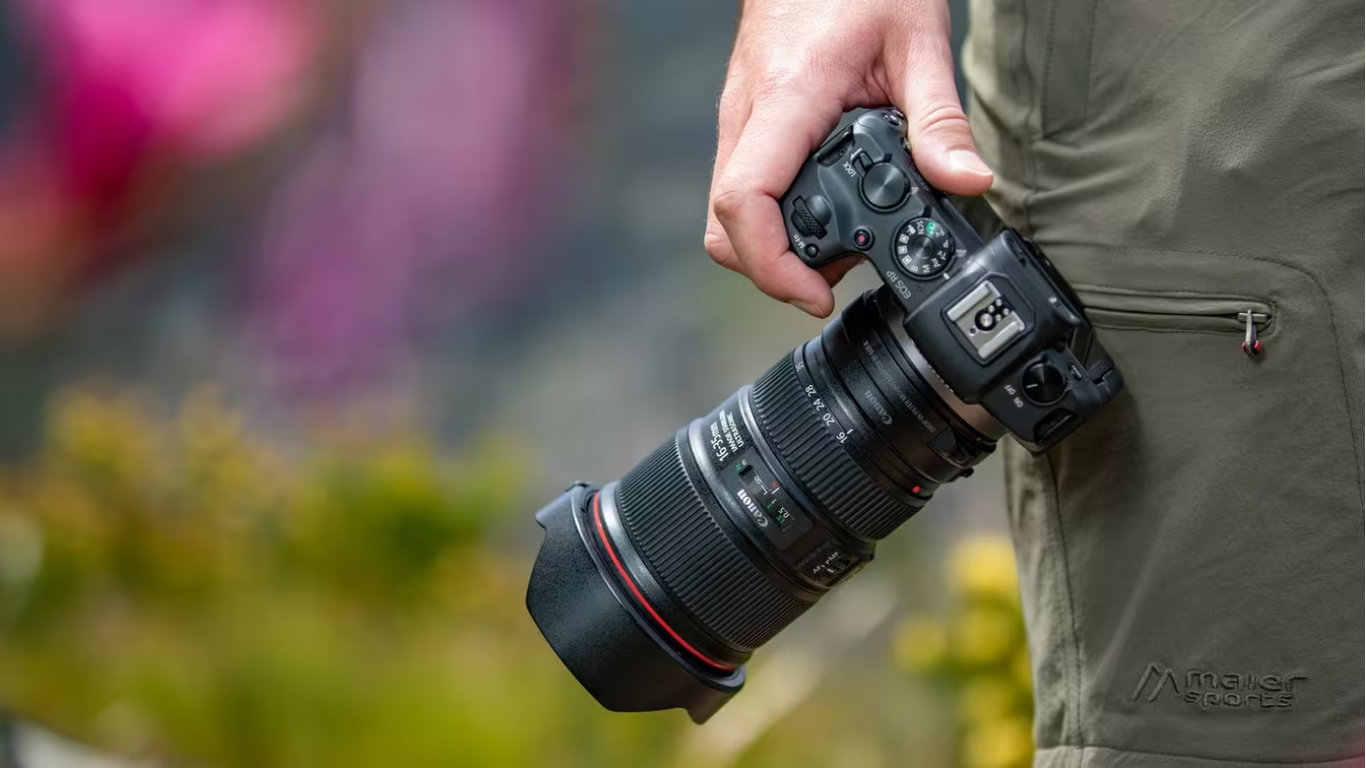
DSLR stands for Digital Single-Lens Reflex. It's a type of camera that uses a mirror inside to reflect light from the lens up to an optical viewfinder. When you press the shutter button, the mirror flips up, letting light hit the sensor to capture the image. This design has been around for decades and is known for its reliability.
For beginners, DSLRs are like a trusty old friend. They often come with guide modes that explain settings as you go, making it easy to learn basics like aperture and shutter speed. In India, DSLRs are widely available at stores like Croma and Reliance Digital or online on Flipkart. Brands like Canon and Nikon dominate, with service centers in major cities like Delhi, Bangalore, and Chennai.

A typical beginner DSLR, like the Canon EOS 1500D, weighs around 475 grams with the lens and offers good battery life—up to 500 shots per charge. This makes it ideal for long outings without constant recharging. DSLRs excel in bright conditions where the optical viewfinder shows a clear, real-time view without any lag.
However, the mirror mechanism adds bulk, so they're not the smallest cameras. If you're hiking in the Himalayas or traveling by train, this extra weight might be noticeable. Still, for entry-level users, the straightforward controls and affordable lenses make DSLRs a solid start.
What is a Mirrorless Camera?
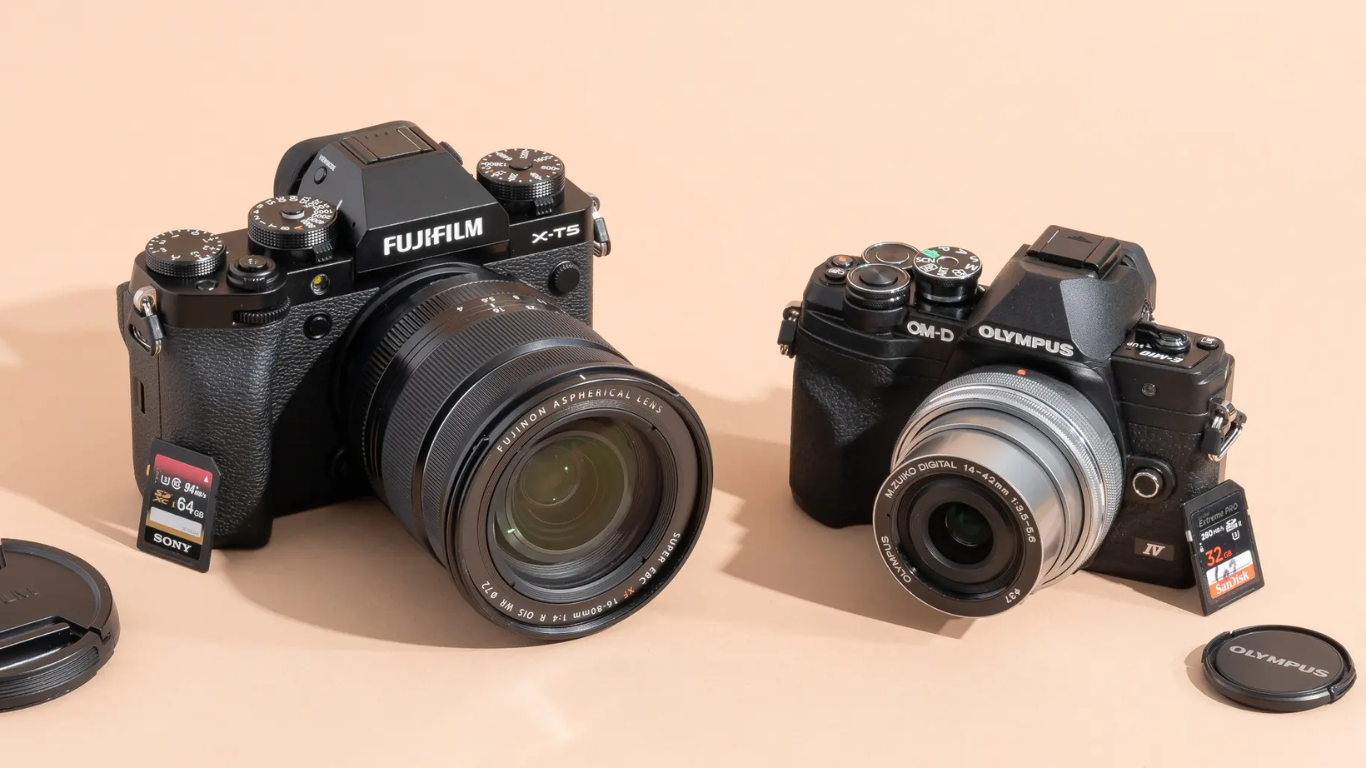
Mirrorless cameras, as the name suggests, ditch the mirror found in DSLRs. Instead, light goes straight to the sensor, and you see the image through an electronic viewfinder (EVF) or the back screen. This makes them smaller and lighter, perfect for on-the-go shooting.
In 2025, mirrorless cameras are the future of photography. They offer advanced features like real-time exposure previews in the viewfinder, which helps beginners see how changes in settings affect the photo before taking it. Sony, Canon, and Fujifilm lead in this space, with models tailored for Indian users who love vlogging or street photography.
For example, a Sony A6400 weighs just 403 grams and fits easily in a backpack. In India, you can find them at authorized dealers or online, with prices starting from ₹50,000. Service is good too—Sony has centers in over 100 cities. Mirrorless cameras shine in video recording, with smooth autofocus that's great for YouTube creators in bustling markets like Delhi's Chandni Chowk.
The downside? Battery life is shorter because the EVF uses power constantly—expect 300-400 shots per charge. But with portable chargers common in India, this isn't a big issue. Overall, mirrorless feels modern and versatile for new photographers exploring creative modes.
Key Differences Between Mirrorless and DSLR
Now, let's get to the heart of it: what really sets these two apart? I'll explain each difference simply, focusing on how it affects beginners in India. These points are based on current tech trends in 2025.
Size and Weight
DSLRs are bulkier due to the mirror box. A typical DSLR body is about 20-30% larger than a similar mirrorless one. For instance, the Nikon D3500 measures 124 x 97 x 70 mm, while the Nikon Z50 (mirrorless) is 126 x 94 x 60 mm—slimmer and easier to carry.
In India, where public transport and travel are common, mirrorless wins for portability. Imagine carrying a heavy DSLR on a crowded Mumbai local train—mirrorless is lighter at around 400-500 grams vs. 600+ for DSLRs. This makes mirrorless better for street photographers or travelers.
Viewfinder: Optical vs Electronic
DSLRs use an optical viewfinder (OVF), which shows the scene through glass and mirrors—no batteries needed. It's bright and lag-free, ideal for fast action like wildlife in Ranthambore National Park.
Mirrorless uses an electronic viewfinder (EVF), a mini screen that previews exposure, white balance, and effects in real time. This helps beginners learn faster by seeing mistakes before clicking.
For low-light shooting in Diwali celebrations, EVF brightens the view, but OVF feels more natural. In 2025, EVFs are high-resolution (over 2 million dots), closing the gap.
Autofocus Performance
Mirrorless cameras have superior autofocus, especially for moving subjects. They use on-sensor phase detection, covering more of the frame—up to 1000 points vs. DSLRs' 50-100.
This means mirrorless tracks eyes or animals better, which is great for Indian weddings or cricket matches. DSLRs are good but slower in live view mode. For beginners, mirrorless eye-AF reduces blurry shots.
Battery Life
DSLRs win here, lasting 500-800 shots per charge because the OVF doesn't drain power. Mirrorless, with constant sensor and EVF use, manages 300-500 shots.
In hot Indian summers, batteries drain faster, so carry spares. DSLRs are better for remote areas like Ladakh treks.
Lens Selection and Compatibility
DSLRs have a huge legacy lens ecosystem—Canon EF lenses are cheap on OLX or Facebook Marketplace in India. Mirrorless uses adapters for old lenses, but native options are growing fast. Sony E-mount has over 100 lenses now.
For beginners, start with kit lenses (18-55mm), costing ₹5,000-10,000 extra.
Video Capabilities
Mirrorless excels in video with 4K at high frame rates and better stabilization. DSLRs are okay but lack advanced tracking. If you're into vlogging India's diverse culture, mirrorless is superior.
Price Point
In 2025, entry DSLRs start at ₹30,000-50,000, while mirrorless begins at ₹40,000-70,000. DSLRs are bargains as manufacturers shift focus.
Pros and Cons: A Quick Comparison
To make it easy, here's a table summarizing the strengths and weaknesses.
| Feature | DSLR Pros | DSLR Cons | Mirrorless Pros | Mirrorless Cons |
|---|---|---|---|---|
| Size/Weight | Sturdy build for handling | Bulkier, heavier | Compact, lightweight | Can feel less substantial |
| Viewfinder | Natural, battery-free OVF | No exposure preview | EVF shows real-time changes | EVF can lag in low light |
| Autofocus | Reliable for stills | Slower in live view | Fast, accurate tracking | - |
| Battery | Longer life (500+ shots) | - | - | Shorter (300-400 shots) |
| Lenses | Vast, cheap used options | Older system | Growing selection, adapters | Native lenses pricier |
| Video | Good basics | Limited AF in video | Excellent 4K, stabilization | - |
| Price (Entry) | Affordable (₹30k+) | - | - | Slightly higher (₹40k+) |
This table helps beginners weigh options based on needs, like portability for travel or battery for events.
Which One is Better for Beginners in India?
For most beginners in 2025, mirrorless is the smarter pick. It's future-proof, with companies like Canon and Nikon phasing out new DSLRs. The learning curve is similar, but mirrorless' EVF teaches faster by showing previews.
However, if the budget is tight (under ₹40,000) and you want long battery life, go DSLR. They're great for learning manual modes without distractions. In India, where power outages happen, DSLRs' efficiency shines.
Consider your style: Wildlife or sports? DSLR's OVF. Vlogging or portraits? Mirrorless' AF. Test both at a store—many in metros offer demos.
India-Specific Considerations
In India, camera shopping is easy with e-commerce giants. Amazon.in and Flipkart offer deals, often with EMI options from Bajaj Finserv or HDFC. Prices fluctuate with festivals like Diwali, so watch for sales—up to 20% off.
Popular brands:
-
Canon: Strong service network (over 200 centers). Beginner models like EOS 1500D at ₹35,000.
-
Nikon: Good for landscapes, service in 150+ cities. D3500 around ₹40,000.
-
Sony: Mirrorless leader, centers in major hubs. A6400 at ₹65,000.
Buy from authorized sellers for 2-year warranty. Avoid grey market for reliability. For repairs, cities like Mumbai have quick turnaround.
Taxes (GST 18%) add to cost, but imports are rare now with local assembly.
Buying Guide for Beginners
Factors to Consider
-
Budget: Start low—₹30,000-50,000 for basics. Include lens, bag, and memory card (extra ₹5,000).
-
Sensor Size: APS-C is fine for beginners; full-frame is pricier.
-
Megapixels: 20-24MP enough; more doesn't mean better.
-
Ergonomics: Hold the camera—does it fit your hands?
-
Features: Look for Wi-Fi for sharing to Instagram, touchscreen for ease.
-
Accessories: Tripod (₹1,000), extra battery (₹2,000).
Shop during sales or check Croma for bundles. Read reviews on Mouthshut or YouTube for India-specific insights.
Budget Segments
-
Under ₹40,000: DSLRs like Canon 1500D.
-
₹40,000-70,000: Mirrorless, like the Sony ZV-E10.
-
Over ₹70,000: Advanced, like the Canon R10.
Example Suggestions
Here are a few recommendations based on 2025 market data.
DSLR Examples
-
Canon EOS 1500D: 24MP, Full HD video. Price: ₹35,000 (kit lens). Great for stills, available on Amazon.in.
-
Nikon D3500: 24MP, lightweight. Price: ₹40,000. Excellent battery, good for travel.
-
Canon EOS Rebel T8i: 24MP, 4K video. Price: ₹70,000. Step up for video enthusiasts.
Mirrorless Examples
-
Sony ZV-E10: 24MP, 4K video, vlog-friendly. Price: ₹50,000. Perfect for beginners in content creation.
-
Canon EOS R100: 24MP, simple menus. Price: ₹45,000. Tailor-made for new users.
-
Nikon Z50: 20MP, weather-sealed. Price: ₹65,000. Versatile for outdoors.
These are available nationwide, with easy returns on e-commerce.
Conclusion
Choosing between mirrorless and DSLR boils down to your needs: mirrorless for compactness and modern features, and DSLR for value and battery life. In India, both are accessible, but mirrorless is gaining ground fast. Start with what excites you—photography is about capturing moments, not gear.
If you're a beginner, try a mirrorless like the Sony ZV-E10 for its ease. Remember, practice makes perfect. Head to a store, snap some tests, and begin your adventure. Happy shooting!
Follow Us:



Ad
Recent News

Google Pixel 11 Pro vs Pixel 10 Pro: Detailed Comparison of Features and Performance
18-Sep-2026 03:30 AM

iPhone 18 Pro Max Sets New Charging Speed Record for Apple Devices
17-Sep-2026 05:30 AM

Meta Luna Smart Glasses Without Camera Expected to Launch in October 2026
17-Sep-2026 02:30 AM

Meta Launches Meta One Subscription Bundling Social Media and AI Features Globally
16-Sep-2026 01:30 PM

Vivo V80 Teased Ahead of Expected October Launch in India
16-Sep-2026 11:30 AM

Zuckerberg Rejects AI Slowdown Calls: “Labs Must Act Independently”
16-Sep-2026 10:30 AM
Ad
Reviews & Guides
View All


Samsung Galaxy Buds 4 Pro Review: क्या ₹22,999 में मिलते हैं सबसे बेहतरीन प्रीमियम वायरलेस ईयरबड्स?

कंटेंट क्रिएटर के लिए सबसे दमदार बैटरी लाइफ वाले Windows लैपटॉप, 18 घंटे की मिलेगी बैटरी लाइफ

Samsung Galaxy S26 Ultra क्यों है साल का सबसे बेहतरीन स्मार्टफोन? जानें 5 बड़े कारण

MacBook Neo Review: सस्ता नहीं, Apple का मास्टरस्ट्रोक है ये Laptop!

Samsung Galaxy S26 Ultra Review: AI से लेकर प्राइवेसी डिस्प्ले है सबसे खास, जानें कैसी है परफॉरमेंस
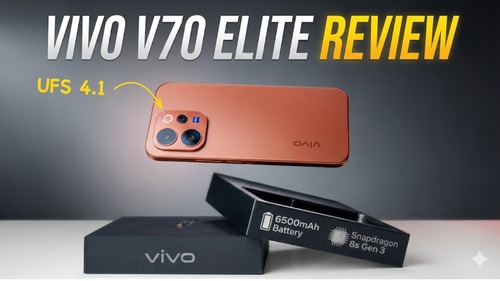
Vivo V70 Elite Review 2026: Price in India, Specs, Features

Best Haier LED TV Under Rs 30,000 in India

OnePlus Campus Dominate Season 3 Concludes in Delhi NCR

Raksha Bandhan Special: 6 vivo Smartphones for Every Kind of Sibling

Acer Launches New Nitro 5 Series in india starting price of 167,990

Flipkart Freedom Sale 2026 Starts August 8 With Big Discounts on Smart TVs

Samsung has unveiled its first credit card, Earn 5% back








Ad
 |
|
807, 808, 8th Floor,
IRIS Tech Tower Sohna Road Sector 48,
Gurugram, Haryana - 122018