



Ad
Articles
Television Buying Guide: Things to Check Before Buying



Buying a television requires evaluating multiple factors including screen size, display technology, resolution, smart features, and connectivity options to ensure the purchase matches viewing habits and room dimensions. The Indian TV market offers overwhelming choices from budget LED panels to premium OLED displays across brands like Samsung, LG, Sony, Xiaomi, and TCL. Understanding key specifications and features helps buyers avoid overspending on unnecessary features or purchasing inadequate models for their requirements.
This comprehensive buying guide covers essential factors to check before purchasing a television in India, providing practical insights for making informed decisions based on budget, room size, content consumption patterns, and future requirements.
Screen Size Selection
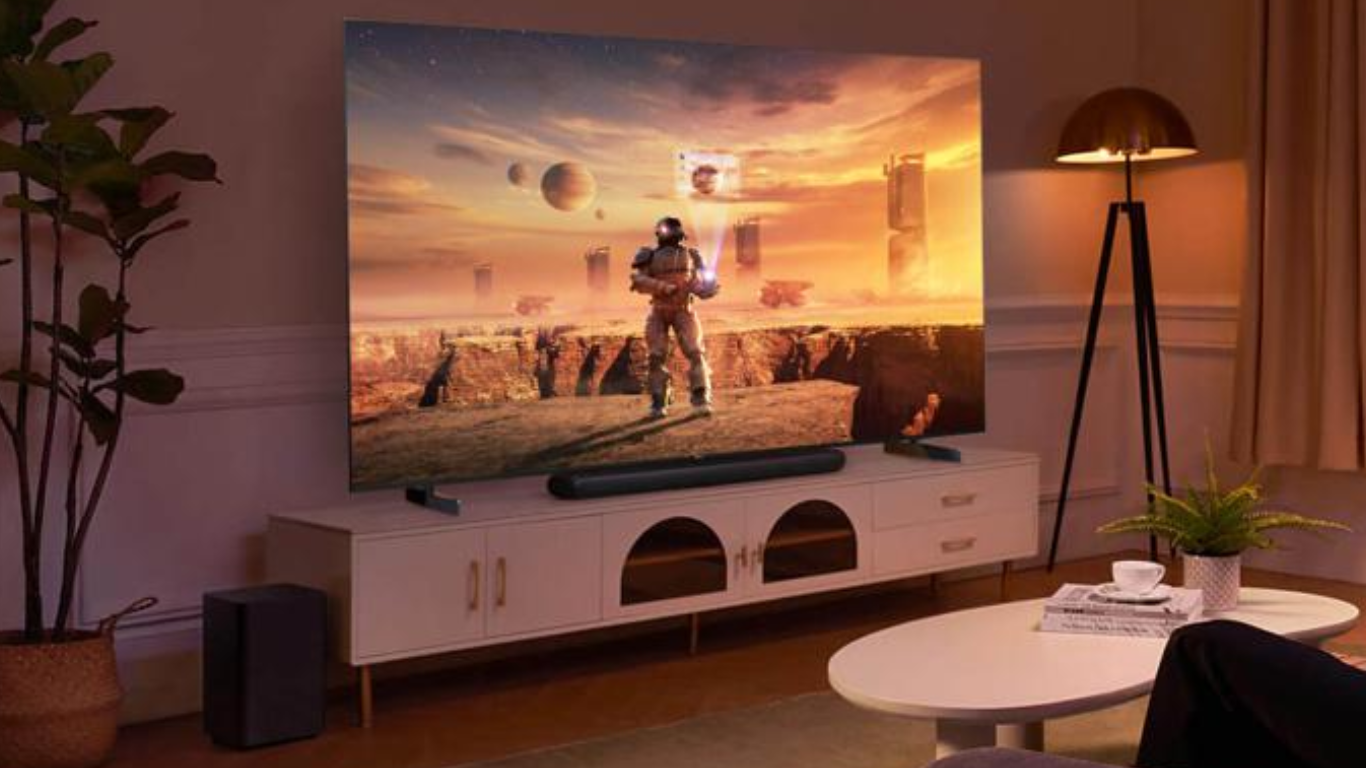
Screen size represents the most visible specification affecting viewing experience and room aesthetics. The appropriate size depends on viewing distance and room dimensions rather than simply choosing the largest affordable option.
Viewing Distance Formula: Multiply screen size in inches by 1.5 to get minimum viewing distance in feet. A 55-inch TV requires 8.25 feet minimum distance, while 43-inch needs 6.5 feet. Sitting too close causes eye strain and visible pixels, while excessive distance diminishes immersive experience.
Room-Based Recommendations:
- Bedroom (10x10 feet): 32-43 inch
- Small living room (12x12 feet): 43-50 inch
- Medium living room (15x15 feet): 50-55 inch
- Large living room (18x18+ feet): 55-65 inch
- Home theater setup: 65-75 inch
Consider furniture placement and wall mounting options when finalizing size. Measure the installation space accounting for bezels and stand dimensions if using table placement.
Display Technology Types
LED/LCD TVs
Standard LED televisions use LCD panels with LED backlighting, representing the most affordable and widely available technology. These displays deliver adequate brightness, decent color accuracy, and reliable performance for general viewing. Power consumption remains moderate with good longevity exceeding 50,000 hours typically.
Advantages: Affordable pricing, bright displays, good availability, lower power consumption, no burn-in risk.
Limitations: Limited contrast ratios, inferior black levels, restricted viewing angles, slower response times.
QLED TVs
Quantum Dot LED technology adds quantum dot layer enhancing color volume and brightness significantly. Samsung pioneered QLED technology offering premium LED experience without OLED pricing. Peak brightness reaches 1000-2000 nits suitable for bright rooms and HDR content.
Advantages: Excellent brightness levels, wide color gamut, no burn-in concerns, good HDR performance.
Limitations: Black levels inferior to OLED, higher pricing than standard LED, limited viewing angles persist.
OLED TVs
Organic LED displays feature self-emitting pixels eliminating backlight requirements. Each pixel illuminates independently enabling perfect blacks through complete pixel shutdown. LG dominates OLED TV market in India with Sony offering premium alternatives.
Advantages: Perfect black levels, infinite contrast ratios, wide viewing angles, fast response times ideal for gaming.
Limitations: Premium pricing, potential burn-in with static content, lower peak brightness than QLED, limited size options under 55-inch.
Mini-LED TVs
Mini-LED backlighting uses thousands of tiny LEDs providing precise local dimming approaching OLED contrast while maintaining LED brightness advantages. TCL and Samsung offer Mini-LED models bridging QLED and OLED performance gaps.
Advantages: Excellent contrast ratios, high brightness, improved black levels, no burn-in risk.
Limitations: Premium pricing, limited model availability, potential blooming around bright objects.
Resolution Standards
Full HD (1920x1080)
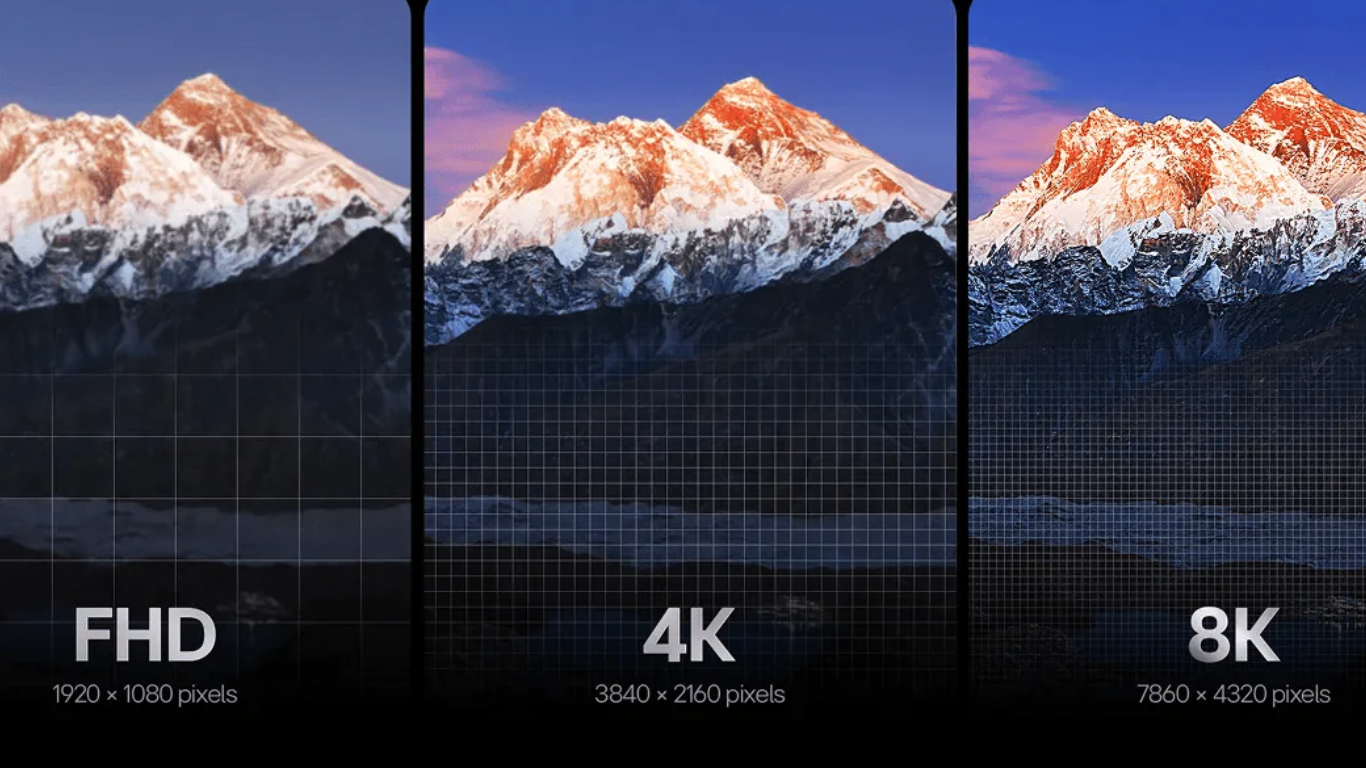
Full HD remains adequate for 32-43 inch screens where pixel density stays sufficient for comfortable viewing. Budget models and smaller sizes predominantly use Full HD panels. Streaming services, DTH, and cable TV primarily broadcast in Full HD making it practical choice.
Best For: Bedrooms, kitchens, budget buyers, screen sizes under 43-inch.
4K Ultra HD (3840x2160)
4K resolution provides four times Full HD pixel count ensuring sharp images on larger screens. Content availability improved significantly with streaming platforms offering extensive 4K libraries. Gaming consoles including PlayStation 5 and Xbox Series X support 4K output.
Best For: 43-inch and larger screens, streaming enthusiasts, future-proofing, gaming.
8K Resolution (7680x4320)
8K TVs offer ultimate resolution though content availability remains extremely limited. Only consider 8K for 75-inch+ screens where upscaling benefits justify premium pricing. Native 8K content remains scarce making it impractical for most buyers currently.
Best For: Home theater enthusiasts, extremely large screens (75-inch+), future content preparation, unlimited budgets.
Smart TV Features and Operating Systems
Android TV / Google TV
Google's TV platforms provide access to extensive Google Play Store app library including all major streaming services. Built-in Chromecast enables seamless casting from smartphones. Google Assistant voice control handles content search and smart home integration.
Brands Using: Sony, TCL, Xiaomi, OnePlus, Hisense.
Tizen OS (Samsung)
Samsung's proprietary platform offers polished interface with curated content recommendations. SmartThings integration connects Samsung ecosystem devices. Regular updates maintain security and add features consistently.
Exclusive To: Samsung televisions only.
webOS (LG)
LG's webOS features intuitive ribbon-style interface with quick app switching. Magic Remote with pointer control simplifies navigation. AI ThinQ provides voice control and smart device connectivity.
Exclusive To: LG televisions only.
Fire OS (Amazon)
Amazon's Fire OS emphasizes Prime Video integration with Alexa voice control. App selection matches Android TV though interface prioritizes Amazon content.
Brands Using: Onida, select budget brands.
Choose platform based on existing ecosystem, preferred apps, and voice assistant preference.
HDR Support Evaluation
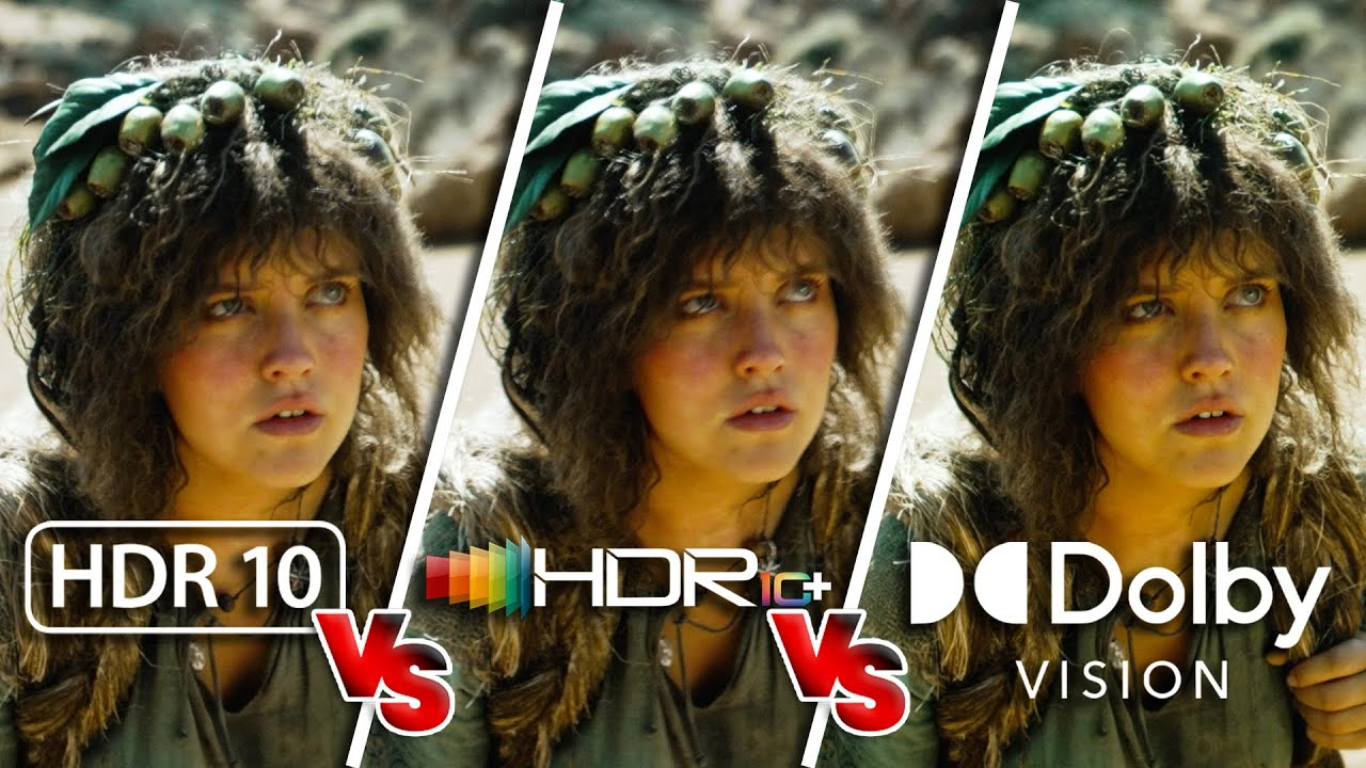
High Dynamic Range expands brightness range and color depth significantly improving picture quality with compatible content.
HDR10: Basic HDR format supported universally. Provides fixed metadata for entire content.
HDR10+: Advanced HDR with dynamic scene-by-scene optimization. Supported by Samsung, Amazon Prime Video.
Dolby Vision: Premium HDR format with superior dynamic metadata. Requires licensing fee increasing TV costs. Supported by LG, Sony, Netflix, Disney+.
HLG: Broadcast-focused HDR standard for live TV and sports content.
Check HDR format compatibility matching your primary content sources. Netflix and Disney+ favor Dolby Vision, while Prime Video uses HDR10+.
Connectivity and Ports
HDMI Ports
Minimum three HDMI ports accommodate set-top box, gaming console, and soundbar simultaneously. HDMI 2.1 support enables 4K 120Hz gaming, Variable Refresh Rate (VRR), and Auto Low Latency Mode (ALLM) crucial for PlayStation 5 and Xbox Series X gaming.
USB Ports
Dual USB ports allow connecting external storage for media playback and powering streaming sticks simultaneously.
Additional Connectivity
Wi-Fi 5 (ac) minimum required for smooth 4K streaming; Wi-Fi 6 preferred for future-proofing. Bluetooth connectivity enables wireless headphones and soundbar connections. Ethernet port ensures stable wired internet for buffer-free streaming.
Audio Specifications
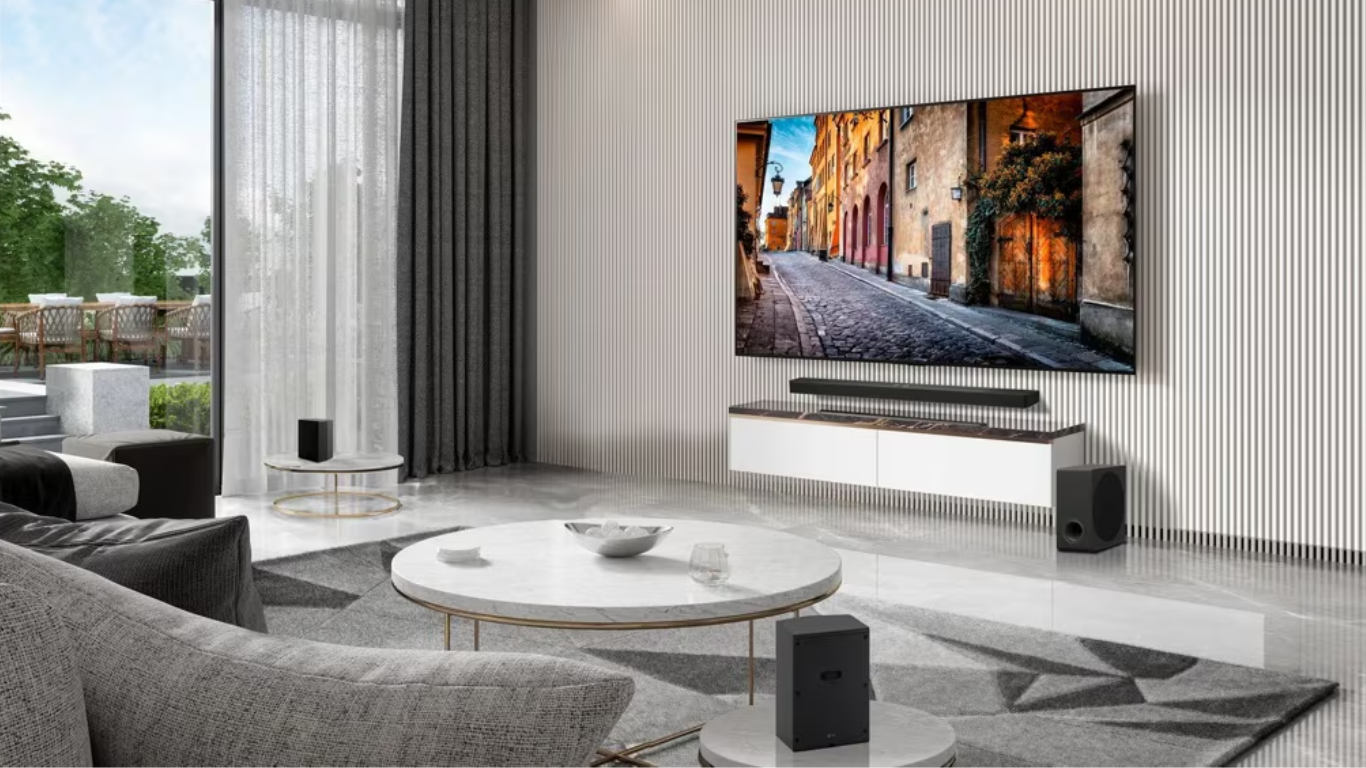
Built-in TV speakers rarely deliver satisfying audio experience. Check these specifications:
Output Wattage: Minimum 20W for small rooms; 30W+ for larger spaces. Higher wattage provides louder volume and better clarity.
Dolby Atmos Support: Premium TVs include Dolby Atmos creating virtual surround sound effect through TV speakers.
Audio Enhancements: Look for DTS, Dolby Audio certifications indicating better audio processing.
Consider budgeting ₹3,000-10,000 for external soundbar significantly improving audio experience regardless of TV's built-in capabilities.
Refresh Rate Importance
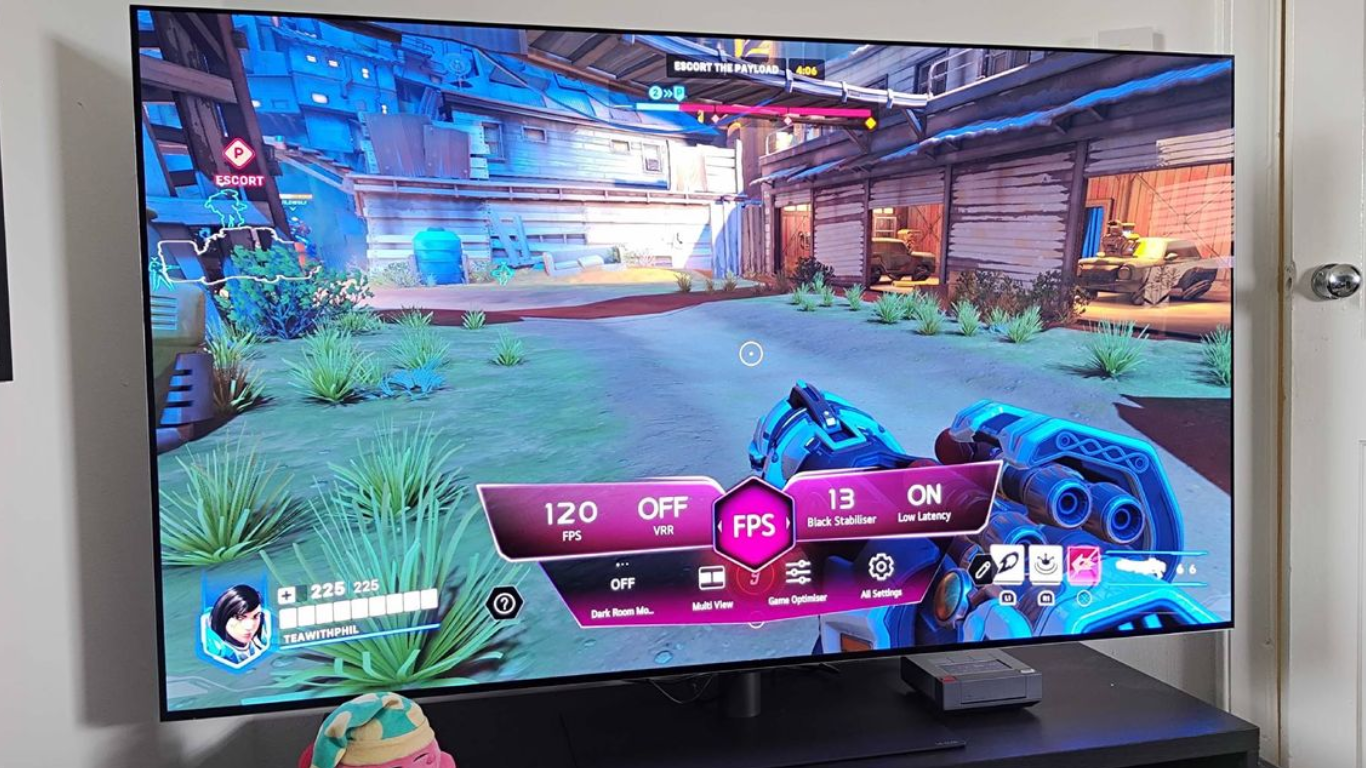
60Hz Standard: Adequate for movies, TV shows, and regular content consumption. Handles cable TV and streaming services smoothly.
120Hz Gaming: Essential for competitive gaming with latest consoles. Provides smoother motion and reduced input lag. Premium TVs from Samsung, LG, Sony offer 120Hz panels.
Motion Smoothing: Software feature interpolating frames creating soap opera effect. Useful for sports; disable for movies maintaining cinematic look.
Gaming-Specific Features
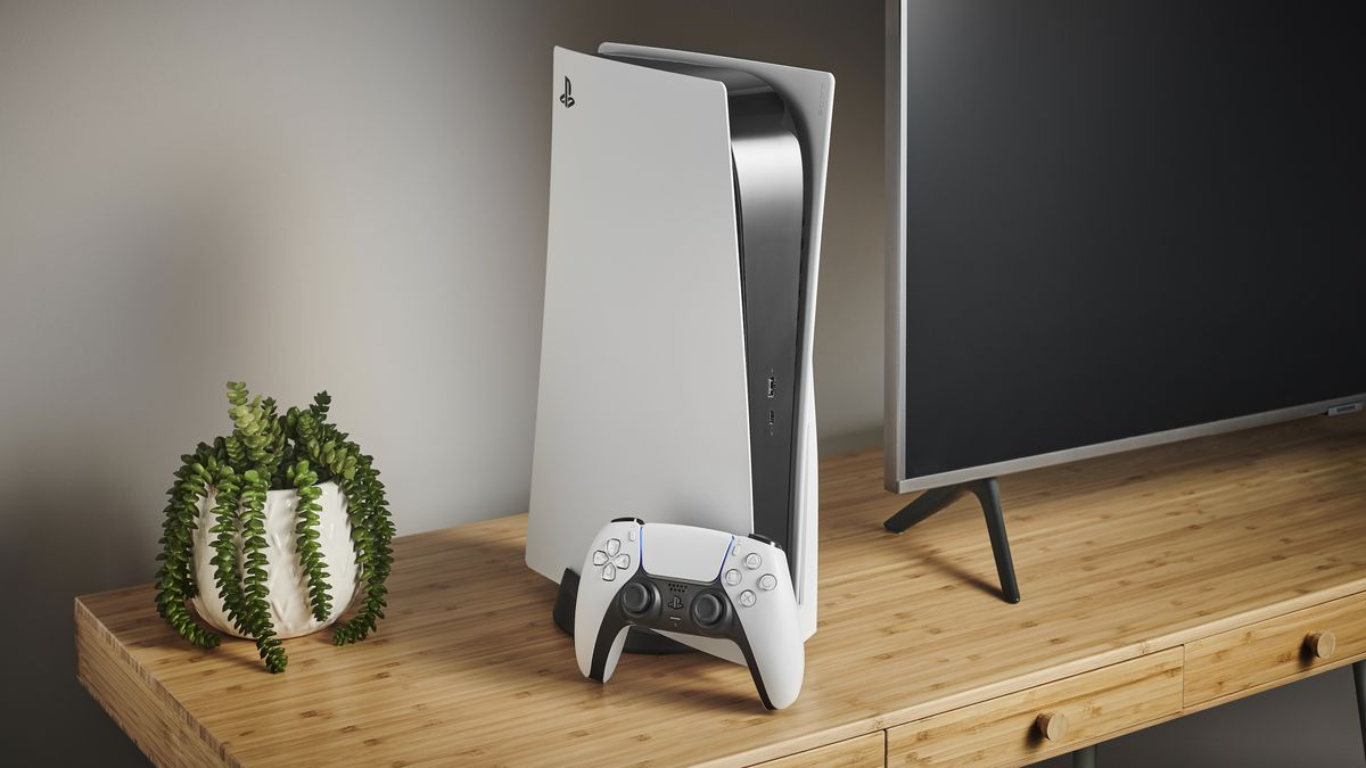
Gamers should prioritize these specifications:
- HDMI 2.1 support for 4K 120Hz
- Variable Refresh Rate (VRR) preventing screen tearing
- Auto Low Latency Mode (ALLM) reducing input lag automatically
- Low input lag (under 20ms preferred)
- Game mode optimizing display settings
Sony, LG, and Samsung flagship models offer comprehensive gaming features. Budget gamers can compromise on 120Hz accepting 60Hz panels.
Energy Efficiency Ratings
BEE star ratings indicate power consumption with 5-star representing maximum efficiency. Higher-rated TVs cost more initially but save electricity bills over 8-10 year lifespan.
Calculate annual consumption: Check power consumption specification (watts) x daily usage hours x 365 days / 1000 = annual units. Multiply by your electricity rate estimating yearly costs.
OLED TVs consume less power than LED due to pixel-level control. Larger screens naturally consume more power regardless of technology.
Brand and After-Sales Support
Premium Brands (Samsung, LG, Sony): Superior build quality, better panels, longer software support, extensive service networks, higher resale value. Justify premium pricing through reliability and longevity.
Chinese Brands (Xiaomi, TCL, Hisense): Aggressive pricing with competitive specifications. Growing service networks though response times vary by location. Value-focused buyers find excellent options.
Indian Brands (Vu, Onida, BPL): Budget-friendly options with basic features. Service availability concentrated in tier-2, tier-3 cities. Suitable for secondary TVs or tight budgets.
Check service center availability in your city. Premium brands maintain service centers in 100+ cities; budget brands concentrate in metros requiring courier service for repairs elsewhere.
Warranty and Protection
Standard warranty covers 1-2 years comprehensive with panel warranty extending 2-3 years. Extended warranty plans cost ₹2,000-5,000 extending coverage 2-3 additional years. Consider extended warranty for premium TVs exceeding ₹50,000 protecting significant investments.
Final Checklist Before Purchase
- Measure room dimensions and viewing distance
- Compare prices across online and offline retailers
- Check delivery and installation charges
- Verify return policy and dead pixel policy
- Read recent user reviews on reliability
- Confirm service center availability locally
- Test demo unit in showroom if possible
- Check current promotional offers and exchange deals
Also Read: Best Colour Laser Printers in India 2026
Conclusion
Television buying requires balancing screen size, display technology, smart features, and budget constraints. Prioritize screen size and resolution appropriate for room dimensions. Choose display technology (LED/QLED/OLED) matching viewing environment and content preferences. Verify smart platform compatibility with preferred streaming services. Ensure adequate connectivity for current and future devices. Consider gaming features if console gaming matters. Check brand reputation and local service availability. Calculate long-term costs including power consumption and potential extended warranty.
Comparos Says: The best television balances specifications with actual usage patterns rather than simply choosing maximum specifications within budget. Assess primary content sources, viewing habits, room lighting conditions, and upgrade cycle expectations before finalizing purchase. Spending extra on appropriate technology and size provides better long-term satisfaction than compromising on fundamentals for unnecessary features.
Follow Us:



Ad
Recent News

Google Pixel 11 Pro vs Pixel 10 Pro: Detailed Comparison of Features and Performance
18-Sep-2026 03:30 AM

Samsung Shifts Focus to HBM Memory Production Amid Rising AI Hardware Demand
18-Sep-2026 02:30 AM

iPhone 18 Pro Max Sets New Charging Speed Record for Apple Devices
17-Sep-2026 05:30 AM

Meta Luna Smart Glasses Without Camera Expected to Launch in October 2026
17-Sep-2026 02:30 AM

Meta Launches Meta One Subscription Bundling Social Media and AI Features Globally
16-Sep-2026 01:30 PM

Vivo V80 Teased Ahead of Expected October Launch in India
16-Sep-2026 11:30 AM
Ad
Reviews & Guides
View All


Samsung Galaxy Buds 4 Pro Review: क्या ₹22,999 में मिलते हैं सबसे बेहतरीन प्रीमियम वायरलेस ईयरबड्स?

कंटेंट क्रिएटर के लिए सबसे दमदार बैटरी लाइफ वाले Windows लैपटॉप, 18 घंटे की मिलेगी बैटरी लाइफ

Samsung Galaxy S26 Ultra क्यों है साल का सबसे बेहतरीन स्मार्टफोन? जानें 5 बड़े कारण

MacBook Neo Review: सस्ता नहीं, Apple का मास्टरस्ट्रोक है ये Laptop!

Samsung Galaxy S26 Ultra Review: AI से लेकर प्राइवेसी डिस्प्ले है सबसे खास, जानें कैसी है परफॉरमेंस
Vivo V70 Elite Review 2026: Price in India, Specs, Features

Best Haier TV in India 2026: Top Models, Prices & Specs

Best Haier LED TV Under Rs 30,000 in India

OnePlus Campus Dominate Season 3 Concludes in Delhi NCR

Raksha Bandhan Special: 6 vivo Smartphones for Every Kind of Sibling

Acer Launches New Nitro 5 Series in india starting price of 167,990

Flipkart Freedom Sale 2026 Starts August 8 With Big Discounts on Smart TVs








Ad
 |
|
807, 808, 8th Floor,
IRIS Tech Tower Sohna Road Sector 48,
Gurugram, Haryana - 122018