


- News
- All News
- Mobiles
- Laptops
- Watches
- Cameras
- Printers
- Refrigerators
- Air Conditioners
- Washing Machines
- Air Purifiers
- Water Purifiers
- Expert Reviews
- All Reviews
- Mobiles
- Laptops
- Watches
- Cameras
- Printers
- Refrigerators
- Air Conditioners
- Washing Machines
- Air Purifiers
- Water Purifiers
- Articles
- All Articles
- Mobiles
- Laptops
- Watches
- Cameras
- Printers
- Refrigerators
- Air Conditioners
- Washing Machines
- Air Purifiers
- Water Purifiers
- Videos
- Videos

Ad
Apple Introduces New Accessibility Features for iPhone and iPad

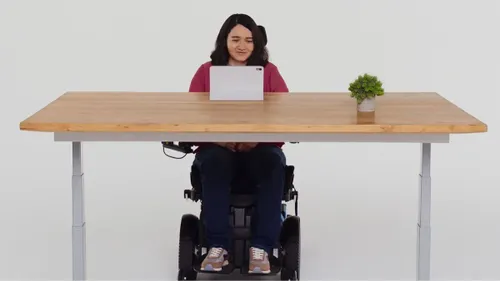
Eye Tracking for Device Control
The new 'Eye Tracking' feature allows users to control their iPad or iPhone with their eyes. Utilizing the front camera and on-device machine learning, this feature is intended for individuals with physical disabilities. It enables navigation, item selection, swiping, and other interactions with all iPadOS and iOS apps through eye movements.
Music Haptics for Hearing Impairments
'Music Haptics' is designed to help people who are deaf or have hearing difficulties experience music on their iPhone. This feature leverages the Taptic Engine to deliver tactile feedback synchronized with the audio. It will work with millions of songs on Apple Music and will be available as an API for developers to integrate into their apps.
Vocal Shortcuts and Speech Recognition
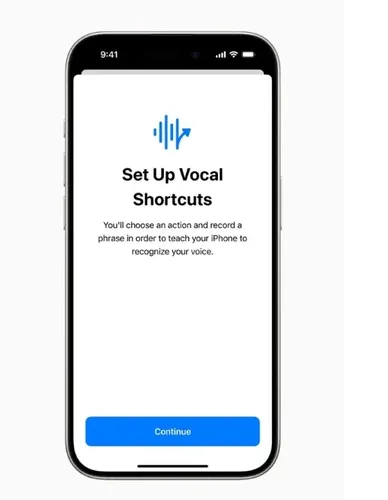
Apple is introducing 'Vocal Shortcuts', which allows users to create custom voice commands for Siri. This feature aims to help users perform tasks like launching shortcuts and completing complex operations more easily. Additionally, 'Listen for Atypical Speech' uses machine learning to recognize and adapt to users with speech difficulties, enhancing Siri's ability to understand and respond to them.
Reducing Motion Sickness
To address motion sickness when using iPhones and iPads in moving vehicles, Apple has introduced 'Vehicle Motion Cues'. This feature displays animated dots on the screen edges to indicate changes in vehicle motion, helping to reduce sensory conflict. Users can enable this feature automatically when in a vehicle or manually via the Control Center.
Additional Accessibility Enhancements
Apple has extended accessibility improvements to other areas, including:
- CarPlay: Now supports Voice Control, Colour Filters, and Sound Recognition.
- Apple VisionPro: Introduces features like Live Captions for FaceTime and Persona.
- VoiceOver: Enhancements for users with visual impairments.
- Magnifier: Improved to assist users with low vision.
- Braille Screen Input and Hover Typing: New input methods for users with disabilities.
Also Read:10 Ways to Keep Your Gaming Laptop Cool
Conclusion
Apple’s new suite of accessibility features is set to make a significant impact on the usability of its devices for people with various disabilities. By incorporating advanced technologies like eye tracking and haptic feedback, Apple continues to lead in creating inclusive technology that enhances the user experience for everyone.
Ad
Ad
Confused? Choose Your Phone
What Matters Most


Get TheWeekly Brief
One email each morning: the launches,
the price changes and the reviews
worth reading.

Ad
Ad
 |
|
807, 808, 8th Floor,
IRIS Tech Tower Sohna Road Sector 48,
Gurugram, Haryana - 122018