



Ad
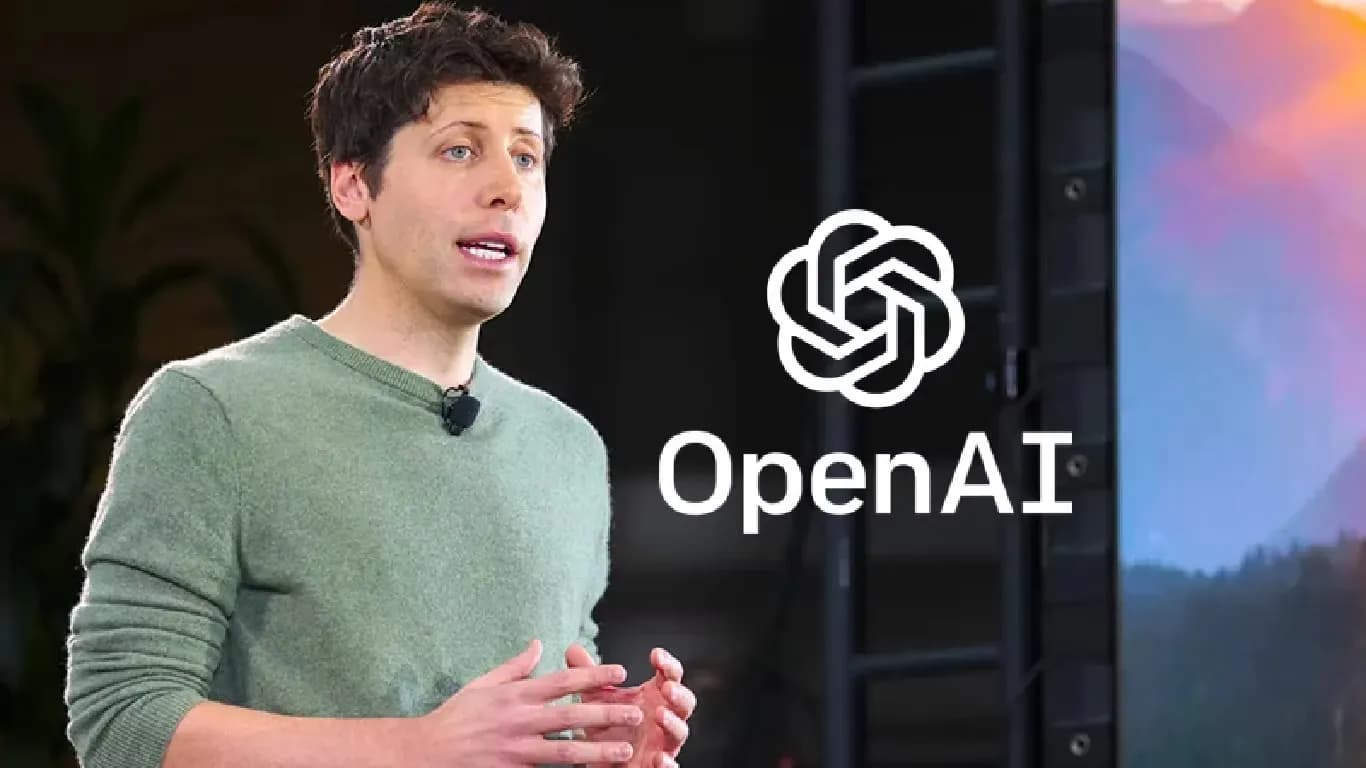
Sam Altman Revises AI Disruption Timeline, Cites Slow Economic Adaptation



Follow Us:


5,822 views
Sam Altman, CEO of OpenAI, has acknowledged he was too optimistic about how quickly artificial intelligence would disrupt businesses and transform the economy. In a recent interview with podcaster David Senra, Altman discussed his earlier predictions and admitted he underestimated the inertia present in the economy.
Key Highlights
- Sam Altman admits he overestimated the speed of AI-driven business disruption
- OpenAI CEO cites economic inertia as a key reason for slower adaptation to AI
- Altman now expects AI's impact to unfold over a longer period than first predicted
Altman Reflects on AI Adoption Pace
Altman stated that while AI technology, such as GPT-4, advanced faster than anticipated, businesses and individuals have been slower to adapt. He originally believed that the launch of GPT-4 in 2023 would lead to immediate and visible disruption in the software industry. Altman expected companies and products to become easier to replace soon after the release.
He said, “I thought when we got to GPT-4, which was back in 2023, that very quickly after that there was going to be much more disruption, software businesses up for grabs right away, than it turned out to be.”
However, Altman now sees that the technology itself is not the main barrier. Instead, the economy’s inertia slows down change. People and companies tend to stick with familiar products, established workflows, and trusted brands, even when new technology becomes available.
Gradual Transition Benefits and Implications
Altman explained that this slow pace of change can be beneficial. A gradual transition allows businesses and society more time to understand how AI fits into daily work. It prevents sudden, widespread disruption and gives organizations time to adjust.
He said, “People keep doing the same things, buying from the same company, wanting to use their tools the same way.” Altman added that this inertia could help make the transition “go smoother and slower.”
Altman emphasized that he does not believe AI’s impact will be small. Instead, he now expects the transformation to take longer than he first predicted. “But it means we've all been too ambitious on timelines. Even with this incredible technology, society and the economy will adapt more slowly,” he said.
AI Progress and Societal Adaptation
The main takeaway from Altman’s comments is that while AI technology is advancing rapidly, the adoption by people and businesses is much slower. This gap between technological progress and societal adaptation could shape the next phase of AI’s impact on the economy.
Altman’s revised outlook suggests that the effects of AI will unfold over a longer period. Businesses and workers will have more time to adjust to new tools and processes. This slower pace may help reduce disruption and allow for a smoother integration of AI into everyday life.
Latest News


Reviews & Guides
View All


Samsung Galaxy Buds 4 Pro Review: क्या ₹22,999 में मिलते हैं सबसे बेहतरीन प्रीमियम वायरलेस ईयरबड्स?

कंटेंट क्रिएटर के लिए सबसे दमदार बैटरी लाइफ वाले Windows लैपटॉप, 18 घंटे की मिलेगी बैटरी लाइफ

Samsung Galaxy S26 Ultra क्यों है साल का सबसे बेहतरीन स्मार्टफोन? जानें 5 बड़े कारण

MacBook Neo Review: सस्ता नहीं, Apple का मास्टरस्ट्रोक है ये Laptop!

Samsung Galaxy S26 Ultra Review: AI से लेकर प्राइवेसी डिस्प्ले है सबसे खास, जानें कैसी है परफॉरमेंस

Vivo V70 Elite Review 2026: Price in India, Specs, Features

Raksha Bandhan Special: 6 vivo Smartphones for Every Kind of Sibling

Acer Launches New Nitro 5 Series in india starting price of 167,990

Flipkart Freedom Sale 2026 Starts August 8 With Big Discounts on Smart TVs

Samsung has unveiled its first credit card, Earn 5% back

5 Anti-Scam Tools on WhatsApp that protect you from Digital Fraud

How Samsung’s Galaxy S26 Series is Democratizing Mobile Filmmaking