



Ad
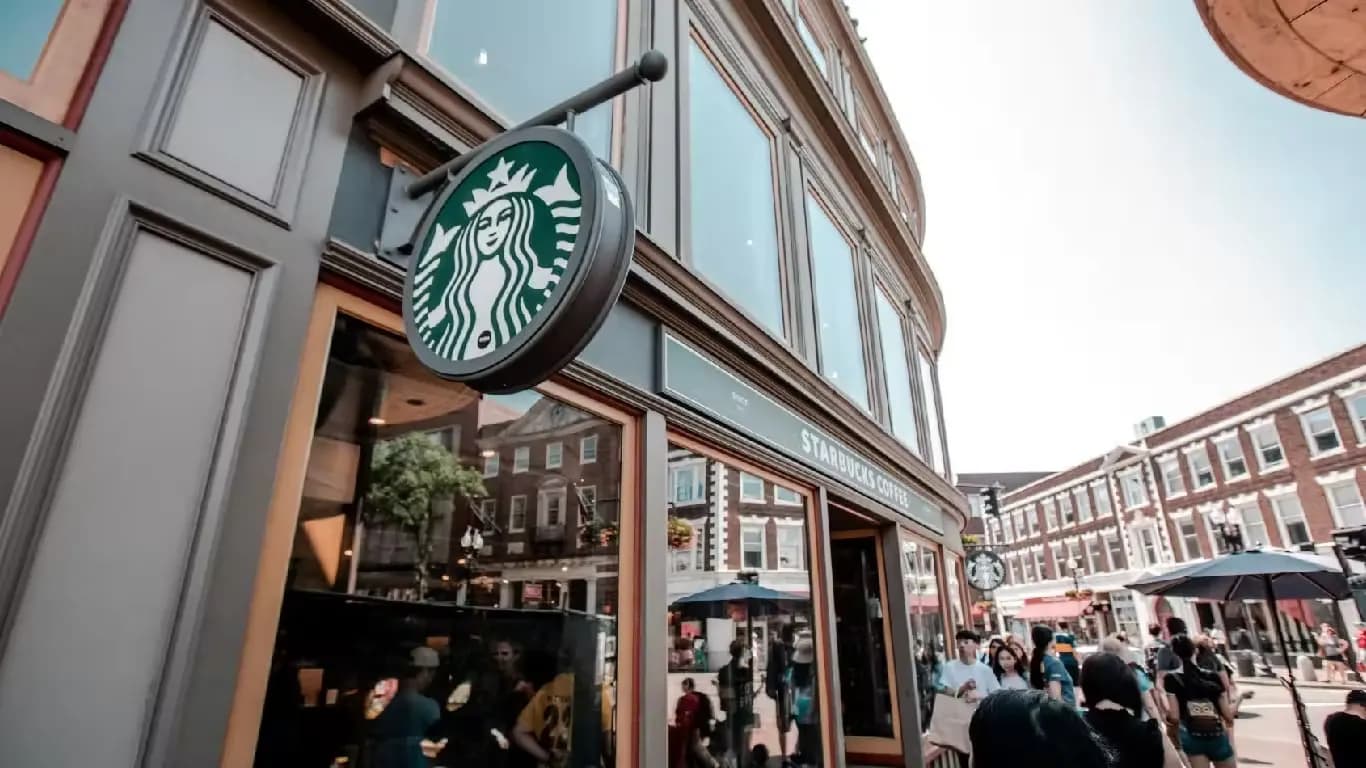
Starbucks Ends AI Inventory Program After Miscounts in North American Stores



Follow Us:


8,936 views
Starbucks has discontinued its AI-powered inventory management program in North America after only nine months of use. The decision follows reports that the system frequently miscounted and mislabeled products, including confusing different types of milk cartons. The technology, which used cameras and LIDAR, was intended to replace manual counting and address product shortages that CEO Brian Niccol identified as a factor in declining sales.
Key Highlights
- Starbucks ended its AI inventory program after nine months due to frequent miscounts and mislabeled products.
- The AI system struggled to distinguish between similar items like oat milk and almond milk.
- Manual inventory counting has resumed in North American Starbucks stores after the AI tool was retired.
AI Inventory System Deployment
The AI inventory tool was introduced to automate stock checks in Starbucks stores. Workers used a tablet to scan shelves filled with syrups, milk, and other beverage ingredients. The system was expected to speed up inventory checks and improve accuracy by reducing human error. However, the technology struggled to distinguish between similar products, such as oat milk and almond milk, and sometimes missed items entirely.
According to Reuters, these issues led to significant operational challenges. The system’s inability to handle subtle differences in packaging and labeling resulted in frequent errors. As a result, the company decided to retire the automated system and return to manual inventory counting methods.
Challenges of AI in Real-World Settings
This incident highlights ongoing challenges for artificial intelligence in practical applications. While AI can excel in tasks like generating essays or writing code, it can struggle with real-world environments that require contextual understanding. Small changes in lighting, label design, or packaging can confuse automated systems in ways that do not affect human workers.
Experts note that these limitations mean AI cannot fully replace human oversight in jobs that require attention to detail and contextual judgment. The Starbucks case demonstrates that, despite rapid advances in technology, human workers remain essential for certain tasks.
Return to Manual Inventory Counting
Starbucks communicated the change to its staff through an internal newsletter. The message stated, “Starting today, Automated Counting will be retired. Beverage components and milk will now be counted the same way you count other inventory categories in your coffeehouse.” This marks a return to traditional inventory practices, with employees once again responsible for counting stock by hand.
The episode serves as a reminder that artificial intelligence, while powerful, still faces significant hurdles in complex, real-world environments. The technology’s limitations can become apparent even in routine tasks, such as managing inventory in a coffee shop.
Latest News



Reviews & Guides
View All


Samsung Galaxy Buds 4 Pro Review: क्या ₹22,999 में मिलते हैं सबसे बेहतरीन प्रीमियम वायरलेस ईयरबड्स?

कंटेंट क्रिएटर के लिए सबसे दमदार बैटरी लाइफ वाले Windows लैपटॉप, 18 घंटे की मिलेगी बैटरी लाइफ

Samsung Galaxy S26 Ultra क्यों है साल का सबसे बेहतरीन स्मार्टफोन? जानें 5 बड़े कारण

MacBook Neo Review: सस्ता नहीं, Apple का मास्टरस्ट्रोक है ये Laptop!

Samsung Galaxy S26 Ultra Review: AI से लेकर प्राइवेसी डिस्प्ले है सबसे खास, जानें कैसी है परफॉरमेंस

Vivo V70 Elite Review 2026: Price in India, Specs, Features

Best Phone Under ₹10,000 for Elderly and Senior Citizens

Haier 32, 43 & 55 Inch LED TV: Full Specifications & Price Comparison

Best 4K TVs Under ₹40,000 in India (2026)

Lava Virat Curve 5G Price in India, Launch Date & Specs 2026

Samsung Galaxy S26 FE Price in India ₹79,999, Specs & Offers

Samsung Galaxy S26 FE vs iPhone 17: Price & Specs