



Ad
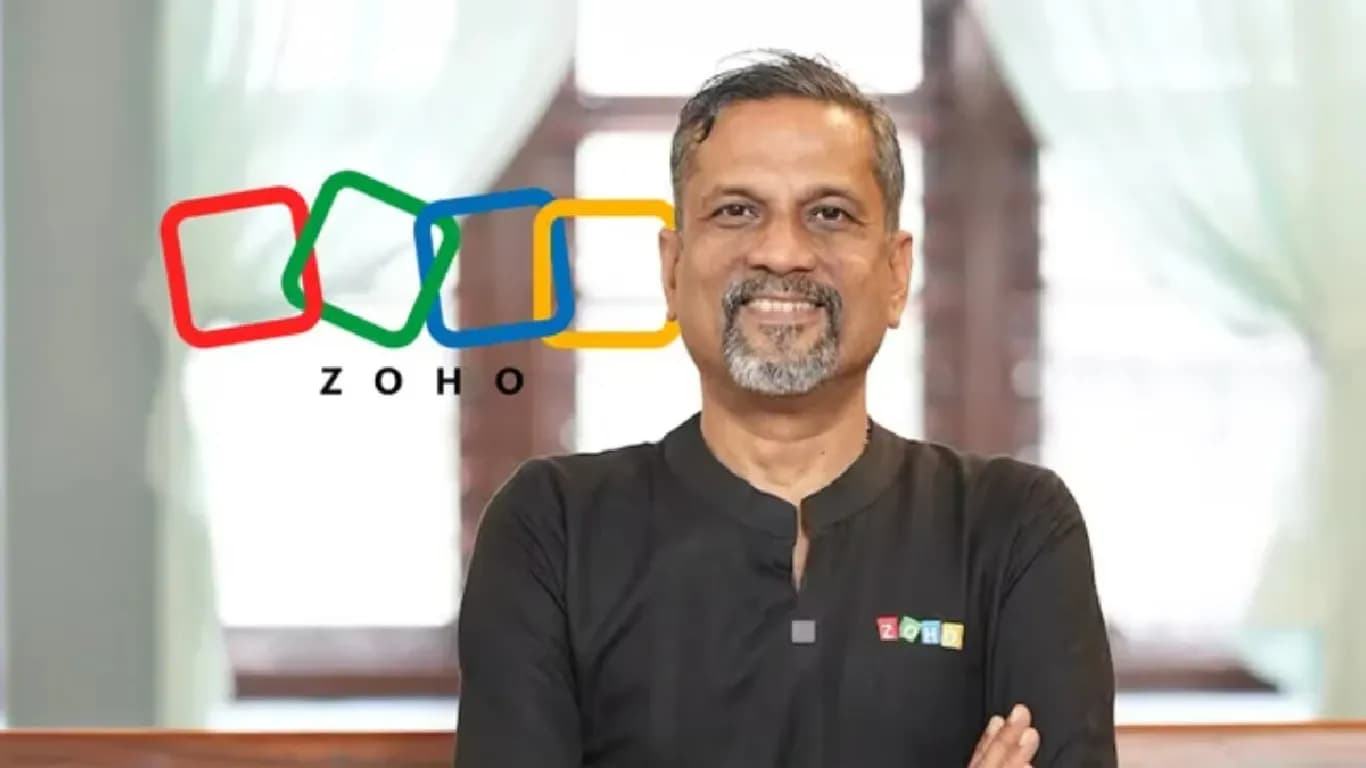
Zoho’s Sridhar Vembu Warns AI Cannot Solve Global Economic Challenges



Follow Us:


11,276 views
Zoho founder Sridhar Vembu has cautioned that artificial intelligence (AI) alone cannot resolve the world’s deeper economic issues. His warning comes as the tech industry debates the impact of AI, and follows Zoho’s decision to cancel a broader work-from-home policy for its employees.
Key Highlights
- Zoho founder Sridhar Vembu warns AI cannot solve deeper global economic problems.
- Vembu links company layoffs to economic pressures rather than AI advancements.
- Zoho maintains office work policy despite calls for expanded remote work.
- Company explores electric buses and solar energy to improve sustainability.
Vembu shared his concerns in a detailed post on X, highlighting that the global economy may face difficult times despite the current AI boom. He noted that many people in the United States, including college students, are increasingly skeptical of AI, even though the country leads in this technology.
AI and Economic Pressures
Vembu pointed out that companies are linking layoffs to AI, which allows them to appear forward-thinking while providing a convenient reason for job cuts. He explained, “The layoffs are related to rising cost pressures, we experience those pressures too so we know this first hand.”
He emphasized that economic pressures on businesses are a larger concern than AI itself. While billions of dollars are being invested in AI, Vembu believes this wave of investment may only temporarily support the economy, rather than address its structural problems. “The economic picture is getting grimmer. The AI investment bubble has kept the US economy afloat but that can only go on for so long,” he said.
Vembu argued that the world may be witnessing a slow shift in the global order established after World War II. He referenced the 2008 global financial crisis as an early sign of these changes. He also noted that major technological revolutions in the past, such as the rise of smartphones, did not prevent economic instability. “AI will not magically cure global imbalances. We must prepare for tough times ahead,” he added.
Zoho’s Stance on Remote Work
Vembu’s comments come shortly after he rejected expanding work-from-home options at Zoho. This decision followed Prime Minister Narendra Modi’s appeal to companies to reduce fuel consumption by encouraging remote work and virtual meetings amid global uncertainty linked to the West Asia conflict.
Zoho discussed whether to bring back broader work-from-home flexibility. After internal discussions, the company decided against it, citing higher productivity from face-to-face collaboration, especially for research and development teams. Vembu explained, “Ultimately, after a lot of people inside weighed in on my X post, we decided not to expand WFH because the productivity of face to face problem solving is much higher in R&D.”
He added that solving technical problems becomes slower when employees work remotely for extended periods. Spontaneous discussions and faster collaboration happen more naturally when teams work together in person. “I have experienced this in my own development team—issues take longer to resolve when you are not meeting the people involved in solving the problem. Collaboration happens more fluidly face to face and we come up with better solutions,” he said.
While Zoho is not expanding remote work, the company is exploring other ways to reduce fuel consumption and improve sustainability. Vembu said Zoho is considering electric bus fleets for employee transport, electric cooking systems in canteens, and continued investments in solar energy infrastructure.
Latest News


Reviews & Guides
View All


Samsung Galaxy Buds 4 Pro Review: क्या ₹22,999 में मिलते हैं सबसे बेहतरीन प्रीमियम वायरलेस ईयरबड्स?

कंटेंट क्रिएटर के लिए सबसे दमदार बैटरी लाइफ वाले Windows लैपटॉप, 18 घंटे की मिलेगी बैटरी लाइफ

Samsung Galaxy S26 Ultra क्यों है साल का सबसे बेहतरीन स्मार्टफोन? जानें 5 बड़े कारण

MacBook Neo Review: सस्ता नहीं, Apple का मास्टरस्ट्रोक है ये Laptop!

Samsung Galaxy S26 Ultra Review: AI से लेकर प्राइवेसी डिस्प्ले है सबसे खास, जानें कैसी है परफॉरमेंस

Vivo V70 Elite Review 2026: Price in India, Specs, Features

Best 4K TVs Under ₹40,000 in India (2026)

Lava Virat Curve 5G Price in India, Launch Date & Specs 2026

Samsung Galaxy S26 FE Price in India ₹79,999, Specs & Offers

Samsung Galaxy S26 FE vs iPhone 17: Price & Specs

Best Haier TV in India 2026: Top Models, Prices & Specs

Best Haier LED TV Under Rs 30,000 in India