



Ad
Expert Reviews
Apple Considers Intel and Samsung to Diversify Chip Manufacturing Beyond TSMC



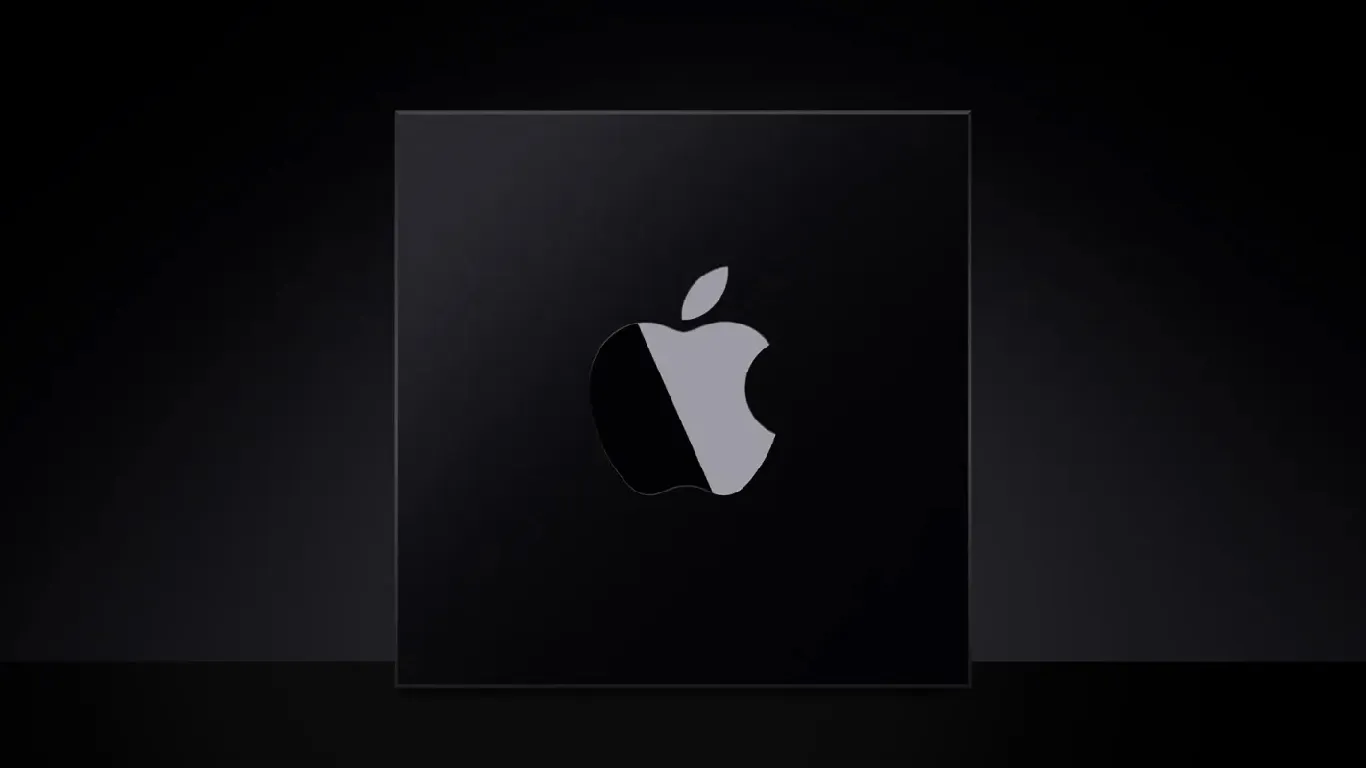
Apple has begun exploring new chip manufacturing partners to reduce its reliance on TSMC. Early discussions with Intel and site evaluations at Samsung Electronics facilities mark a significant shift in Apple's strategy, according to a recent Bloomberg report. TSMC has served as Apple's main chip supplier for over a decade, producing custom-designed chips using advanced nodes, including the current 3nm process.
Key Highlights
- Apple is exploring Intel and Samsung as alternative chip manufacturing partners.
- TSMC has supplied Apple with advanced chips for over a decade.
- No formal agreements have been reached with Intel or Samsung.
- Apple aims to reduce supply chain risks and ensure long-term stability.
- Geopolitical factors and AI demand are influencing Apple's chip strategy.
Apple Seeks to Reduce TSMC Dependence
Reports indicate that Apple is still in the early stages of talks with Intel and Samsung. No formal production agreements have been reached. Apple is assessing whether these companies can match TSMC's scale, consistency, and advanced fabrication capabilities. The move comes as global semiconductor supply chains face pressure from rising demand for AI infrastructure and devices capable of running AI workloads locally. Even Apple, one of the world's largest technology firms, has felt the impact of these supply constraints. The company is now looking for additional production partners to ensure long-term stability.
Industry and Geopolitical Context
Apple has restructured its hardware teams, placing silicon development under unified leadership led by Chief Hardware Officer Johny Srouji. This aims to streamline innovation and strengthen oversight of critical components, including in-house processors. Securing Apple as a client would be a major achievement for Intel, which is working to expand its foundry business. Intel and Apple have a history of collaboration dating back to the mid-2000s. Samsung, meanwhile, could improve its standing in advanced chip production, though it currently lags behind TSMC in this area.
Geopolitical factors may also be influencing Apple's strategy. TSMC's operations are based in Taiwan, and diversifying production could help Apple manage risks related to regional tensions. This approach aligns with broader efforts to expand semiconductor manufacturing in the United States. Despite these considerations, Apple remains cautious about moving away from TSMC's established processes. It is unclear if these early discussions with Intel and Samsung will result in formal partnerships.
Future Outlook
Apple appears to be carefully evaluating its options as it navigates a complex and competitive semiconductor market. The company has not made any final decisions and continues to rely on TSMC for its most advanced chips. The outcome of these discussions could have significant implications for the global chip industry and Apple's future product development.
Follow Us:



Ad
Recent News

OnePlus Summer Sale India: Major Discounts on Phones and Tablets Announced
05-May-2026 08:00 AM

Samsung Galaxy S27 Ultra May Feature Variable Aperture Camera, Leaks Suggest
05-May-2026 07:01 AM

OpenAI Responds to GPT-5.5 Party Disappointment With Surprise for Users
05-May-2026 07:00 AM

Wednesday Season 3: Expected Release Date, Cast, and Plot Details
05-May-2026 07:00 AM

Apple Considers Intel and Samsung to Diversify Chip Manufacturing Beyond TSMC
05-May-2026 07:00 AM

Oppo Find X9 Ultra and Find X9s Expected to Launch in India on May 15
05-May-2026 07:00 AM
Ad
Reviews & Guides
View All


MacBook Neo Review: सस्ता नहीं, Apple का मास्टरस्ट्रोक है ये Laptop!

Samsung Galaxy S26 Ultra Review: AI से लेकर प्राइवेसी डिस्प्ले है सबसे खास, जानें कैसी है परफॉरमेंस

Vivo V70 Elite Review 2026: Price in India, Specs, Features
Asus Zenbook 14 UM3406G Review: All New Thin and Light Ai Laptop

Realme P4 Power 5G First Impressions: Massive Battery and Power
Brother MFC-J5855DW Printer Review 2026: Features, Specs, Performance

Why switch to iPhone These Reasons Will Convince You Instantly

Haier Launches F11, India’s Only Ultra Fresh Air Technology Washing Machine with Full AI Color Touch Panel
Samsung Galaxy S26 Ultra Privacy Display Explained: How It Works
Apple iPhone 17 vs Samsung Galaxy S26: Price in India, Specifications

Should You Buy a Smart AC in India 2026? Pros, Cons, and Top Models

Window AC or Split AC: What Should You Choose in 2026?
Ad






Latest Mobiles In India


Ad
Ad
 |
|
807, 808, 8th Floor,
IRIS Tech Tower Sohna Road Sector 48,
Gurugram, Haryana - 122018