



Ad
Expert Reviews
Key Factors to Consider Before Repairing or Replacing Your Old Air Conditioner



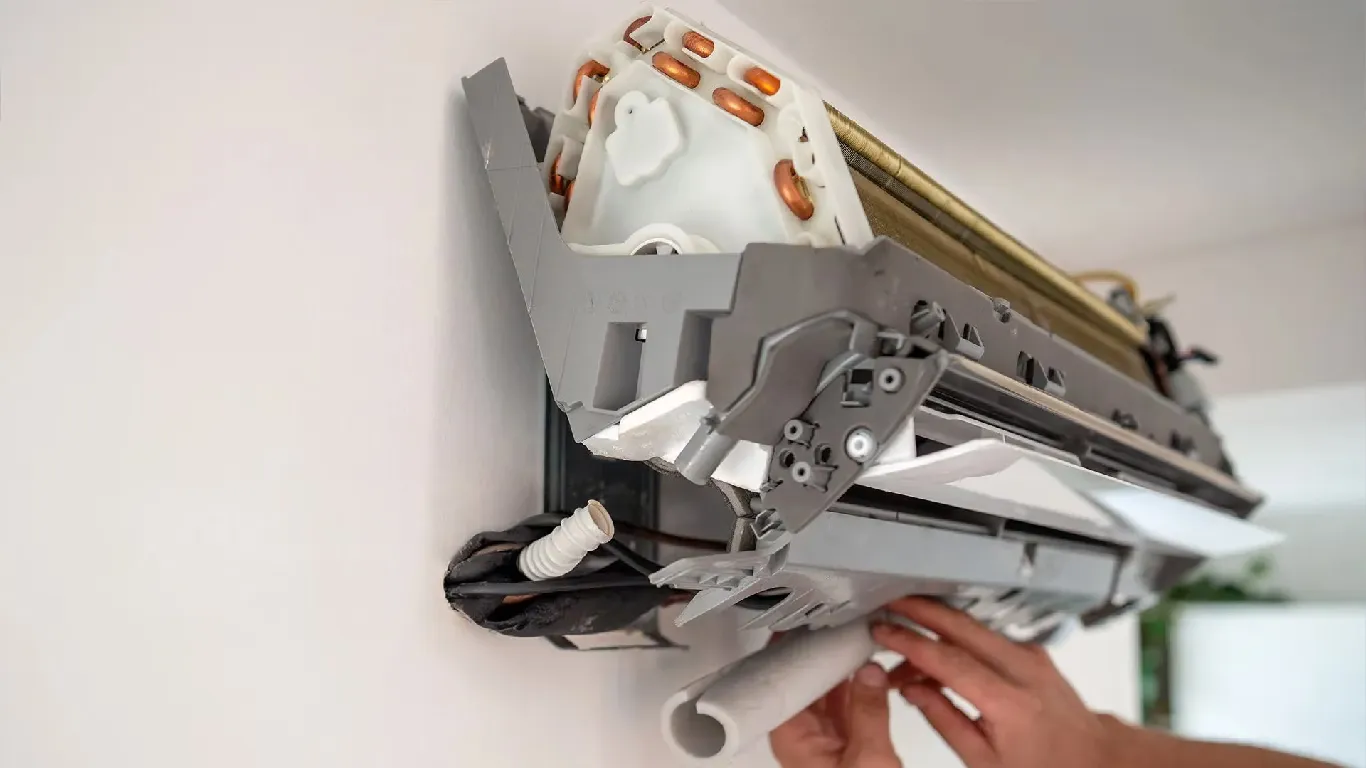
Deciding whether to repair or replace an air conditioner is a common challenge during summer. Many people face this issue when their units start to malfunction. While repairing may seem easier, it is not always the best long-term solution. The age of the unit, frequency of breakdowns, and rising electricity bills are critical factors in this decision.
Key Highlights
- Most air conditioners last between ten and fifteen years before performance declines.
- Frequent breakdowns and rising electricity bills signal it may be time to replace your unit.
- The 5,000 Rule helps determine if repair costs justify replacement of your air conditioner.
- Modern air conditioners are more energy efficient than older models, reducing long-term costs.
Assessing the Age and Performance
Most air conditioners last between ten and fifteen years. If your unit is close to ten years old, its performance may decline. Older air conditioners may struggle to cool rooms evenly or may break down more often. Frequent problems indicate the unit may have reached the end of its useful life. Repairing old units may fix immediate issues, but new problems can arise soon after. In these cases, replacing the air conditioner is often a better long-term choice.
Evaluating Energy Efficiency and Costs
As air conditioners age, their motors work harder to produce cold air. This increased effort leads to higher electricity usage and rising utility bills. Modern air conditioners are more energy efficient than those made five years ago. Upgrading to a newer model can reduce monthly energy costs. Over time, these savings may offset the cost of a new unit.
Repair Frequency and the 5,000 Rule
A reliable air conditioner should not require frequent repairs. If you need to call a technician more than once a year, repair costs can accumulate quickly. Experts recommend using the '5,000 Rule' to guide your decision. Multiply the age of your unit by the cost of each repair. If the total exceeds 5,000, it is usually better to replace the unit rather than continue repairing it.
Making an Informed Decision
Ignoring key factors such as age, repair frequency, and energy costs can lead to unnecessary expenses and poor cooling performance. Carefully assess your air conditioner's condition before deciding to repair or replace it. A thoughtful approach can help you avoid repeated breakdowns and high utility bills.
Follow Us:



Ad
Recent News

Elon Musk Confirms xAI Used OpenAI Models in Ongoing Legal Dispute
01-May-2026 05:36 AM

OnePlus Pad 4 Debuts with Snapdragon 8 Elite Gen 5 built for PC-Level Performance
30-Apr-2026 05:18 PM

iQOO Neo 10 Returns by Popular Demand in Alpine White and Asphalt Black
30-Apr-2026 10:38 AM

Samsung Galaxy Z Fold 8 Expected Launch, Features, and Price Details Revealed
29-Apr-2026 09:00 AM

Key Factors to Consider Before Repairing or Replacing Your Old Air Conditioner
29-Apr-2026 09:00 AM

Elon Musk Uses iPhone 17 Pro Amid OpenAI Legal Battle
29-Apr-2026 09:00 AM
Ad
Reviews & Guides
View All


Samsung Galaxy S26 Ultra Review: AI से लेकर प्राइवेसी डिस्प्ले है सबसे खास, जानें कैसी है परफॉरमेंस

Vivo V70 Elite Review 2026: Price in India, Specs, Features

Asus Zenbook 14 UM3406G Review: All New Thin and Light Ai Laptop

Realme P4 Power 5G First Impressions: Massive Battery and Power

Brother MFC-J5855DW Printer Review 2026: Features, Specs, Performance

Haier H5E Series 4K Ultra HD Smart Google TV Review: Price and specification

Why switch to iPhone These Reasons Will Convince You Instantly

Haier Launches F11, India’s Only Ultra Fresh Air Technology Washing Machine with Full AI Color Touch Panel

Samsung Galaxy S26 Ultra Privacy Display Explained: How It Works

Apple iPhone 17 vs Samsung Galaxy S26: Price in India, Specifications
Should You Buy a Smart AC in India 2026? Pros, Cons, and Top Models
Window AC or Split AC: What Should You Choose in 2026?
Ad






Latest Mobiles In India


Ad
Ad
 |
|
807, 808, 8th Floor,
IRIS Tech Tower Sohna Road Sector 48,
Gurugram, Haryana - 122018