



Ad
Expert Reviews
Taylor Swift Files Trademark Applications to Protect Voice and Likeness from AI Deepfakes




Taylor Swift has filed trademark applications to protect her voice and stage image as artificial intelligence (AI) deepfakes become more common in the entertainment industry. This legal move aims to address the growing risk of AI-generated content that can convincingly imitate celebrities without their consent.
Key Highlights
- Taylor Swift files trademark applications to protect her voice and stage image from AI deepfakes.
- Legal experts say voice trademarks are a new approach to address AI-generated imitations.
- Other celebrities including Matthew McConaughey and Scarlett Johansson have taken similar legal steps.
- Industry groups and artists are calling for stronger safeguards against unauthorized AI use.
Swift's decision comes after repeated incidents of online content manipulation involving her likeness. By trademarking specific recordings and her signature stage image, she seeks to prevent unauthorized use and misleading reproductions of her identity.
Legal Response to AI Deepfakes
AI-generated deepfakes have raised concerns among artists and industry groups. These technologies can create content that closely resembles real individuals, blurring the line between genuine and artificial media. Swift's trademark applications could allow her to challenge imitations that are not exact copies but are similar enough to cause confusion.
Legal experts note that registering a voice as a trademark is a relatively new approach. This move could set a precedent for how intellectual property law adapts to generative AI. By securing rights over specific phrases delivered in her voice, Swift may have legal grounds to act against deceptive uses of her identity.
Industry and Celebrity Reactions
Other celebrities have also taken steps to protect their identities from AI misuse. Actors like Matthew McConaughey have filed trademarks for their voices and likeness. Scarlett Johansson and Tom Hanks have publicly opposed unauthorized AI use in advertising and online content.
Companies have already introduced digital 'agents' that mimic well-known personalities to attract users. This trend has led to multiple lawsuits involving AI tools used to create deepfakes, advertisements, banners, posters, songs, and tunes that belong to creative individuals.
Calls for Stronger Safeguards
Artists and industry groups are increasingly demanding stronger protections to ensure creative identities are not replicated without permission. Despite these calls, no specific regulations have been implemented so far to address the issue.
The ongoing legal actions and trademark filings highlight the urgent need for updated laws to keep pace with advances in AI technology. As the entertainment industry adapts, the outcome of these efforts may influence future protections for artists and public figures.
Follow Us:



Ad
Recent News

Meta Partners to Harness Space-Based Solar Power for AI Data Centers
28-Apr-2026 08:00 AM

Taylor Swift Files Trademark Applications to Protect Voice and Likeness from AI Deepfakes
28-Apr-2026 07:00 AM

Apple Plans iPhone Ultra Foldable and MacBook Ultra With OLED Touchscreen
28-Apr-2026 07:00 AM

Google Warns Users of New Email and Microsoft Teams Phishing Scam
28-Apr-2026 06:00 AM

OpenAI Expands Cloud Partnerships Beyond Microsoft, Updates Revenue-Sharing Terms
28-Apr-2026 06:00 AM

Elon Musk Accuses OpenAI Leaders of Misusing Nonprofit Status in Ongoing Legal Battle
28-Apr-2026 04:00 AM
Ad
Reviews & Guides
View All

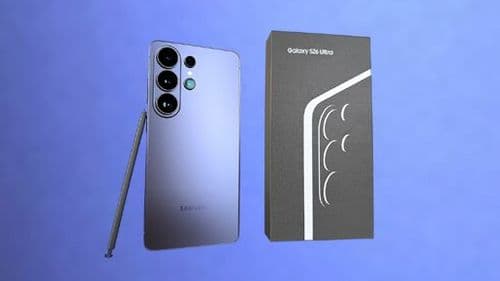
Samsung Galaxy S26 Ultra Review: AI से लेकर प्राइवेसी डिस्प्ले है सबसे खास, जानें कैसी है परफॉरमेंस
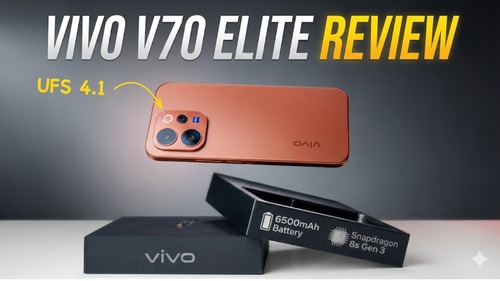
Vivo V70 Elite Review 2026: Price in India, Specs, Features
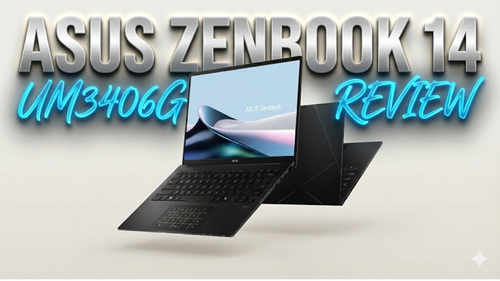
Asus Zenbook 14 UM3406G Review: All New Thin and Light Ai Laptop
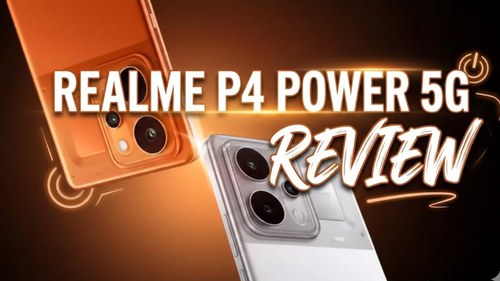
Realme P4 Power 5G First Impressions: Massive Battery and Power
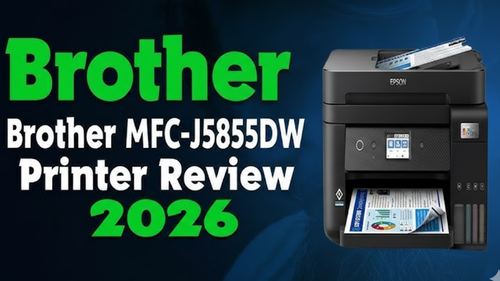
Brother MFC-J5855DW Printer Review 2026: Features, Specs, Performance

Haier H5E Series 4K Ultra HD Smart Google TV Review: Price and specification

Why switch to iPhone These Reasons Will Convince You Instantly

Haier Launches F11, India’s Only Ultra Fresh Air Technology Washing Machine with Full AI Color Touch Panel
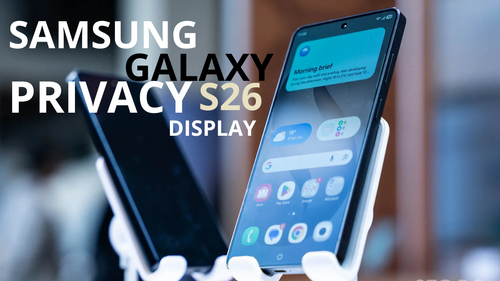
Samsung Galaxy S26 Ultra Privacy Display Explained: How It Works
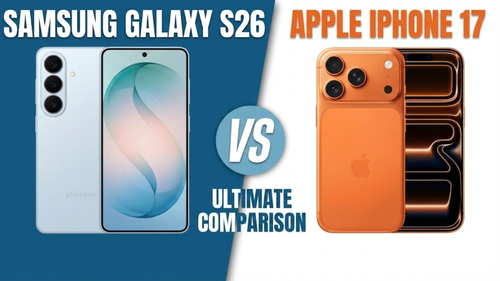
Apple iPhone 17 vs Samsung Galaxy S26: Price in India, Specifications

Should You Buy a Smart AC in India 2026? Pros, Cons, and Top Models

Window AC or Split AC: What Should You Choose in 2026?
Ad






Latest Mobiles In India


Ad
Ad
 |
|
807, 808, 8th Floor,
IRIS Tech Tower Sohna Road Sector 48,
Gurugram, Haryana - 122018