



Ad
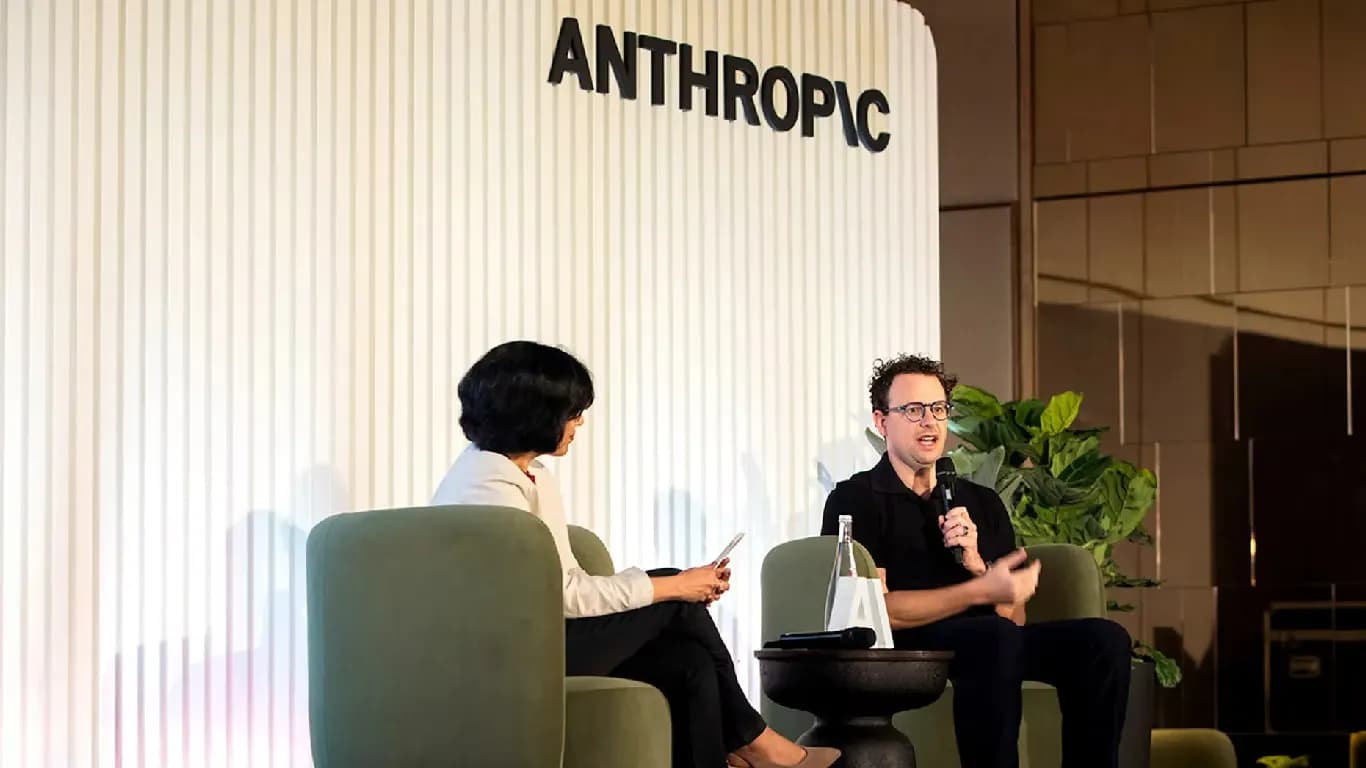
Anthropic Faces US Export Controls Over Advanced AI Models Amid Security Concerns



Follow Us:


7,450 views
Anthropic has sent senior technical staff to Washington to address a dispute with the Trump administration. This dispute led to restrictions on some of Anthropic's most advanced AI models. Axios reports that Anthropic engineers have met with White House officials to resolve concerns that resulted in the shutdown of the company's flagship AI models, Claude Mythos 5 and Claude Fable 5. Both sides are reportedly seeking a resolution to restore normal operations. The shutdown came days after a federal export control order affected access to the two models for paying Claude subscribers.
Key Highlights
- Anthropic sent senior engineers to Washington to resolve AI model restrictions with US officials.
- US government concerns led to shutdown of Claude Mythos 5 and Claude Fable 5 models.
- White House cited national security risks and issued a federal export control order.
- Zoho's Sridhar Vembu urged India to develop domestic AI capabilities amid global tech restrictions.
US Government Concerns and Model Shutdown
The US government raised concerns about the capabilities and security of Anthropic's latest AI systems. Mythos 5 and Fable 5 are part of the "Mythos-class" family, built on the same foundation as Claude Mythos Preview. Anthropic had previously described the earlier model as too powerful for public release due to potential misuse risks. Mythos 5 and Fable 5 included additional safeguards, but new concerns emerged after their launch.
Reports indicate that companies, including Amazon, informed White House officials about methods to bypass the models' protections using jailbreak techniques. These concerns escalated quickly. White House officials contacted Anthropic on Friday, warning that keeping the models online posed a national security risk. Anthropic was given a short window to respond before a formal export control order was issued. The company shut down access to the models within hours.
Another report from Semafor stated that US officials were also investigating whether a group linked to China had accessed a Mythos-class model. Anthropic does not officially allow access to its AI systems from China. Axios suggests the administration was dissatisfied with Anthropic's initial response to complaints about vulnerabilities. This dissatisfaction may have led to the aggressive action against the company.
Industry Impact and International Reactions
This situation has become a major issue in the AI industry. It raises questions about how governments will regulate powerful artificial intelligence systems. The case highlights national security concerns related to advanced AI models, especially those capable of handling sensitive cybersecurity tasks.
The White House's actions have also drawn responses from technology leaders outside the United States. Zoho founder and chief scientist Sridhar Vembu described the development as a sign that access to advanced technology is now a national security matter. In a post on X, Vembu noted that access to Mythos and Fable AI models was disabled for everyone outside America.
Vembu called for India to invest in its own AI capabilities and promote the use of Indian and open-source AI models. He emphasized the need for deeper domestic research and development. Vembu pointed out that training advanced AI models requires significant computing resources and access to advanced chips, which are increasingly restricted due to geopolitical tensions. He urged Indian organizations to reduce reliance on foreign AI providers and focus on building homegrown alternatives that can operate despite global policy changes.
Latest News
Reviews & Guides
View All


Samsung Galaxy Buds 4 Pro Review: क्या ₹22,999 में मिलते हैं सबसे बेहतरीन प्रीमियम वायरलेस ईयरबड्स?

कंटेंट क्रिएटर के लिए सबसे दमदार बैटरी लाइफ वाले Windows लैपटॉप, 18 घंटे की मिलेगी बैटरी लाइफ

Samsung Galaxy S26 Ultra क्यों है साल का सबसे बेहतरीन स्मार्टफोन? जानें 5 बड़े कारण

MacBook Neo Review: सस्ता नहीं, Apple का मास्टरस्ट्रोक है ये Laptop!

Samsung Galaxy S26 Ultra Review: AI से लेकर प्राइवेसी डिस्प्ले है सबसे खास, जानें कैसी है परफॉरमेंस
Vivo V70 Elite Review 2026: Price in India, Specs, Features

Best 4K TVs Under ₹40,000 in India (2026)

Lava Virat Curve 5G Price in India, Launch Date & Specs 2026

Samsung Galaxy S26 FE Price in India ₹79,999, Specs & Offers

Samsung Galaxy S26 FE vs iPhone 17: Price & Specs

Best Haier TV in India 2026: Top Models, Prices & Specs

Best Haier LED TV Under Rs 30,000 in India