


- News
- All News
- Mobiles
- Laptops
- Watches
- Cameras
- Printers
- Refrigerators
- Televisions
- Air Conditioners
- Washing Machines
- Air Purifiers
- Water Purifiers
- Expert Reviews
- All Reviews
- Mobiles
- Laptops
- Watches
- Cameras
- Printers
- Refrigerators
- Televisions
- Air Conditioners
- Washing Machines
- Air Purifiers
- Water Purifiers
- Articles
- All Articles
- Mobiles
- Laptops
- Watches
- Cameras
- Printers
- Refrigerators
- Televisions
- Air Conditioners
- Washing Machines
- Air Purifiers
- Water Purifiers
- Videos
- Videos

Ad
Mo Gawdat Predicts AI Will Disrupt Traditional College Education Within 10 Years


on Google
on Google
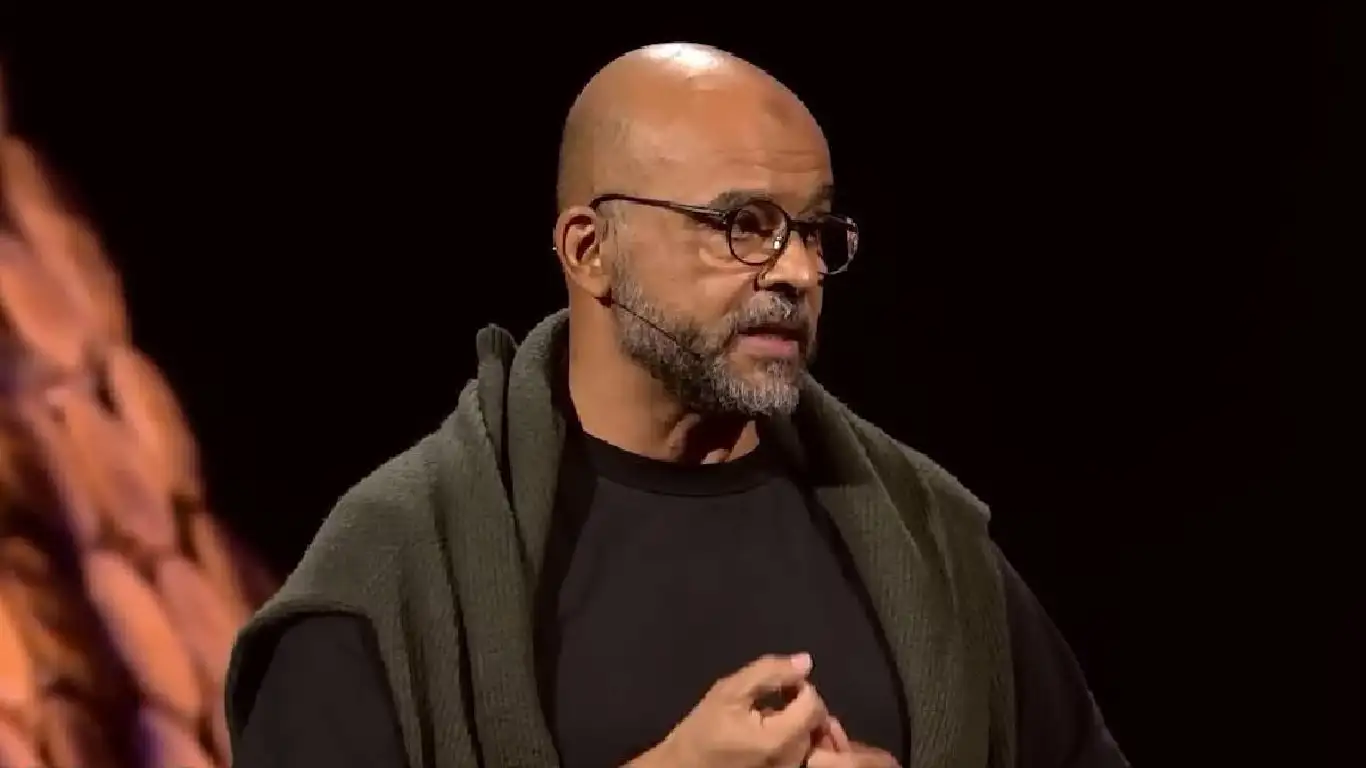
Artificial intelligence could change education and career preparation so much that traditional college may become unnecessary, according to former Google executive Mo Gawdat. Gawdat, who spent 12 years at Google and served as Chief Business Officer at Google X, shared this prediction during an appearance on the Silicon Valley Girl podcast.
Key Highlights
- Mo Gawdat predicts traditional college may disappear within 10 years due to AI advancements.
- AI could change how students learn, access information, and prepare for future careers.
- Gawdat urges adaptability, ethical use, and skepticism when using AI in education and work.
When asked if parents should keep saving for their children's college education, Gawdat responded directly. He stated, “Absolutely not. There's not going to be college at all in 10 years already. 100%.” He argued that AI will fundamentally transform education, jobs, and the way people access information.
AI's Impact on Learning and Work
Gawdat explained that AI is already acting as an extension of human memory and computing power. People can now access information, conduct research, and process large amounts of data much faster than before. He compared the rise of AI to the introduction of calculators. While students once had to perform complex calculations by hand, calculators allowed them to focus on other challenges. Gawdat believes AI will play a similar role, but on a much larger scale.
However, Gawdat cautioned against over-reliance on AI. He warned, “AI is going to make you dumb if you outsource your problem solving to AI.” He advised that people should let AI handle tasks that machines do best, such as processing vast information and searching quickly. Meanwhile, humans should continue to focus on reasoning, judgment, and decision-making.
Changing Role of Universities
Gawdat suggested that universities may need to change how they assess students. He has argued that traditional exams could be replaced by systems that allow students to use AI. Instead of measuring what someone can do without help, education could focus on what individuals achieve by combining their skills with AI tools.
He believes children should prepare for a future where AI is deeply integrated into both education and work. Gawdat outlined four key recommendations. First, people should become skilled at using AI and treat it as a helpful tool. Second, adaptability is crucial, as AI technology evolves rapidly and requires ongoing learning. Third, he emphasized the importance of ethics, urging people to push for responsible development and use of AI, especially as governments and businesses adopt more powerful systems. Fourth, he recommended skepticism, advising people not to trust information simply because it comes from an AI chatbot. Gawdat said he often compares answers from different AI models to identify missing information and alternative perspectives.
Potential Effects on the Labor Market
Gawdat's prediction also highlights the potential for AI to disrupt the labor market. If companies gain advantages by using AI, competitors may also need to adopt the technology to keep up. This could lead to widespread changes in how people prepare for and pursue careers.
Despite Gawdat’s bold prediction, the future of traditional colleges remains uncertain. Universities offer more than education, including research opportunities, professional credentials, and valuable networks. Whether colleges will disappear within the next decade is still unknown.
Ad
Ad
Confused? Choose Your Phone
What Matters Most


Get TheWeekly Brief
One email each morning: the launches,
the price changes and the reviews
worth reading.

Ad
Ad
 |
|
807, 808, 8th Floor,
IRIS Tech Tower Sohna Road Sector 48,
Gurugram, Haryana - 122018