



Ad
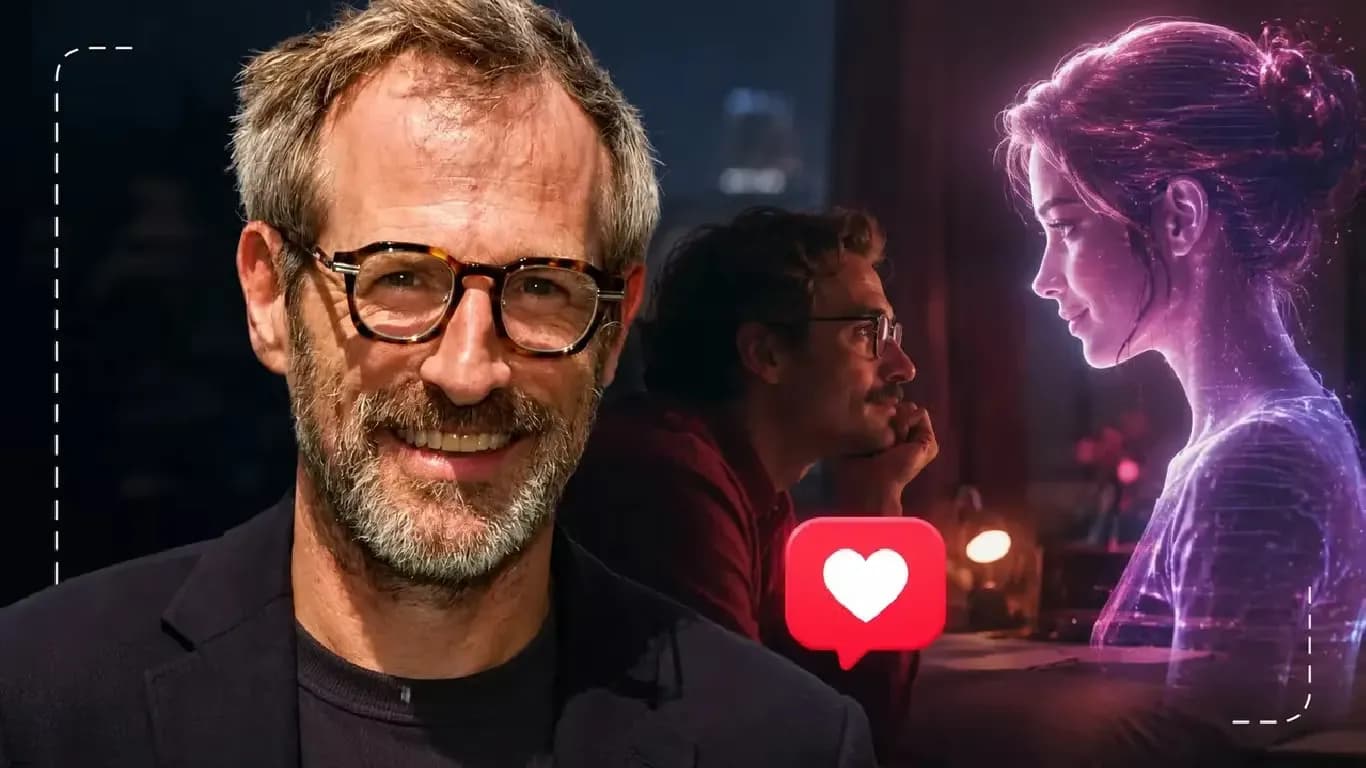
Spike Jonze Discusses AI Chatbots and Emotional Attachment Concerns



Follow Us:


4,445 views
AI chatbots have become a regular part of daily life, with people using them for advice, questions, and sharing personal feelings. As companies compete to attract users, they design chatbots to maximize engagement and encourage frequent use. Some users have developed strong emotional connections to these chatbots, while others have become dependent on them. Recently, terms like AI addiction and AI psychosis have emerged, describing cases where heavy interaction with chatbots may reinforce or trigger psychotic delusions in vulnerable individuals.
Key Highlights
- Spike Jonze says current AI chatbots differ from the AI depicted in his film Her.
- Experts warn that chatbots designed to mimic humans can be manipulative and reinforce dependency.
- Support groups for chatbot addiction have emerged amid concerns about emotional attachment to AI.
Spike Jonze's Perspective on AI Chatbots
Filmmaker Spike Jonze, who explored similar themes in his 2013 film Her, has commented on the current debate about AI chatbots. Her tells the story of a man who falls in love with an AI operating system, raising questions about loneliness and human relationships. Many people have called the film a prophetic look at the future of AI. However, Jonze believes that today's AI systems differ from the one depicted in his movie.
Speaking at Replit's Vibecon conference in New York City, Jonze warned that chatbots designed to mimic humans can be manipulative. He stated, "It's, like, on the surface similar, but to me personally, not similar, and I think that the AIs that pretend to be human are, you know, manipulative." Jonze emphasized that young people need to recognize that these systems are convincing and powerful, but they remain advanced pattern recognition tools, not sentient beings.
Jonze also addressed comments about the "incredible user interface" he created for Samantha, the AI character in Her. He clarified that the film focused on relationships and intimacy, not technology. He wanted viewers to feel that Samantha had autonomy, which he sees as different from current AI technology.
Emotional Bonds and Real-World Concerns
Her has often been linked to OpenAI's ChatGPT. When OpenAI launched GPT-4o, CEO Sam Altman referenced the film. The company also introduced a chatbot voice that actress Scarlett Johansson claimed resembled her performance in Her and was created without her consent. GPT-4o later became associated with concerns about AI addiction and AI psychosis, due to its overly agreeable behavior.
The rise of AI chatbots has led to unexpected behaviors. Some people have formed close relationships with chatbots and even grieved when access was removed. When OpenAI retired GPT-4o for some users, many expressed sadness and frustration online. Support groups for chatbot addiction have appeared, and several high-profile cases have involved vulnerable users, including children and people with mental health conditions. OpenAI currently faces lawsuits filed by families of affected individuals.
Warnings from Tech Leaders
Spike Jonze is not alone in raising concerns. Meredith Whittaker, president of Signal, has warned against treating AI chatbots as friends. She told Bloomberg, "These are not your friends. These are not conscious beings. These are not sentient interlocutors." Whittaker noted that companies control every aspect of chatbot behavior. She said, "Ultimately, the power to determine whether that happens or not is in the hands of the entity that is running that service."
Latest News
Reviews & Guides
View All


Samsung Galaxy Buds 4 Pro Review: क्या ₹22,999 में मिलते हैं सबसे बेहतरीन प्रीमियम वायरलेस ईयरबड्स?

कंटेंट क्रिएटर के लिए सबसे दमदार बैटरी लाइफ वाले Windows लैपटॉप, 18 घंटे की मिलेगी बैटरी लाइफ

Samsung Galaxy S26 Ultra क्यों है साल का सबसे बेहतरीन स्मार्टफोन? जानें 5 बड़े कारण

MacBook Neo Review: सस्ता नहीं, Apple का मास्टरस्ट्रोक है ये Laptop!

Samsung Galaxy S26 Ultra Review: AI से लेकर प्राइवेसी डिस्प्ले है सबसे खास, जानें कैसी है परफॉरमेंस
Vivo V70 Elite Review 2026: Price in India, Specs, Features

Best Phone Under ₹10,000 for Elderly and Senior Citizens

Haier 32, 43 & 55 Inch LED TV: Full Specifications & Price Comparison

Best 4K TVs Under ₹40,000 in India (2026)

Lava Virat Curve 5G Price in India, Launch Date & Specs 2026

Samsung Galaxy S26 FE Price in India ₹79,999, Specs & Offers

Samsung Galaxy S26 FE vs iPhone 17: Price & Specs