



Ad
Expert Reviews
Telegram Temporarily Banned in India Ahead of NEET Re-Exam Over Paper Leak Concerns



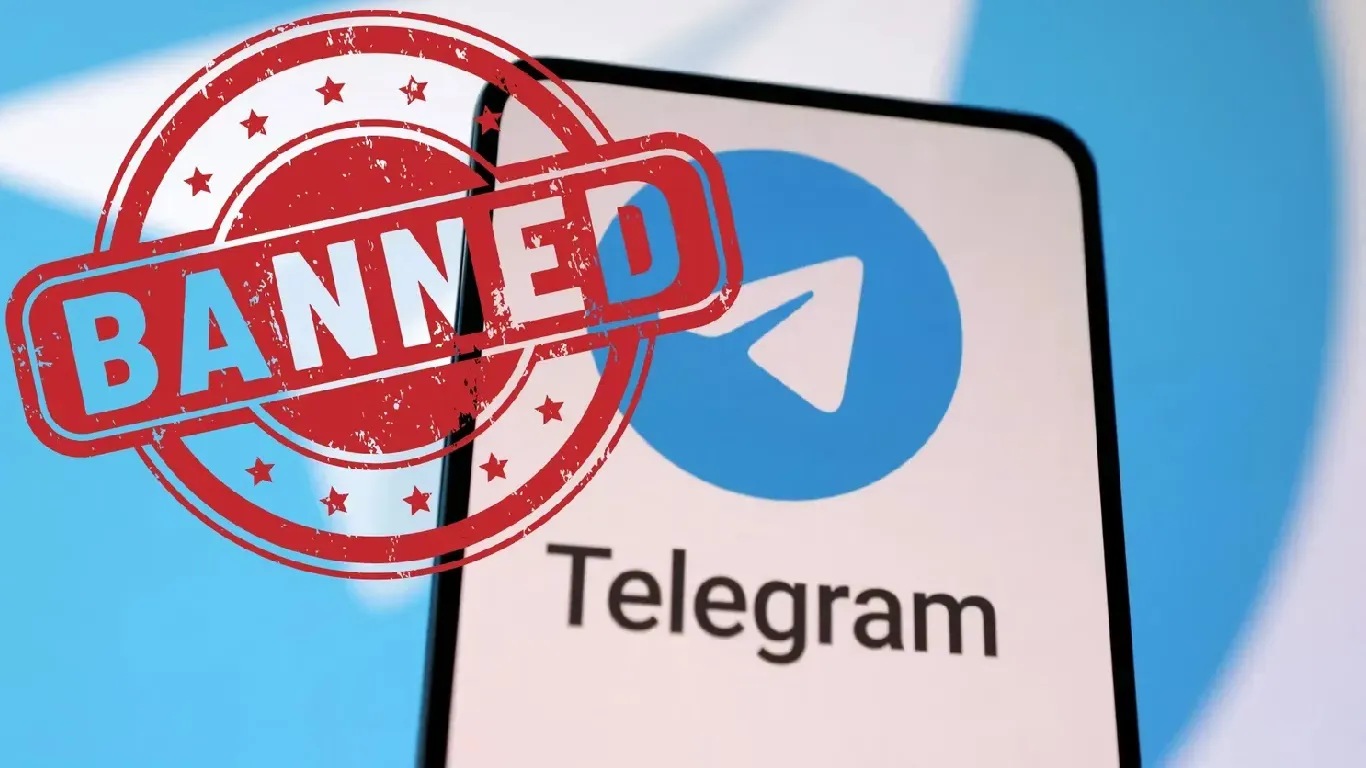
The Ministry of Electronics and Information Technology (MeitY) has imposed a nationwide ban on Telegram ahead of the NEET (UG) re-examination scheduled for June 21, 2026. The National Testing Agency (NTA) recommended the ban to prevent potential exam paper leaks and the spread of misinformation. According to the NTA, no NEET paper has been leaked outside the secure examination chain, and the exam's security remains intact. The ban is not permanent and will last until June 22, 2026, one day after the re-exam. Additionally, Telegram's message editing feature will remain disabled until June 30, 2026.
Key Highlights
- India banned Telegram nationwide before the NEET re-exam to prevent paper leaks and misinformation.
- The ban lasts until June 22, 2026, with message editing disabled until June 30, 2026.
- Telegram's technical design makes it difficult to block completely using standard ISP methods.
- Exam paper leakers can move to other apps, but Telegram's features make it a primary target.
- Digital rights groups warn this temporary ban could set a precedent for future platform-specific censorship.
Reasons for the Telegram Ban
The NTA described the ban as a last resort after previous attempts to remove fraudulent Telegram channels failed. Authorities observed groups with names like “PAPER LEAKED NEET” and “Private Mafia” soliciting large sums of money in exchange for alleged NEET question papers. The message editing feature on Telegram allows administrators to alter old posts and attach new PDFs while keeping the original timestamp. This capability enabled some users to post generic messages before the exam, then edit them after the exam to include actual question papers, and use screenshots to create the impression of an early leak.
Technical Challenges in Blocking Telegram
Blocking Telegram nationwide presents significant technical hurdles. Section 69A of the Information Technology Act, 2000, allows the government to block information that threatens national security. However, Telegram’s design makes it difficult to block completely. Internet Service Providers (ISPs) typically use Domain Name System (DNS) filtering to restrict access, but Telegram can bypass these measures using encrypted requests and proxy servers. Telegram’s MTProto protocol disguises its traffic, making it resemble normal web browsing. As a result, even advanced tools like Deep Packet Inspection (DPI) and Server Name Indication (SNI) filtering may not be effective. Cybersecurity researcher Nisarga Adhikary noted that Telegram’s architecture allows users to circumvent bans easily using proxies.
Potential Shift to Other Messaging Apps
Exam paper leakers can move to other platforms like Signal and WhatsApp, and some already have. Telegram founder Pavel Durov stated that the ban affects over 150 million ordinary users in India, while those responsible for leaks simply switch to other apps. Telegram stands out because it allows public groups of up to 200,000 users and offers extensive file-hosting capabilities. Its public search feature makes it easier for users to find fraudulent channels. In contrast, WhatsApp and Signal require direct invitations or phone numbers, limiting public access. Some experts argue that Telegram is often used for scams, financial fraud, and other illegal activities in India, making it a target for regulatory action.
Ban Duration and Future Implications
The Telegram ban is a temporary, targeted measure. Access will be restored after June 22, 2026, while the message editing restriction will continue until June 30. This extension aims to prevent manipulation of exam-related posts while the NTA processes answer keys and results. Digital rights groups have raised concerns that such platform-specific bans could set a precedent for future censorship. The Internet Freedom Foundation (IFF) has criticized the move as a short-term solution that may not prevent exam fraud and could lead to broader administrative censorship. The ban has also disrupted access for legitimate users, including students who rely on Telegram for study materials and group discussions.
Follow Us:



Ad
Recent News

Wipro Establishes AI Center Focused on Anthropic’s Claude Models in Bengaluru
17-Jun-2026 12:30 PM

Microsoft Unveils Surface Pro and Surface Laptop with Snapdragon X2 Chips
17-Jun-2026 11:30 AM

Snap Introduces Specs AR Glasses With Advanced Features and $2,195 Price Tag
17-Jun-2026 08:30 AM

Telegram Temporarily Banned in India Ahead of NEET Re-Exam Over Paper Leak Concerns
17-Jun-2026 08:30 AM

Apple Plans AirPods With Built-In Cameras and New Foldable iPhone for 2027
17-Jun-2026 07:30 AM

ChatGPT Market Share Drops Below 50% as AI Chatbot Competition Grows
17-Jun-2026 04:31 AM
Ad
Reviews & Guides
View All


कंटेंट क्रिएटर के लिए सबसे दमदार बैटरी लाइफ वाले Windows लैपटॉप, 18 घंटे की मिलेगी बैटरी लाइफ

Samsung Galaxy S26 Ultra क्यों है साल का सबसे बेहतरीन स्मार्टफोन? जानें 5 बड़े कारण

MacBook Neo Review: सस्ता नहीं, Apple का मास्टरस्ट्रोक है ये Laptop!

Samsung Galaxy S26 Ultra Review: AI से लेकर प्राइवेसी डिस्प्ले है सबसे खास, जानें कैसी है परफॉरमेंस

Vivo V70 Elite Review 2026: Price in India, Specs, Features

Asus Zenbook 14 UM3406G Review: All New Thin and Light Ai Laptop

5 Anti-Scam Tools on WhatsApp that protect you from Digital Fraud

How Samsung’s Galaxy S26 Series is Democratizing Mobile Filmmaking

30,000 से कम आने वाले बेस्ट स्मार्टफोन, 4K वीडियो शूट और फुल डे बैटरी लाइफ

Why switch to iPhone These Reasons Will Convince You Instantly

Haier Launches F11, India’s Only Ultra Fresh Air Technology Washing Machine with Full AI Color Touch Panel

Samsung Galaxy S26 Ultra Privacy Display Explained: How It Works
Ad






Latest Mobiles In India


Ad
Ad
 |
|
807, 808, 8th Floor,
IRIS Tech Tower Sohna Road Sector 48,
Gurugram, Haryana - 122018