



Ad
Amazon Discloses 2025 Data Centre Water Use, Outlines Efficiency Efforts



Follow Us:


6,978 views
Amazon has publicly revealed that its global data-centre operations used about 2.5 billion gallons, or over 9 billion litres, of water in 2025. This marks the first time the company has disclosed this figure. The announcement comes as data centre operators face increasing scrutiny over their environmental impact, especially regarding artificial intelligence.
Key Highlights
- Amazon used 2.5 billion gallons of water in global data centres in 2025.
- Water use at Amazon's directly operated sites fell 2 percent from 2024 levels.
- Amazon aims to become water positive by 2030 and has achieved 75 percent of the goal.
- Public opinion on data centres is mixed, with only 14 percent comfortable living near one.
- Global data centre water use could reach 9.3 trillion litres by 2030, according to UN estimates.
Amazon’s Water Consumption and Efficiency
Amazon stated that water use at its directly owned and operated sites fell by 2 percent from 2024 levels, despite an expansion in its data-centre footprint. The company shared these figures in a blog post, which included a comparison chart with other major technology firms. According to Amazon, its data centres used 0.12 litres of water per kilowatt-hour of electricity in 2025, which it claims is lower than Microsoft, Google, and Meta.
It is important to note that Amazon’s figures represent its entire operations. In contrast, Google’s numbers in the comparison chart focus only on water consumption at Gemini AI data centres. AI data centres typically consume more water due to the use of high-end GPUs. Amazon’s reported numbers do not include water used for constructing new data centres or water used by power plants supplying electricity to its facilities.
Amazon operates around 924 data centres globally. A leaked memo from 2022 projected that Amazon’s data centres could use 7.7 billion gallons of water annually by 2030, although the company has not addressed this report.
Public Opinion and Industry Context
Public sentiment towards data centres is increasingly negative. A Reuters poll ending June 8 found that one in three Americans approved of data-centre construction, but only 14 percent would be comfortable with one built near them. The United Nations University Institute for Water, Environment and Health estimates that the global water footprint of data centres could reach 9.3 trillion litres by 2030. This amount would be enough to meet the annual domestic water needs of all 1.3 billion residents of sub-Saharan Africa.
Amazon noted that Americans use about 3.3 trillion gallons of water annually on lawns and gardens, which is over 1,300 times the amount used by its data centres. The company aims to become water positive by 2030. This means it plans to return more water to communities than it uses in its direct data-centre operations. Amazon reports it has already achieved 75 percent of this goal.
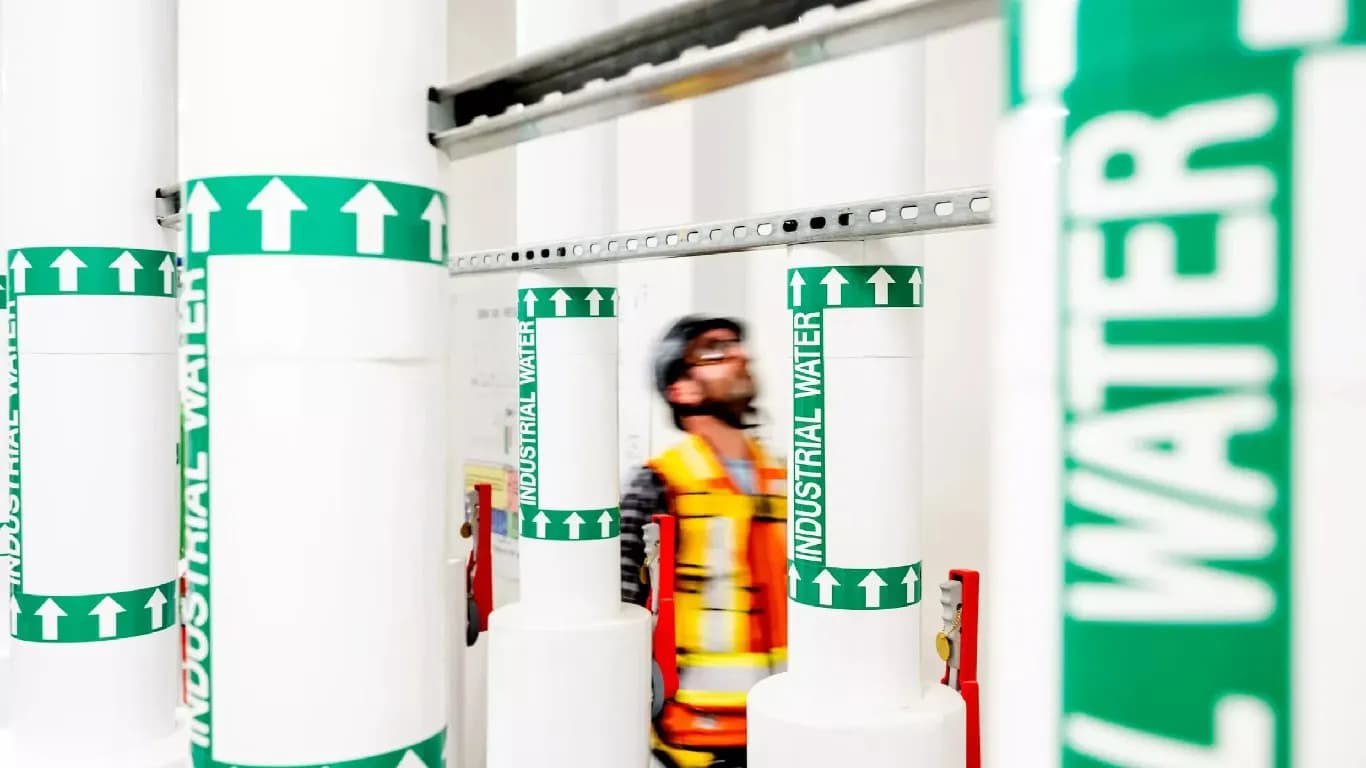
Some Amazon facilities use treated or reclaimed wastewater instead of drinking water. Currently, 26 sites use 100 percent reclaimed water, and 130 more have been contracted globally. Most of the water Amazon uses cools the servers that power its facilities. The company says its data centres rely on outside air for cooling about 90 percent of the time, using water-based evaporative cooling only during the hottest periods.
Growing Demands for Transparency
Amazon’s disclosure comes amid wider calls for transparency around data-centre water use. The city of The Dalles in Oregon recently agreed to release records on Google’s water consumption after a legal dispute. Utah has also passed the first US law requiring certain new data-centre projects to publicly disclose annual water usage.
Latest News



Reviews & Guides
View All


Samsung Galaxy Buds 4 Pro Review: क्या ₹22,999 में मिलते हैं सबसे बेहतरीन प्रीमियम वायरलेस ईयरबड्स?

कंटेंट क्रिएटर के लिए सबसे दमदार बैटरी लाइफ वाले Windows लैपटॉप, 18 घंटे की मिलेगी बैटरी लाइफ

Samsung Galaxy S26 Ultra क्यों है साल का सबसे बेहतरीन स्मार्टफोन? जानें 5 बड़े कारण

MacBook Neo Review: सस्ता नहीं, Apple का मास्टरस्ट्रोक है ये Laptop!

Samsung Galaxy S26 Ultra Review: AI से लेकर प्राइवेसी डिस्प्ले है सबसे खास, जानें कैसी है परफॉरमेंस

Vivo V70 Elite Review 2026: Price in India, Specs, Features

Best Phone Under ₹10,000 for Elderly and Senior Citizens

Haier 32, 43 & 55 Inch LED TV: Full Specifications & Price Comparison

Best 4K TVs Under ₹40,000 in India (2026)

Lava Virat Curve 5G Price in India, Launch Date & Specs 2026

Samsung Galaxy S26 FE Price in India ₹79,999, Specs & Offers

Samsung Galaxy S26 FE vs iPhone 17: Price & Specs