



Ad
Apple Delays Smart Glasses Launch to 2027, Plans Practical Features and Multiple Designs



Follow Us:


7,870 views
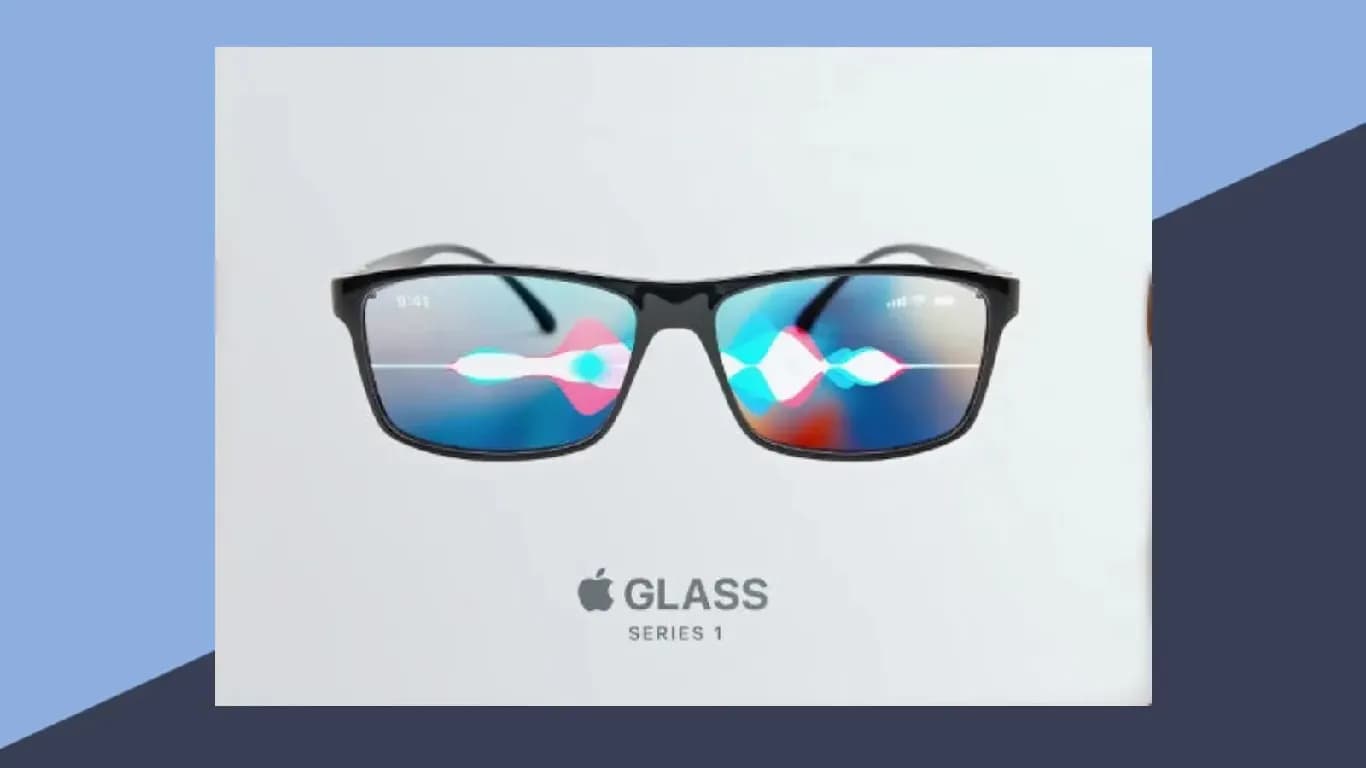
Apple has postponed the launch of its smart glasses to 2027, according to a report by Bloomberg's Mark Gurman. The company had initially aimed for a late 2026 unveiling, but development challenges have pushed the timeline back by about a year. Apple is positioning the glasses as a new hardware platform for Siri and Apple Intelligence, aiming to strengthen its presence in the eyewear market.
Key Highlights
- Apple delays smart glasses launch to 2027 due to development challenges.
- First-generation glasses will focus on practical features, not full augmented reality.
- Expected price range is $200 to $599, or Rs 17,000 to Rs 51,000 before taxes.
- Multiple frame styles and colors under consideration, including black and ocean blue.
- Apple aims to position the glasses as both a tech product and fashion accessory.
Launch Timeline and Market Position
The smart glasses are now expected to debut in 2027, competing with Meta's Ray-Ban smart glasses and upcoming products from Google. Apple plans a more ambitious launch strategy, focusing on integrating the glasses with its digital assistant and intelligence features. The expected price range is $200 to $599, or approximately Rs 17,000 to Rs 51,000 before taxes and import duties. Apple remains committed to releasing the product only when it meets the company's standards, even as it continues to develop a revamped Siri experience.
Features and Design Details
Unlike some earlier concepts, Apple's first-generation smart glasses will prioritize practical features over full augmented reality. The device is expected to include built-in cameras for photos and videos, microphones, and speakers. These components will support phone calls, music playback, and Siri interactions. Users may also receive notifications and access turn-by-turn walking directions through the glasses.
Apple views the glasses as an entry point to Apple Intelligence, with plans for the product to evolve over time. The company has tested several frame styles, including large rectangular frames similar to Ray-Ban Wayfarers, slimmer rectangular options, and both large and small oval-shaped designs. Color options under consideration include black, ocean blue, and light brown. The frames will use custom-designed plastic and feature distinctive oval camera modules.
Technology and User Experience
The first-generation glasses will not include an in-lens augmented reality display. That technology is still several years away, according to Gurman. Instead, Apple is focusing on creating a wearable product that balances comfort, practicality, and daily usability. The absence of an AR display means the glasses will rely on cameras, audio, voice controls, and integration with the iPhone for most functions.
This approach may not deliver the visual impact of augmented reality, but it could result in a lighter and more comfortable device. Apple aims to make the glasses appealing for everyday wear, avoiding complex features that could increase cost and weight.
Future Strategy and Market Approach
Apple plans to target the mainstream market and may eventually offer multiple versions of the smart glasses, similar to its approach with the iPhone, Apple Watch, and AirPods. The company is positioning the glasses as both a technology product and a fashion accessory. Apple wants users to incorporate the glasses into their daily lives and replace them as part of their regular eyewear cycle. This strategy mirrors the company's approach with the Apple Watch, focusing on both function and style.
Latest News
Reviews & Guides
View All


Samsung Galaxy Buds 4 Pro Review: क्या ₹22,999 में मिलते हैं सबसे बेहतरीन प्रीमियम वायरलेस ईयरबड्स?

कंटेंट क्रिएटर के लिए सबसे दमदार बैटरी लाइफ वाले Windows लैपटॉप, 18 घंटे की मिलेगी बैटरी लाइफ

Samsung Galaxy S26 Ultra क्यों है साल का सबसे बेहतरीन स्मार्टफोन? जानें 5 बड़े कारण

MacBook Neo Review: सस्ता नहीं, Apple का मास्टरस्ट्रोक है ये Laptop!

Samsung Galaxy S26 Ultra Review: AI से लेकर प्राइवेसी डिस्प्ले है सबसे खास, जानें कैसी है परफॉरमेंस
Vivo V70 Elite Review 2026: Price in India, Specs, Features

Best Phone Under ₹10,000 for Elderly and Senior Citizens

Haier 32, 43 & 55 Inch LED TV: Full Specifications & Price Comparison

Best 4K TVs Under ₹40,000 in India (2026)

Lava Virat Curve 5G Price in India, Launch Date & Specs 2026

Samsung Galaxy S26 FE Price in India ₹79,999, Specs & Offers

Samsung Galaxy S26 FE vs iPhone 17: Price & Specs