



Ad
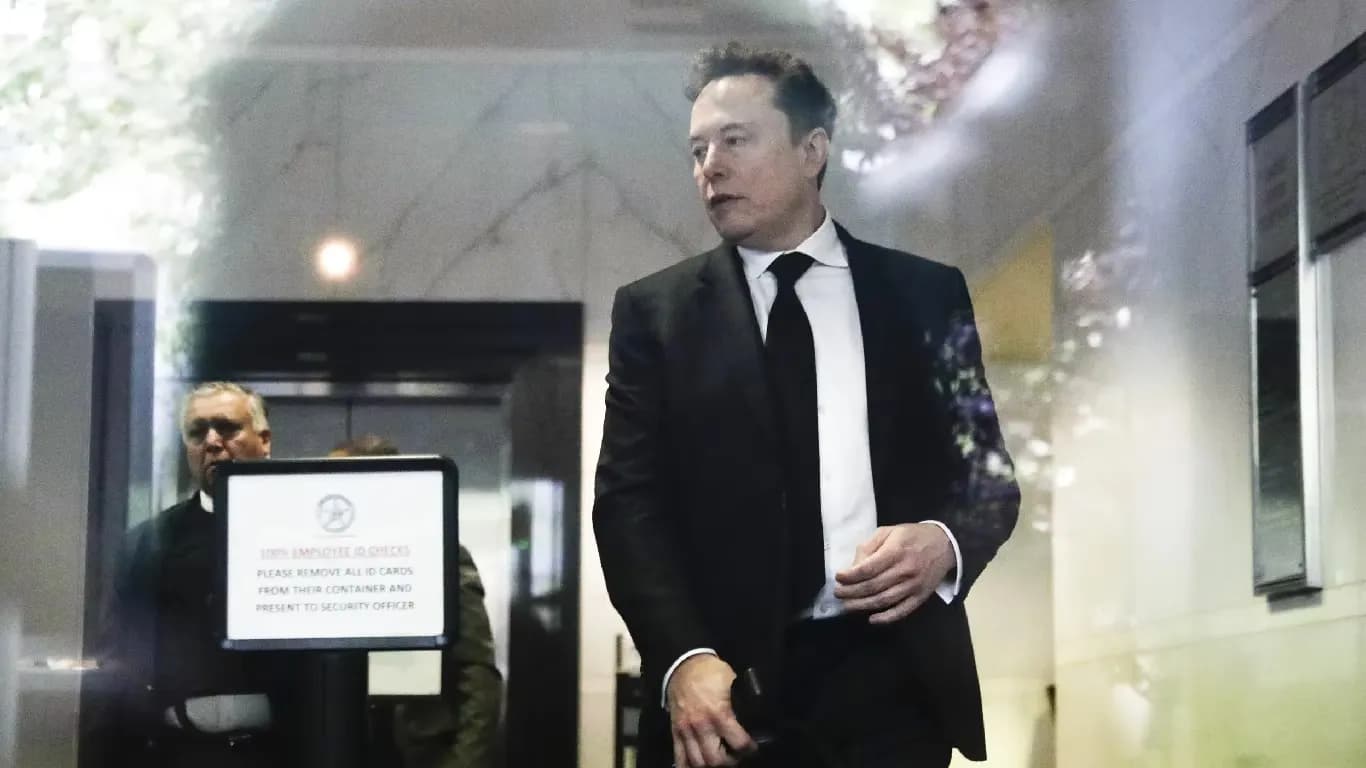
Elon Musk Confirms xAI Used OpenAI Models in Ongoing Legal Dispute



Follow Us:


1,038 views
Elon Musk has admitted that his artificial intelligence company, xAI, used models developed by OpenAI to enhance its own systems. This statement came during a federal court hearing amid the ongoing legal battle between Musk and OpenAI. The practice, known as model distillation, is common in the AI industry but remains controversial, especially when used between competing companies.
Key Highlights
- Elon Musk confirmed xAI used OpenAI models to improve its own AI systems.
- Model distillation is common but controversial when used across competing companies.
- Industry leaders warn distillation can replicate capabilities without equal investment.
- Legal dispute centers on OpenAI's shift from non-profit to profit-driven operations.
Details of Model Distillation
Model distillation involves using a larger or more advanced AI model to train a smaller one. This process transfers knowledge and improves the performance of the smaller model. While many organizations use this technique internally to optimize their AI systems, its use across different companies has sparked debate over intellectual property and fair use.
During the court proceedings, Musk explained that distillation means using one AI model to train another. When asked if xAI had specifically used OpenAI’s models in this way, Musk initially avoided a direct answer. However, he later acknowledged that xAI had engaged in such practices, stating that it is common for companies to rely on other AI systems to validate and improve their own models' accuracy.
Industry Reactions and Legal Context
Major AI companies like Anthropic and Google have previously expressed concerns about model distillation. They warn that it can allow organizations to replicate advanced capabilities without making similar investments in research and development. This raises questions about intellectual property rights and the fairness of using competitors' work to advance one's own technology.
Despite these concerns, model distillation remains a widely used method in the AI sector. It helps companies improve efficiency and reduce costs. Musk’s confirmation that xAI used OpenAI’s models may intensify the debate over the ethical and legal implications of this practice.
The legal dispute between Musk and OpenAI centers on allegations that OpenAI shifted from its original non-profit mission to a profit-driven approach. Musk claims that OpenAI, led by CEO Sam Altman and President Greg Brockman, abandoned its goal to develop AI for the benefit of humanity. He points to OpenAI’s multi-billion dollar partnership with Microsoft as evidence of this change in direction.
Implications for the AI Industry
The admission by Musk is likely to fuel further discussion about how AI companies develop and refine their models. As the case continues, industry observers will watch closely to see how courts address the balance between innovation, fair competition, and intellectual property rights in artificial intelligence.
Latest News




Reviews & Guides
View All


Samsung Galaxy Buds 4 Pro Review: क्या ₹22,999 में मिलते हैं सबसे बेहतरीन प्रीमियम वायरलेस ईयरबड्स?

कंटेंट क्रिएटर के लिए सबसे दमदार बैटरी लाइफ वाले Windows लैपटॉप, 18 घंटे की मिलेगी बैटरी लाइफ

Samsung Galaxy S26 Ultra क्यों है साल का सबसे बेहतरीन स्मार्टफोन? जानें 5 बड़े कारण

MacBook Neo Review: सस्ता नहीं, Apple का मास्टरस्ट्रोक है ये Laptop!

Samsung Galaxy S26 Ultra Review: AI से लेकर प्राइवेसी डिस्प्ले है सबसे खास, जानें कैसी है परफॉरमेंस

Vivo V70 Elite Review 2026: Price in India, Specs, Features

Best 4K TVs Under ₹40,000 in India (2026)

Lava Virat Curve 5G Price in India, Launch Date & Specs 2026

Samsung Galaxy S26 FE Price in India ₹79,999, Specs & Offers

Samsung Galaxy S26 FE vs iPhone 17: Price & Specs

Best Haier TV in India 2026: Top Models, Prices & Specs

Best Haier LED TV Under Rs 30,000 in India