



Ad
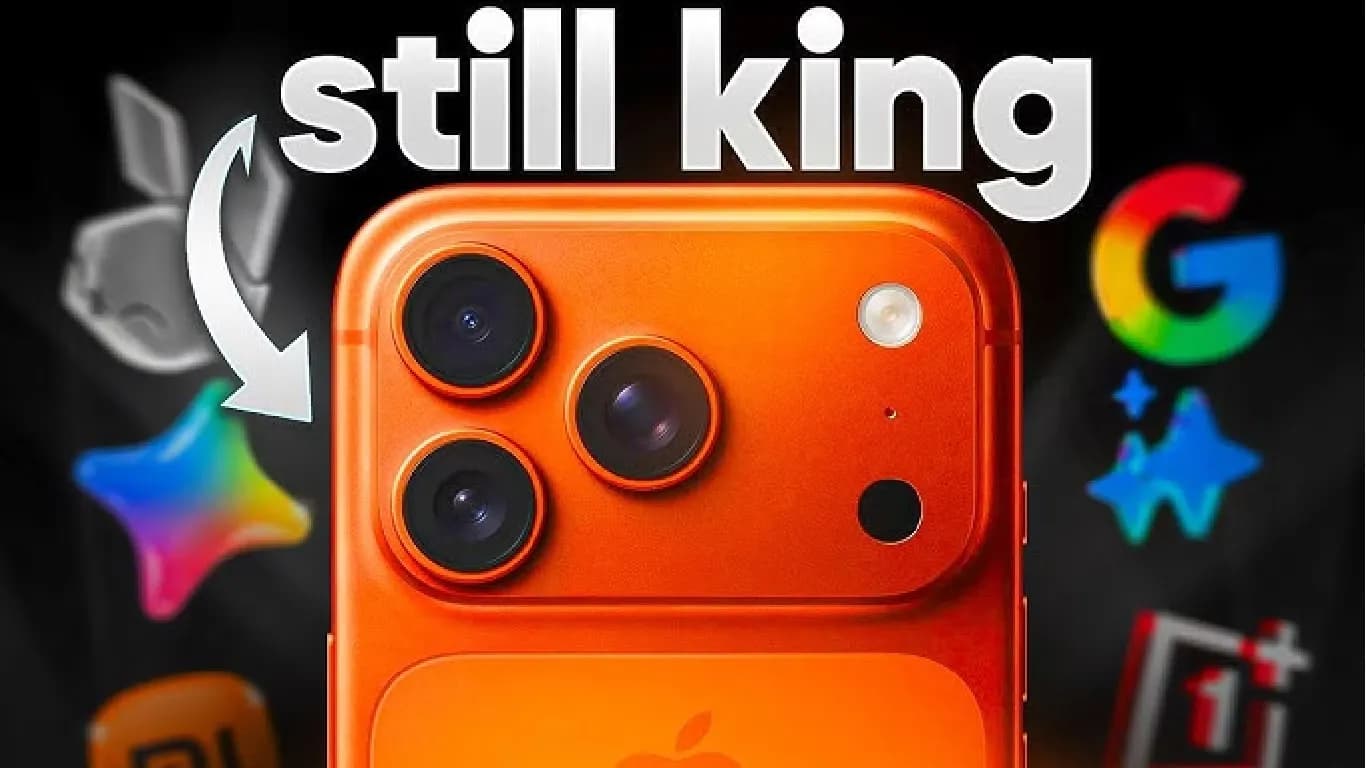
Why Smartphones Remain Unmatched Despite Efforts to Replace Them



Follow Us:


1,311 views
Smartphones have become the most successful gadget in human history, with nearly 1.5 billion units sold every year. On Thursday, Apple reported a 22 percent year-on-year increase in iPhone revenue, underscoring the device's continued dominance nearly two decades after its 2007 launch. The global smartphone market is projected to reach over $600 billion by 2026, far surpassing the historical peak earnings of other electronics like feature phones, laptops, and gaming consoles.
Key Highlights
- Apple iPhone revenue grew 22 percent year-on-year according to latest earnings report.
- Global smartphone sales approach 1.5 billion units annually with market size projected at $642 billion by 2026.
- Tech leaders are developing AI-first devices but none match the smartphone's versatility and usability.
- Smartphones combine multiple functions including communication, productivity, navigation, and entertainment.
- Current technology limits the development of a true smartphone replacement despite ongoing innovation.
Smartphone Market and Growth
Apple's recent earnings highlight the enduring strength of the iPhone. Despite being almost 20 years old, the iPhone continues to see significant growth. In 2026, smartphones are expected to generate $642 billion in global revenue. This figure is two to three times higher than the best years for other top gadgets in history. The smartphone's market size and central role in daily life have prompted many tech leaders to seek alternatives.
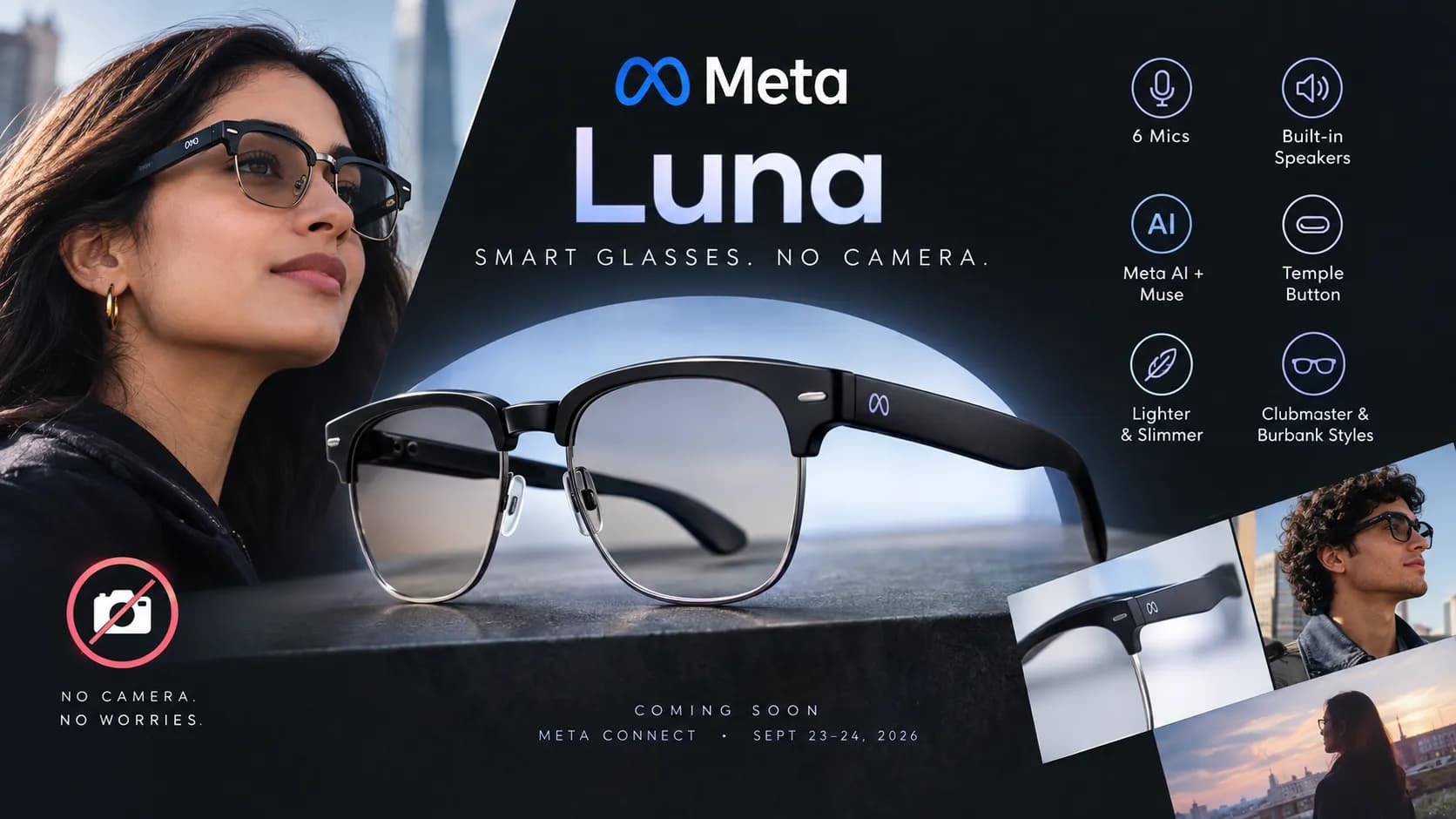
Industry figures such as Sam Altman and Mark Zuckerberg are developing new devices aimed at replacing smartphones. Meta has introduced AI Glasses, but their impact on smartphone usage remains limited. OpenAI, led by Altman, is working on AI-first devices, including a pebble-shaped gadget without a screen, controlled by voice. Other efforts include advanced smartwatches and Apple's move into virtual reality headsets with the Vision Pro. However, none have matched the smartphone's functionality or usability.
Why Smartphones Remain Essential
Smartphones combine multiple devices into one compact form. Users can make calls, send messages, browse the internet, scan documents, send emails, record meetings, and take high-quality photos. They also serve as navigation tools, video conferencing devices, alarm clocks, digital diaries, fitness trackers, gaming consoles, and portable TVs. All of these features are available in a device measuring 6 to 8 inches and light enough to carry all day.
The smartphone's form factor adds to its appeal. It is always accessible but not intrusive. Users can interact with it through typing or voice commands. The touchscreen allows for intuitive content manipulation, surpassing the capabilities of laptops and other gadgets. While other devices excel at specific tasks, smartphones are generalists, performing well across a wide range of functions.
Attempts to replace smartphones face significant challenges. Smartwatches and smart glasses are limited by size, power, and input methods. Devices like the Apple Vision Pro require users to wear them on their faces, which can be uncomfortable and isolating. The technology needed to create a truly versatile and powerful alternative, such as a screenless AI-powered "pebble," does not yet exist. Advances in chip performance, battery efficiency, and wireless connectivity are necessary before such a device becomes feasible.
Future Outlook
Despite ongoing efforts, no device currently matches the smartphone's combination of functionality, usability, and convenience. Major technological breakthroughs are likely required before a true replacement emerges. Until then, smartphones will remain the central device in most people's lives.
Latest News
Reviews & Guides
View All


Samsung Galaxy Buds 4 Pro Review: क्या ₹22,999 में मिलते हैं सबसे बेहतरीन प्रीमियम वायरलेस ईयरबड्स?

कंटेंट क्रिएटर के लिए सबसे दमदार बैटरी लाइफ वाले Windows लैपटॉप, 18 घंटे की मिलेगी बैटरी लाइफ

Samsung Galaxy S26 Ultra क्यों है साल का सबसे बेहतरीन स्मार्टफोन? जानें 5 बड़े कारण

MacBook Neo Review: सस्ता नहीं, Apple का मास्टरस्ट्रोक है ये Laptop!

Samsung Galaxy S26 Ultra Review: AI से लेकर प्राइवेसी डिस्प्ले है सबसे खास, जानें कैसी है परफॉरमेंस
Vivo V70 Elite Review 2026: Price in India, Specs, Features

Best 4K TVs Under ₹40,000 in India (2026)

Lava Virat Curve 5G Price in India, Launch Date & Specs 2026

Samsung Galaxy S26 FE Price in India ₹79,999, Specs & Offers

Samsung Galaxy S26 FE vs iPhone 17: Price & Specs

Best Haier TV in India 2026: Top Models, Prices & Specs

Best Haier LED TV Under Rs 30,000 in India