



Ad
Expert Reviews
AI-Generated Short Films Spark Debate in Global and Indian Filmmaking



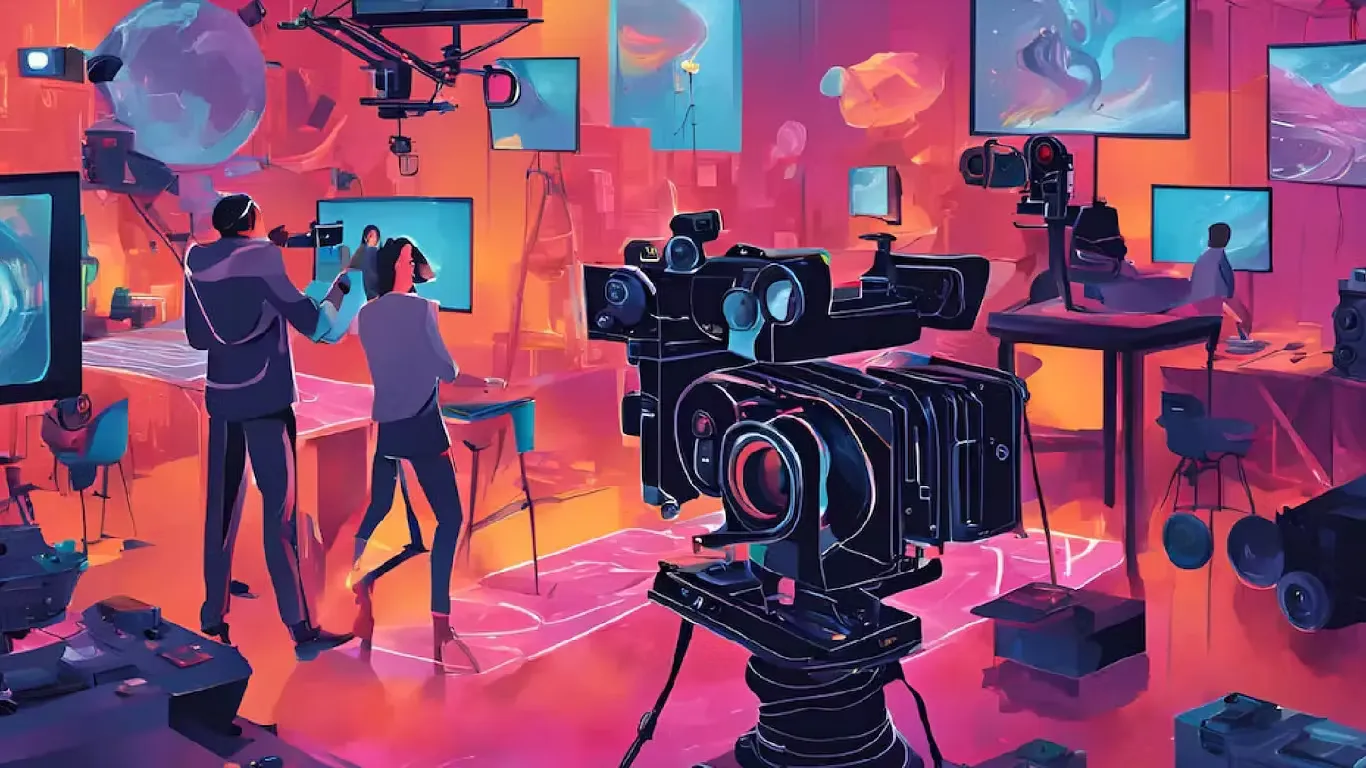
AI-generated short films are gaining attention worldwide, raising questions about the future of filmmaking. The Patchwright, a 21-minute film, opens with a striking image of a white lion with metal implants. This lion, created entirely with AI, exists in a world where all beings are augmented with gadgets. The film’s visuals are polished and detailed, drawing comparisons to Hollywood productions. The Patchwright has reached 10 million views on YouTube, going viral alongside three other AI-made short films this week.
Key Highlights
- AI-generated short films like The Patchwright have reached millions of views on YouTube.
- AI tools such as Seedance 2.0 and Veo 3.1 are making filmmaking accessible to amateurs.
- Industry leaders in India and globally are divided on AI’s impact on storytelling and creativity.
- Some filmmakers argue AI cannot replace the human element in movies.
- Debate continues as AI adoption in filmmaking grows worldwide.
Each film showcases different styles. The Patchwright uses photo-realistic visuals. Zombie Scavenger features a robot in a world of mannequins. Push The Button presents Pixar-like pigeons, while Sinicitum resembles the animation style of Love Death + Robots. Despite their differences, all four films share two things: they are made with AI, and their creators are mostly amateurs or hobbyists. Zack London, who leads the AI film company Gossip Goblin, is among the most recognized names. The creator of Zombie Scavenger remains anonymous, using only an alias and based in China.
AI Tools Transform Filmmaking
These films demonstrate the growing power of AI tools like Seedance 2.0, Veo 3.1, and Midjourney. These tools now allow almost anyone to direct a film from their own home. The impact of AI on filmmaking is significant and growing. AI is already used in global productions and in India. For example, the Mahabharata series on JioHotstar was created with AI. Vijay Subramaniam, CEO and founder of Collective Artists Network, leads this project. He predicts AI adoption will increase, similar to the rise of digital cameras, CGI, and virtual production.
Dipankar Mukherjee, co-founder and CEO of Studio Blo, shares this view. His company partnered with filmmaker Shekhar Kapur to create Warlord, billed as India’s first AI-driven sci-fi series. Mukherjee says AI is now a mainstream tool, supplementing traditional shoots for many filmmakers and studios.
Industry Divided on AI’s Role
However, not everyone in the industry supports AI’s growing role. Some filmmakers express concerns about its impact on storytelling and authenticity. At the Cannes Film Festival, Oscar-winning director Guillermo del Toro voiced strong opposition to AI in filmmaking. In India, Bollywood director Amit Rai argues that AI cannot replace the human element in films. He believes audiences connect with movies because of the human presence, whether through acting or voice.
Rai explains that special effects are accepted because viewers know a real person is behind them. He uses Jackie Chan’s stunts as an example, saying audiences appreciate the human effort, not just the spectacle. Early adopters of AI, however, argue that these tools can still evoke emotion and creativity. Dipankar Mukherjee states that intent and taste remain with the creator, and that AI films can be evocative in skilled hands.
Industry professionals note that using AI tools requires experience and storytelling skills. Arpan Gaglani, founder of philmCGI, says his company uses AI to support storytelling, not replace it. He emphasizes that filmmaking is a craft developed over years, and that technology alone does not make someone a director.
Ongoing Debate in Filmmaking
The film industry is navigating the challenges and opportunities brought by AI. Some believe AI will fundamentally change filmmaking, while others stress the need for human insight and creativity. The debate continues as more creators experiment with AI and traditional filmmakers weigh its impact.
Follow Us:



Ad
Recent News

iPhone 18 Pro: Expected Design, Camera, Chip, and Battery Upgrades Detailed
16-May-2026 09:00 AM

Elon Musk Criticizes Instagram and Promotes X in Viral Social Media Comments
16-May-2026 07:00 AM

Samsung Galaxy M47 Prototype Appears on Geekbench with Snapdragon 6 Gen 3
16-May-2026 07:00 AM

Tecno Pova 8 Pro Certified with 6,500mAh Battery and 12GB RAM Option
16-May-2026 05:00 AM

AI-Generated Short Films Spark Debate in Global and Indian Filmmaking
16-May-2026 03:00 AM

Oppo Find X9s Rumored to Launch in India at INR 79,999
16-May-2026 03:00 AM
Ad
Reviews & Guides
View All


MacBook Neo Review: सस्ता नहीं, Apple का मास्टरस्ट्रोक है ये Laptop!
Samsung Galaxy S26 Ultra Review: AI से लेकर प्राइवेसी डिस्प्ले है सबसे खास, जानें कैसी है परफॉरमेंस
Vivo V70 Elite Review 2026: Price in India, Specs, Features
Asus Zenbook 14 UM3406G Review: All New Thin and Light Ai Laptop
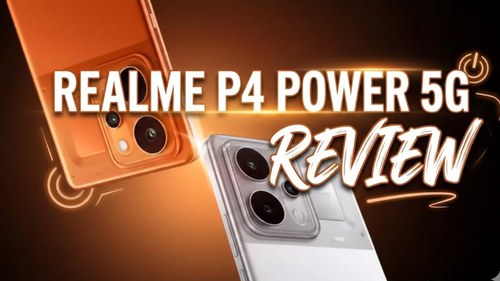
Realme P4 Power 5G First Impressions: Massive Battery and Power
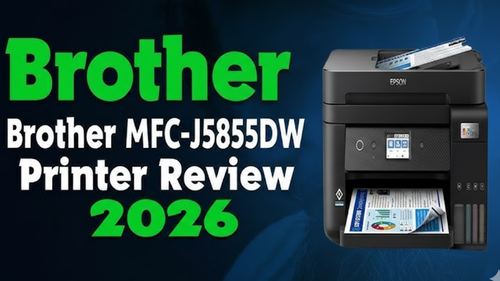
Brother MFC-J5855DW Printer Review 2026: Features, Specs, Performance

Why switch to iPhone These Reasons Will Convince You Instantly

Haier Launches F11, India’s Only Ultra Fresh Air Technology Washing Machine with Full AI Color Touch Panel

Samsung Galaxy S26 Ultra Privacy Display Explained: How It Works
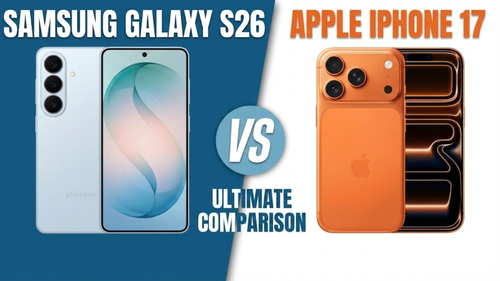
Apple iPhone 17 vs Samsung Galaxy S26: Price in India, Specifications

Should You Buy a Smart AC in India 2026? Pros, Cons, and Top Models

Window AC or Split AC: What Should You Choose in 2026?
Ad






Latest Mobiles In India


Ad
Ad
 |
|
807, 808, 8th Floor,
IRIS Tech Tower Sohna Road Sector 48,
Gurugram, Haryana - 122018