



Ad
Expert Reviews
GLM-5.2: Chinese AI Model Challenges US Rivals in Coding and Reasoning




GLM-5.2, a new open-weight AI model from Chinese startup Z.ai, is making headlines in Silicon Valley. Unveiled earlier this month, the model has quickly gained attention from developers, investors, and technology executives. Many are focusing on its strong coding abilities and its potential to compete with leading models from OpenAI, Anthropic, and Google.
Key Highlights
- GLM-5.2 is an open-weight AI model from Chinese startup Z.ai.
- The model features a 1 million-token context window and 744 billion total parameters.
- GLM-5.2 ranked second on the Code Arena Frontend leaderboard behind Anthropic's Claude Fable 5.
- Developers and industry leaders have praised GLM-5.2's coding and reasoning abilities.
- GLM-5.2's release highlights China's rapid progress in AI development.
GLM-5.2 Features and Capabilities
Z.ai designed GLM-5.2 specifically for coding and agentic workflows. The model supports a 1 million-token context window, enabling it to process large codebases and lengthy documents in a single session. Z.ai released GLM-5.2 under an open-weight license, allowing developers to download, customize, and run the model on their own infrastructure. This approach removes the need to rely solely on cloud providers.
GLM-5.2 uses a Mixture-of-Experts architecture, featuring 744 billion total parameters and 40 billion active parameters. Z.ai claims that GLM-5.2 offers significant improvements over its predecessor, GLM-5.1, in coding, reasoning, tool usage, and software engineering tasks. Benchmark charts from Z.ai suggest the model competes closely with top AI systems from OpenAI, Anthropic, and Google.
Industry Response and Benchmarks
Developers have tested GLM-5.2 extensively and shared their experiences online. Many praise its ability to handle complex programming tasks. Guillermo Rauch, CEO of Vercel, expressed his surprise at the model's coding performance, stating on X that he was "genuinely impressed" by GLM-5.2.
Benchmark results from Arena AI placed GLM-5.2 second on the Code Arena Frontend leaderboard. It ranked behind Anthropic's Claude Fable 5 and ahead of Claude Opus 4.7 Thinking. These results indicate that GLM-5.2 is already competing with some of the most advanced coding-focused AI models available.
China's Growing Role in AI
The release of GLM-5.2 comes as the AI competition between the US and China intensifies. DeepSeek's R1 model previously showed that Chinese companies can build advanced reasoning models at lower costs. GLM-5.2 adds to the evidence that China is closing the gap in coding-focused AI systems.
The conversation around GLM-5.2 has expanded into broader debates about the future of frontier AI. Last week, Anthropic restricted access to its most advanced Fable and Mythos models for foreign users, citing concerns about potential misuse by China-linked groups. However, Z.ai founder Jie Tang suggested that such restrictions may soon be irrelevant. In a discussion on X, Tang responded to speculation about when China could match Anthropic's Mythos-class models, stating, "Won't take that long." This exchange has led to speculation that China could have a Mythos-class AI model within months.
Whether GLM-5.2 will be that breakthrough model remains uncertain. However, it is already influencing discussions in Silicon Valley, which has long been dominated by US-developed AI models.
Follow Us:



Ad
Recent News

GLM-5.2: Chinese AI Model Challenges US Rivals in Coding and Reasoning
22-Jun-2026 03:30 PM

Oppo Reno 16 Series Set for India Launch With New Camera Accessory and Enco Air 5
22-Jun-2026 02:30 PM

Elon Musk Predicts AI Will Surpass Human Intelligence by 2028
22-Jun-2026 12:30 PM

Spike Jonze Discusses AI Chatbots and Emotional Attachment Concerns
22-Jun-2026 10:30 AM

Oppo Find N7 Foldable Rumored to Feature Crease-Free Display and New Camera Design
22-Jun-2026 10:30 AM

OpenAI Researcher Returns to India Amid Global AI Talent War
22-Jun-2026 09:30 AM
Ad
Reviews & Guides
View All


कंटेंट क्रिएटर के लिए सबसे दमदार बैटरी लाइफ वाले Windows लैपटॉप, 18 घंटे की मिलेगी बैटरी लाइफ

Samsung Galaxy S26 Ultra क्यों है साल का सबसे बेहतरीन स्मार्टफोन? जानें 5 बड़े कारण

MacBook Neo Review: सस्ता नहीं, Apple का मास्टरस्ट्रोक है ये Laptop!

Samsung Galaxy S26 Ultra Review: AI से लेकर प्राइवेसी डिस्प्ले है सबसे खास, जानें कैसी है परफॉरमेंस
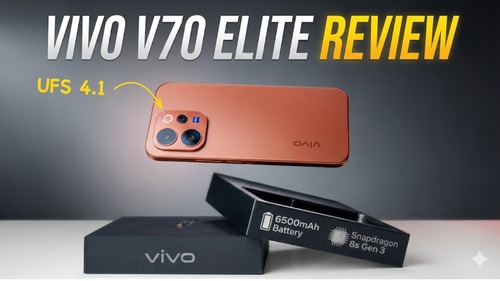
Vivo V70 Elite Review 2026: Price in India, Specs, Features
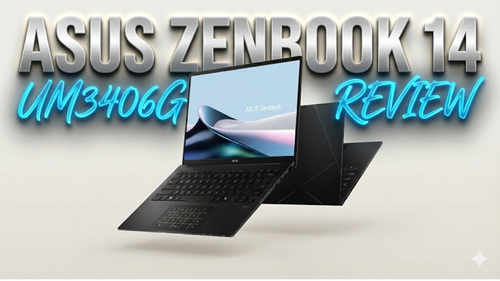
Asus Zenbook 14 UM3406G Review: All New Thin and Light Ai Laptop

5 Anti-Scam Tools on WhatsApp that protect you from Digital Fraud

How Samsung’s Galaxy S26 Series is Democratizing Mobile Filmmaking

30,000 से कम आने वाले बेस्ट स्मार्टफोन, 4K वीडियो शूट और फुल डे बैटरी लाइफ

Why switch to iPhone These Reasons Will Convince You Instantly

Haier Launches F11, India’s Only Ultra Fresh Air Technology Washing Machine with Full AI Color Touch Panel
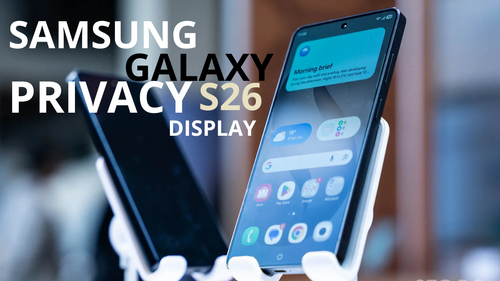
Samsung Galaxy S26 Ultra Privacy Display Explained: How It Works
Ad






Latest Mobiles In India


Ad
Ad
 |
|
807, 808, 8th Floor,
IRIS Tech Tower Sohna Road Sector 48,
Gurugram, Haryana - 122018