



Ad
Expert Reviews
Google DeepMind CEO Questions AI-Driven Layoffs Amid Tech Industry Job Cuts



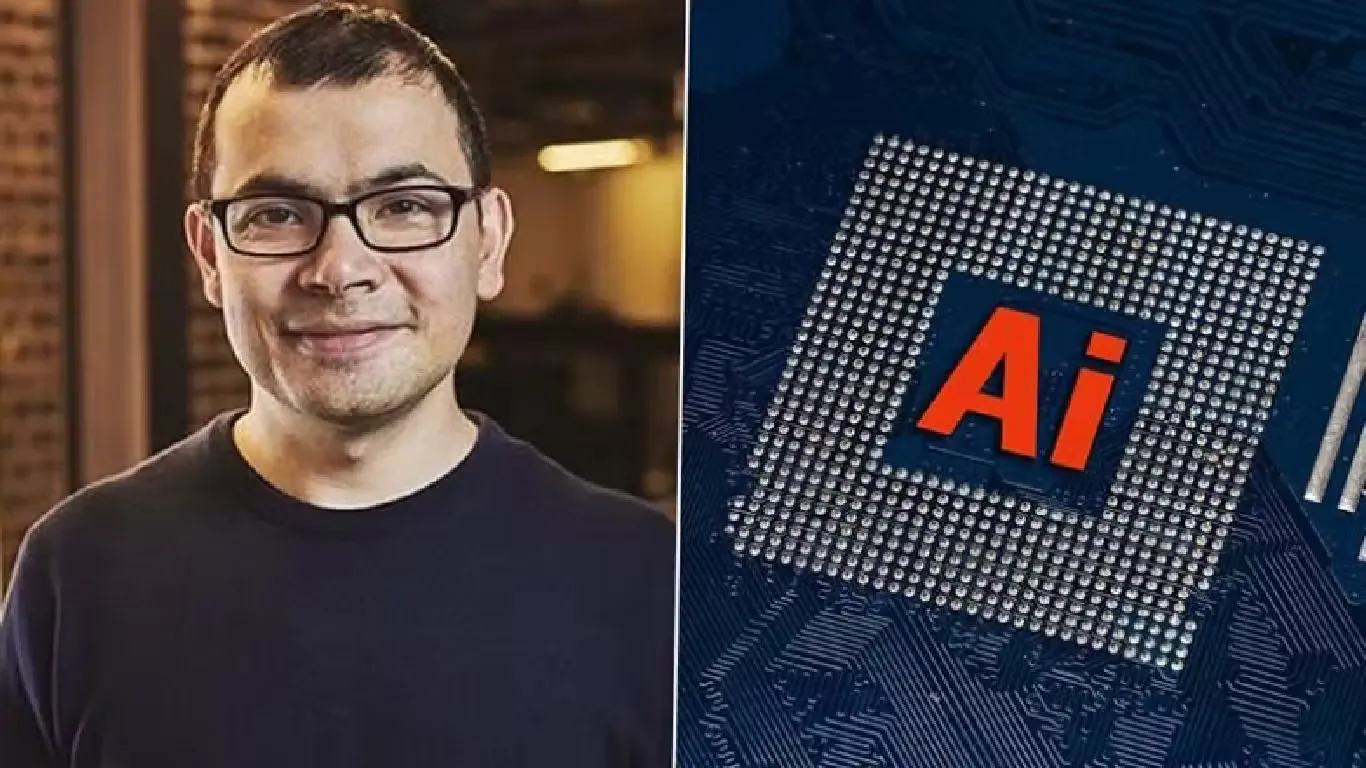
AI continues to reshape the global workforce, with significant effects on the technology sector. Meta recently announced thousands of job cuts as it shifts focus to artificial intelligence. However, Google DeepMind CEO Demis Hassabis has challenged the trend of AI-related layoffs, suggesting these decisions may reflect a lack of vision.
Key Highlights
- Meta, Amazon, Oracle, and Cisco have announced thousands of layoffs citing AI advancements.
- Google DeepMind CEO Demis Hassabis argues AI should boost productivity, not reduce workforce.
- Hassabis suggests companies may use AI as an excuse for layoffs to serve other interests.
- AI leaders warn entry-level and white-collar jobs may be most affected by automation.
Industry Layoffs and AI's Role
In recent months, major technology firms such as Amazon, Oracle, and Cisco have also announced large-scale layoffs. Many companies cite advances in AI as a reason for reducing staff. During Google’s I/O event on Tuesday, Hassabis introduced a new AI model capable of handling complex coding tasks. Despite this, he dismissed the idea that AI will inevitably reduce the need for human coders. Hassabis told Wired, “I have no idea why people are going around talking with certainty about that.”
Hassabis suggested that some companies may use AI as a justification for layoffs. He said, “Perhaps there is an ulterior motive for putting those messages out; raising money or whatever.” OpenAI CEO Sam Altman has previously referred to this trend as “AI washing,” where firms blame AI for job cuts to serve other interests.
Productivity Versus Cost Cutting
Hassabis emphasized that Google and DeepMind focus on increasing productivity rather than reducing headcount to save costs. He explained, “If engineers are becoming three or four times more productive, then we just [want to] do three or four times more stuff.” As AI improves coding efficiency, Hassabis plans to assign engineers to new projects, such as drug discovery and game design. “I have a million ideas, from lab drug discovery to game design. I'd love to have some free engineers to go and do those kinds of things,” he said.
Hassabis argued that replacing developers with AI shows a lack of long-term vision. “I think it's a lack of imagination—and a lack of understanding of what's really going to happen,” he stated. He believes that AI should enable companies to expand their ambitions, not simply reduce their workforce.
Concerns About Entry-Level Jobs
Earlier this year, Hassabis acknowledged that AI could impact entry-level positions. At the World Economic Forum, he said, “I think we're going to see this year the beginnings of maybe it impacting the junior level.” He also noted a possible slowdown in hiring for such roles. Other AI leaders, including Anthropic’s Dario Amodei and Microsoft’s Mustafa Suleyman, have suggested that AI may eventually replace many white-collar jobs.
Recent headlines reflect these concerns. Meta began layoffs with 8,000 jobs at risk. Microsoft’s AI chief, Mustafa Suleyman, predicted that AI could replace most white-collar jobs within 12 months. Google also announced new AI models, Gemini 3.5 Flash and Antigravity 2.0, claiming they built a full operating system in 12 hours.
Follow Us:



Ad
Recent News

Google Unveils Major AI-Powered Search Box Upgrade at I/O 2026
20-May-2026 05:00 AM

Google DeepMind CEO Questions AI-Driven Layoffs Amid Tech Industry Job Cuts
20-May-2026 04:00 AM

Meta Layoffs and Employee Tracking Linked to AI Training, Leaked Audio Reveals
20-May-2026 04:00 AM

Itel A100 Pro Launches in India with 6.6-inch Display and 5,000mAh Battery
20-May-2026 03:00 AM

Zoho’s Sridhar Vembu Warns AI Cannot Solve Global Economic Challenges
19-May-2026 01:00 PM

Motorola Edge 70 Pro+ Teased for India With New Design and Camera Features
19-May-2026 12:00 PM
Ad
Reviews & Guides
View All


Samsung Galaxy S26 Ultra क्यों है साल का सबसे बेहतरीन स्मार्टफोन? जानें 5 बड़े कारण

MacBook Neo Review: सस्ता नहीं, Apple का मास्टरस्ट्रोक है ये Laptop!

Samsung Galaxy S26 Ultra Review: AI से लेकर प्राइवेसी डिस्प्ले है सबसे खास, जानें कैसी है परफॉरमेंस

Vivo V70 Elite Review 2026: Price in India, Specs, Features
Asus Zenbook 14 UM3406G Review: All New Thin and Light Ai Laptop

Realme P4 Power 5G First Impressions: Massive Battery and Power

30,000 से कम आने वाले बेस्ट स्मार्टफोन, 4K वीडियो शूट और फुल डे बैटरी लाइफ

Why switch to iPhone These Reasons Will Convince You Instantly

Haier Launches F11, India’s Only Ultra Fresh Air Technology Washing Machine with Full AI Color Touch Panel
Samsung Galaxy S26 Ultra Privacy Display Explained: How It Works

Apple iPhone 17 vs Samsung Galaxy S26: Price in India, Specifications

Should You Buy a Smart AC in India 2026? Pros, Cons, and Top Models
Ad






Latest Mobiles In India


Ad
Ad
 |
|
807, 808, 8th Floor,
IRIS Tech Tower Sohna Road Sector 48,
Gurugram, Haryana - 122018